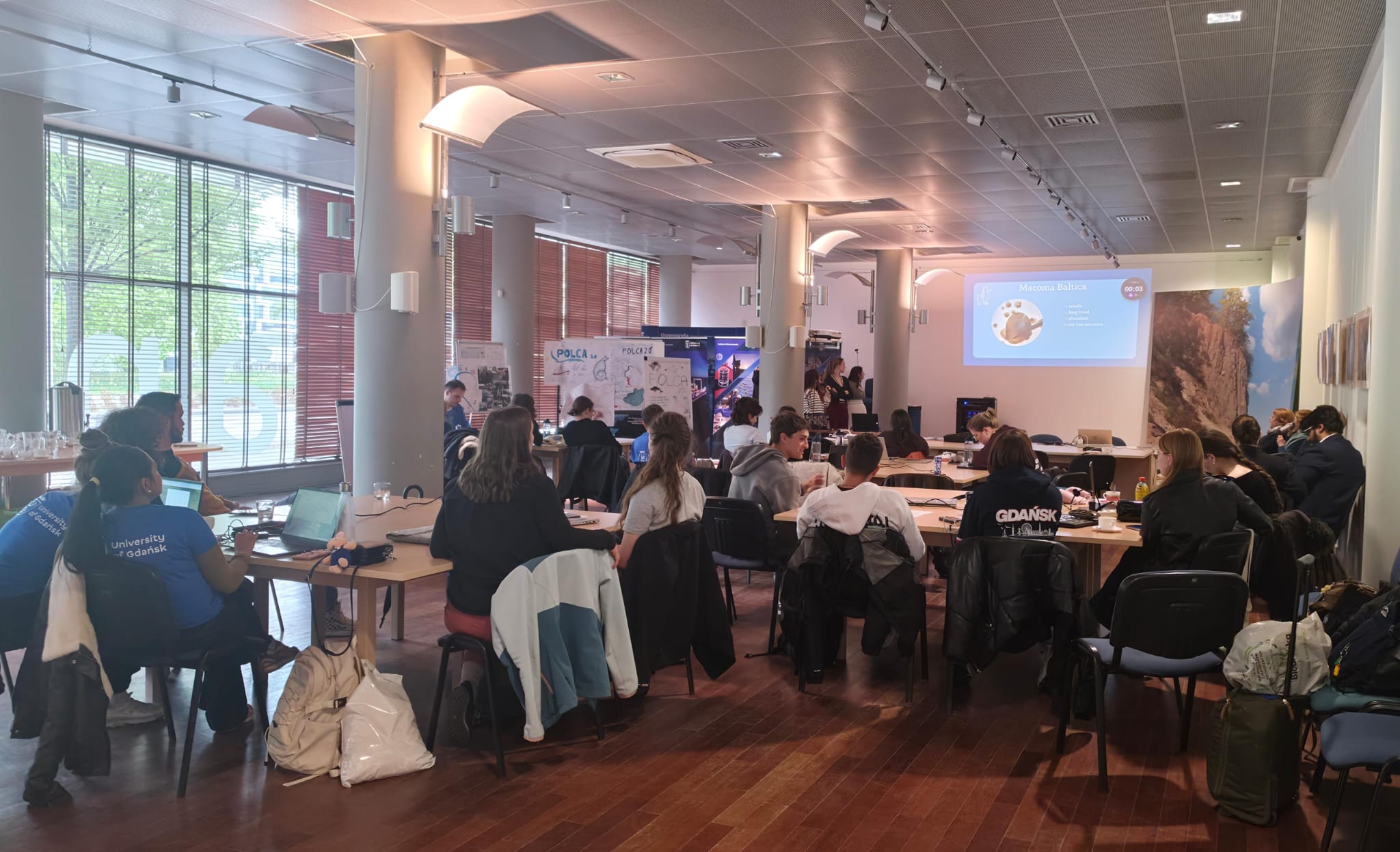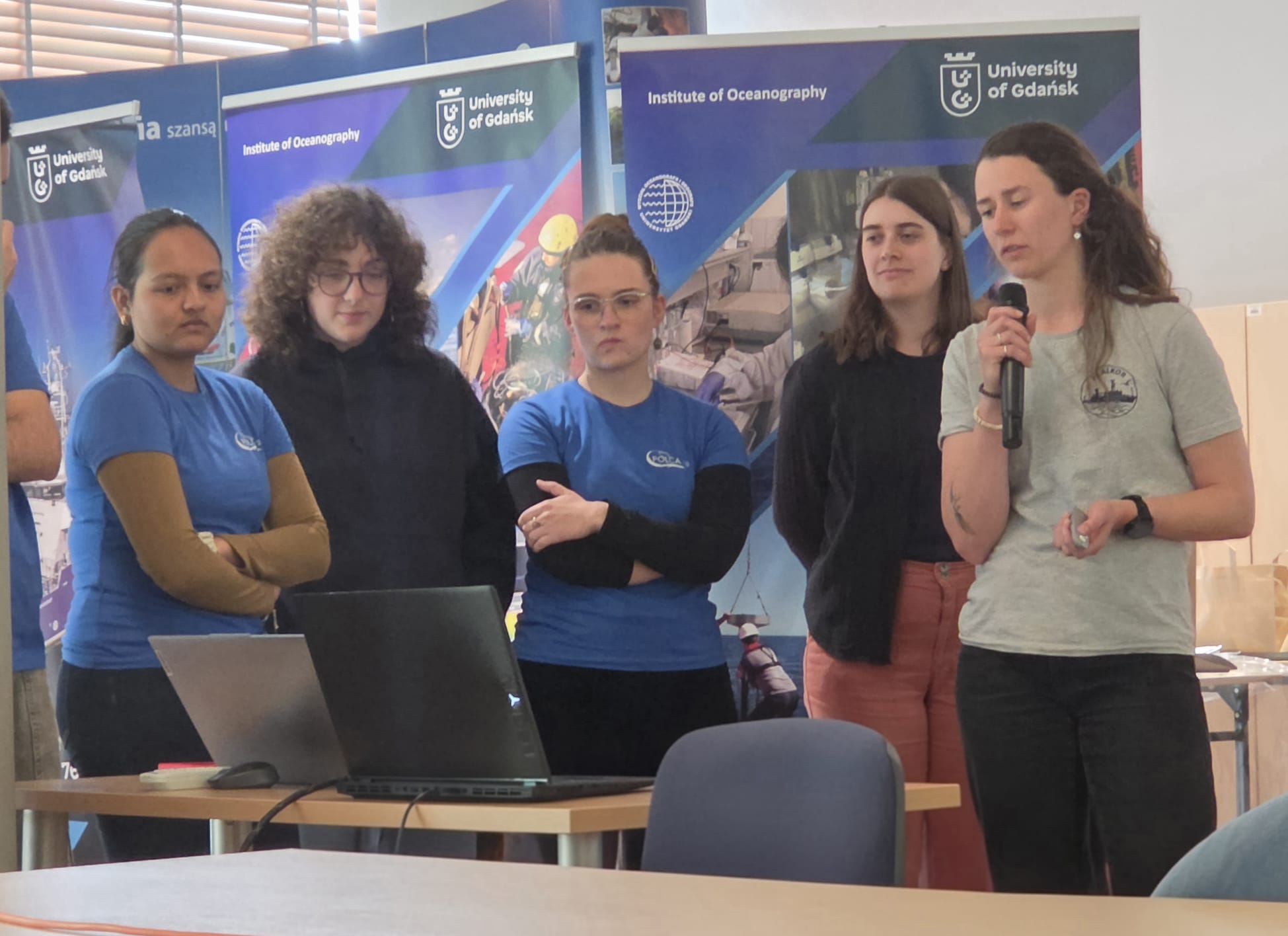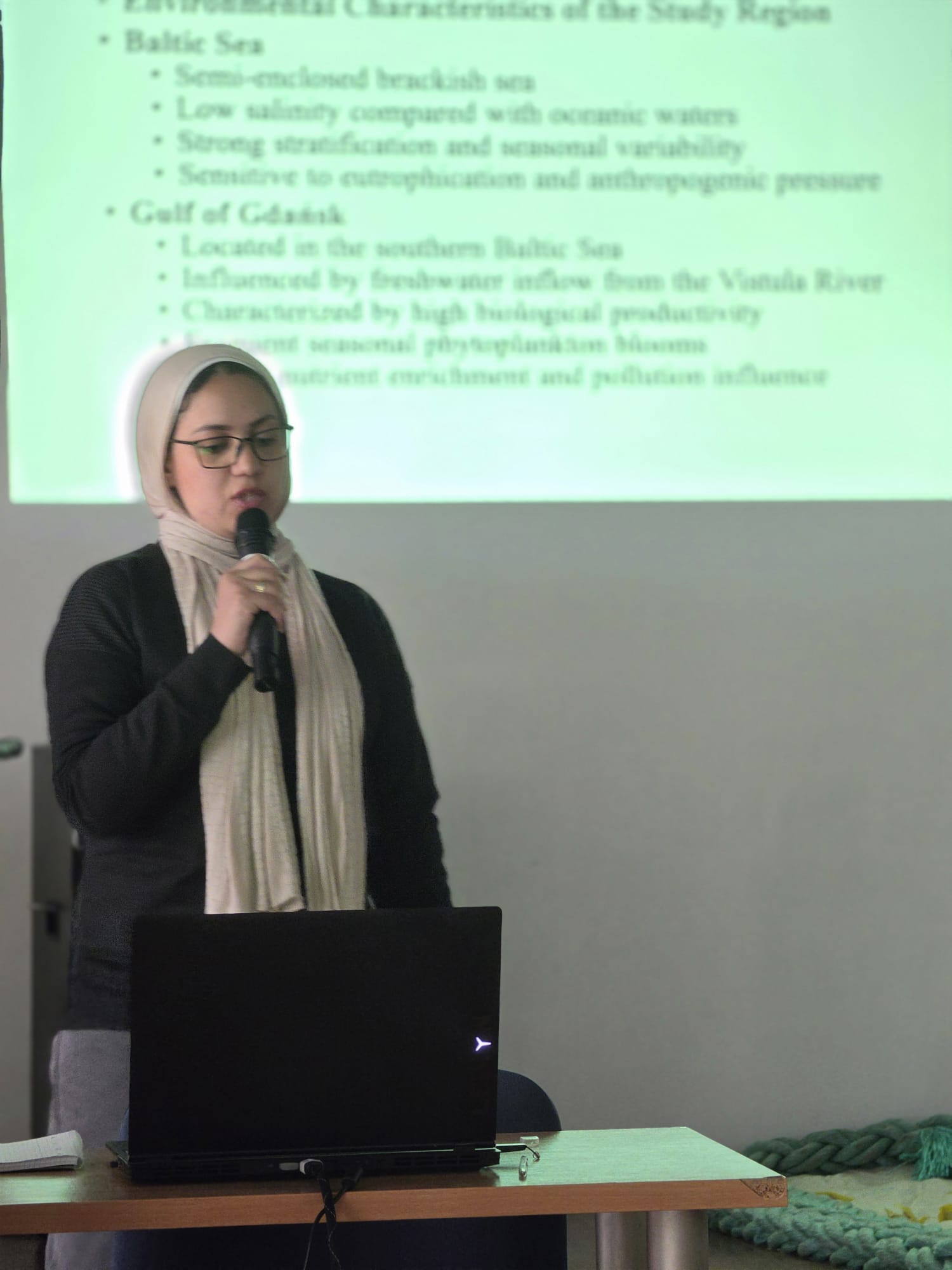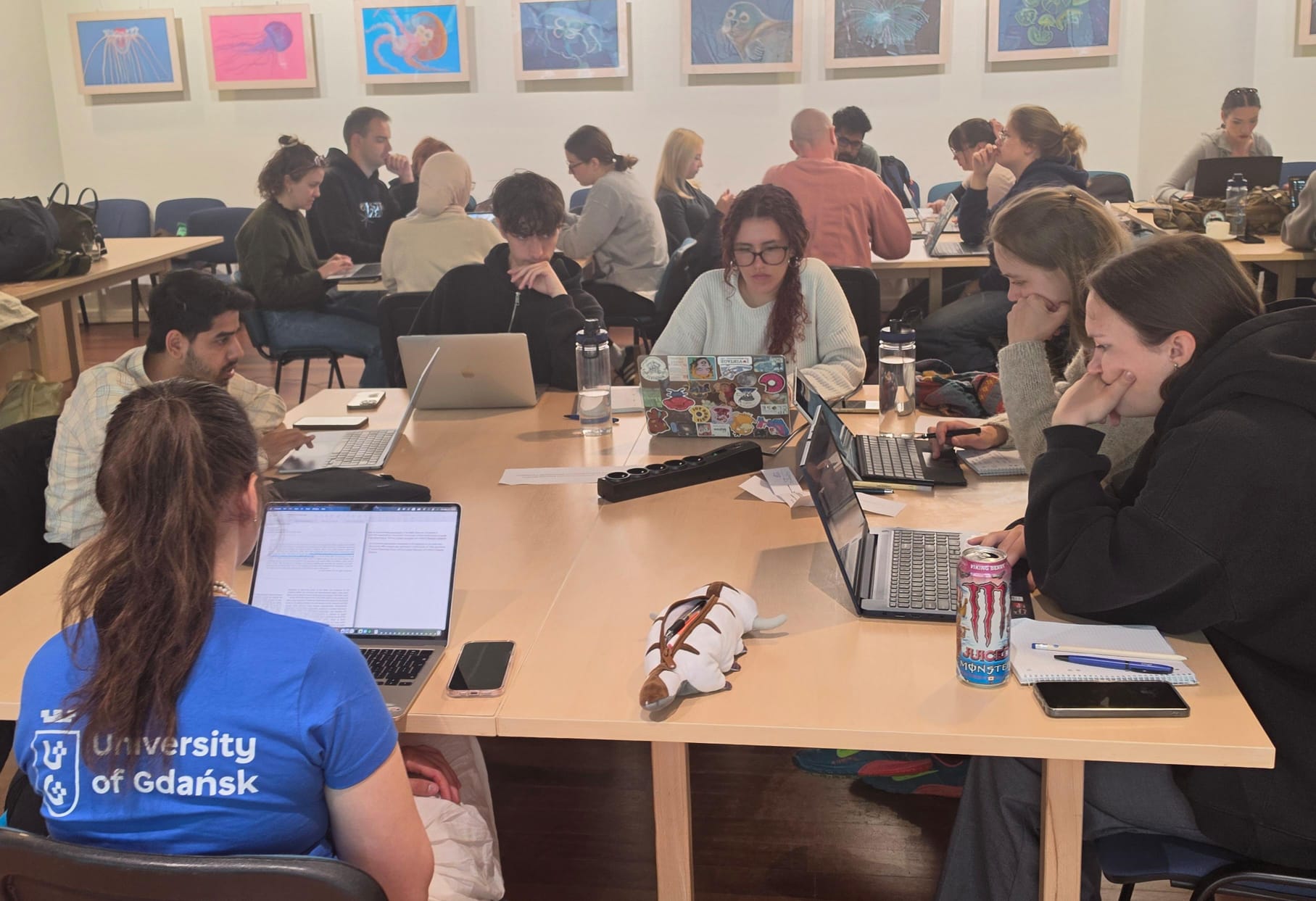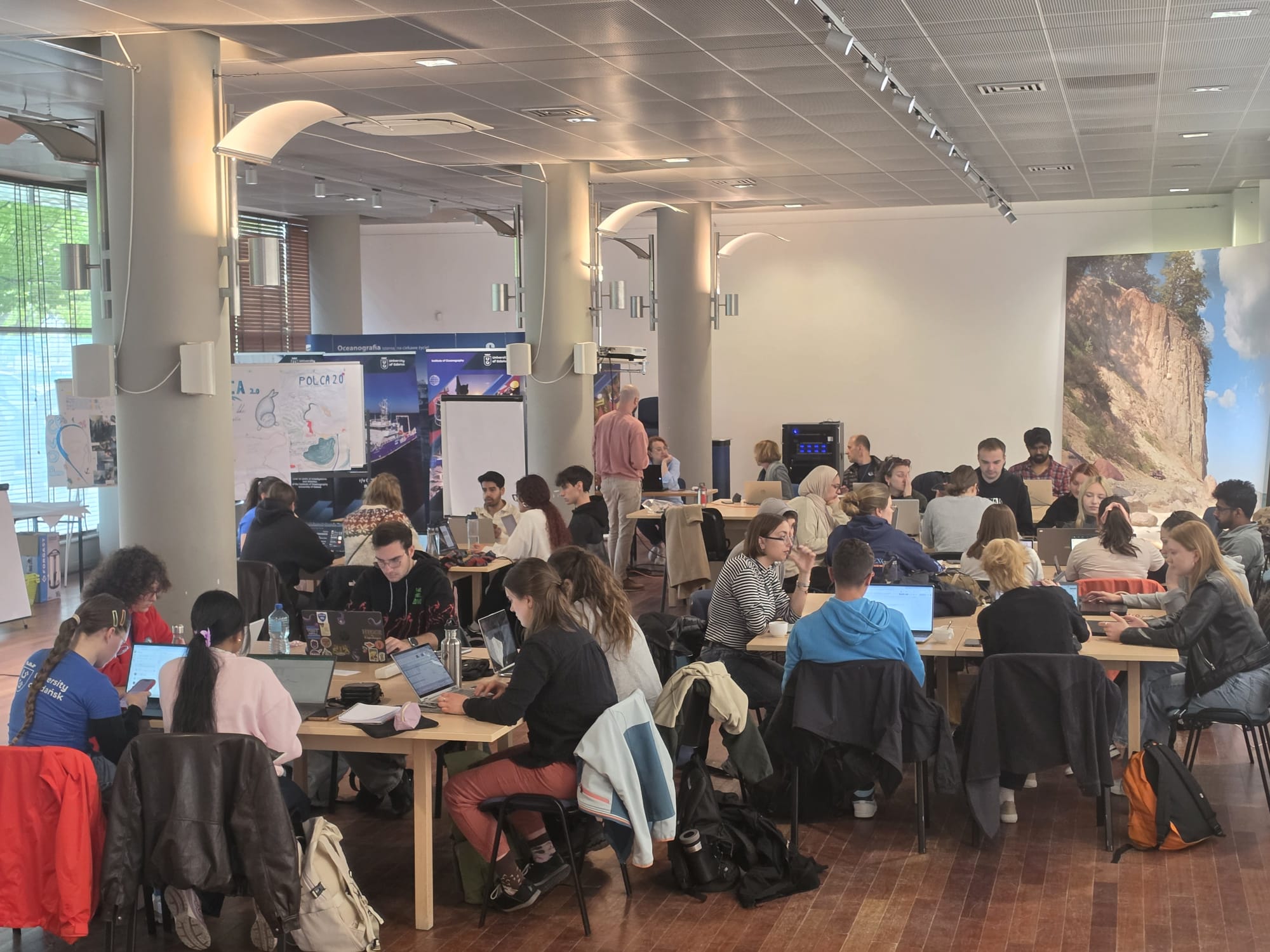

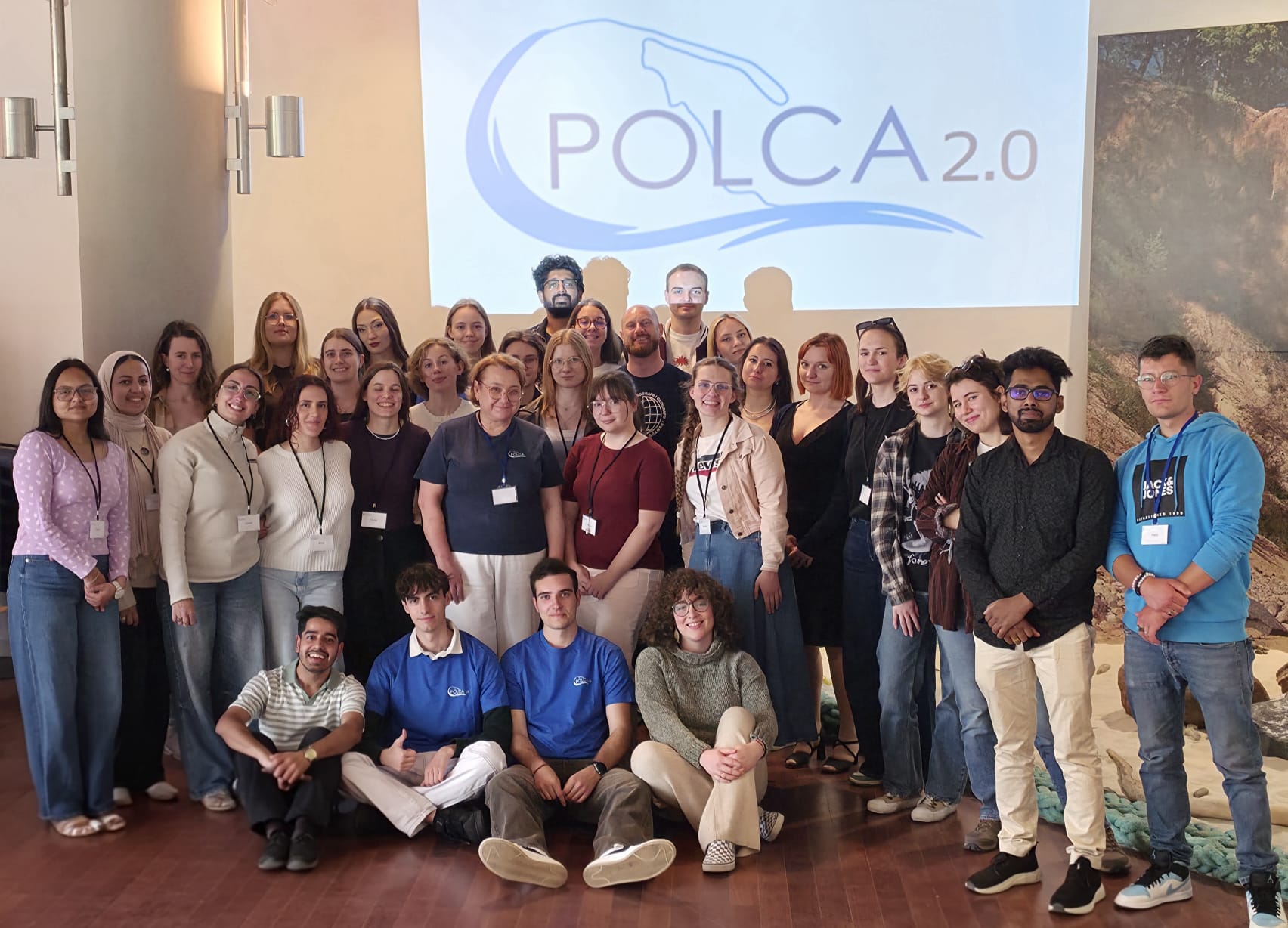
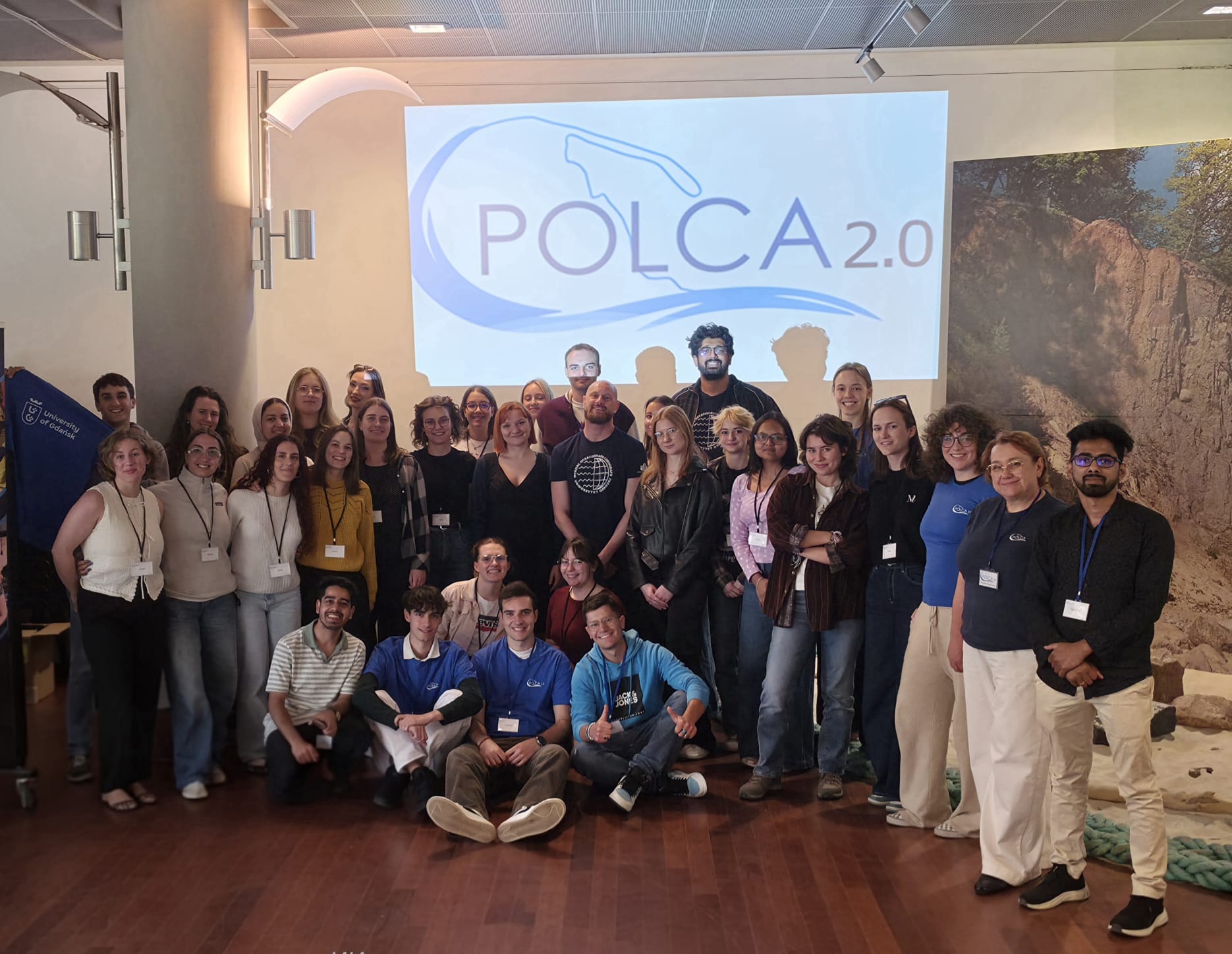
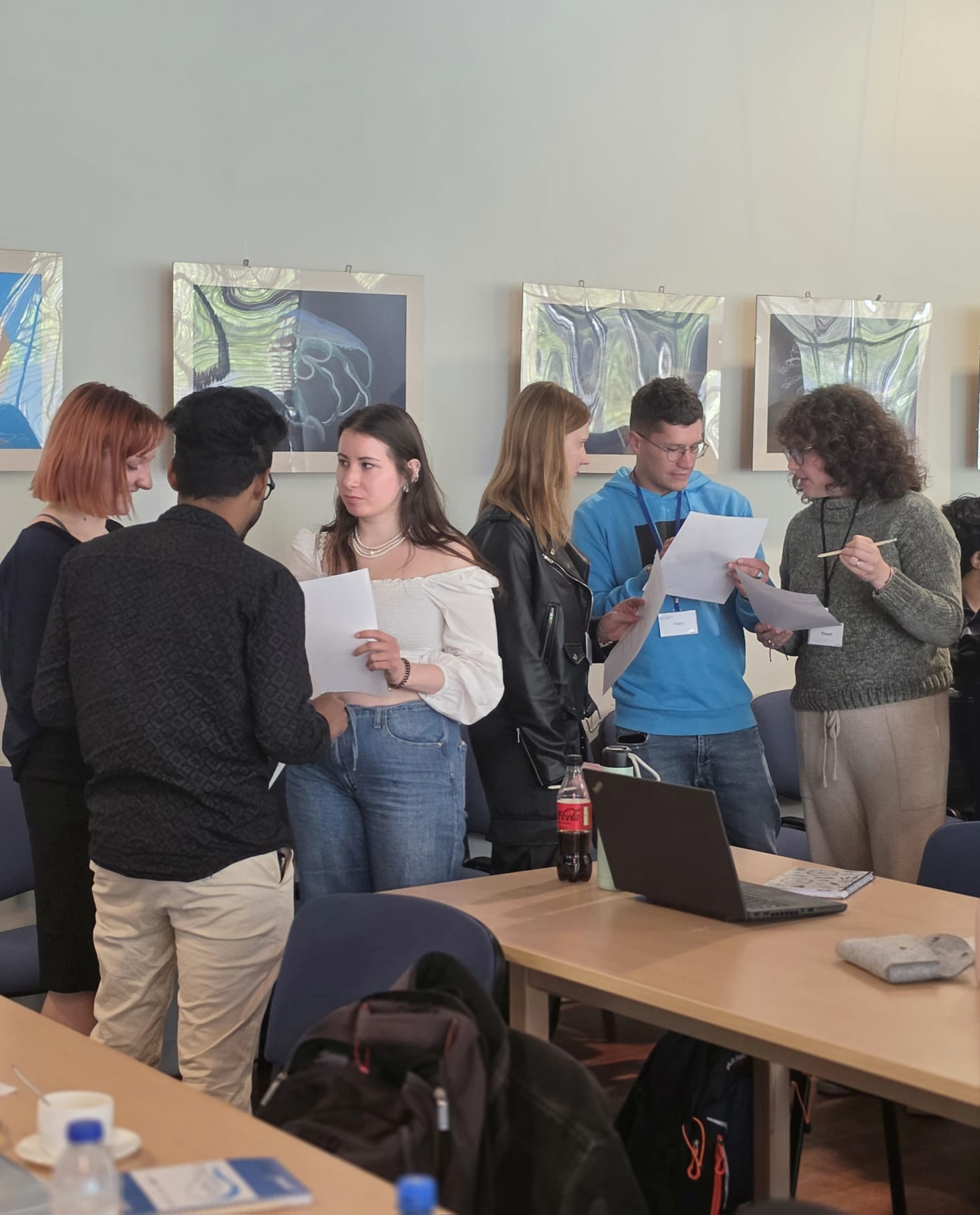
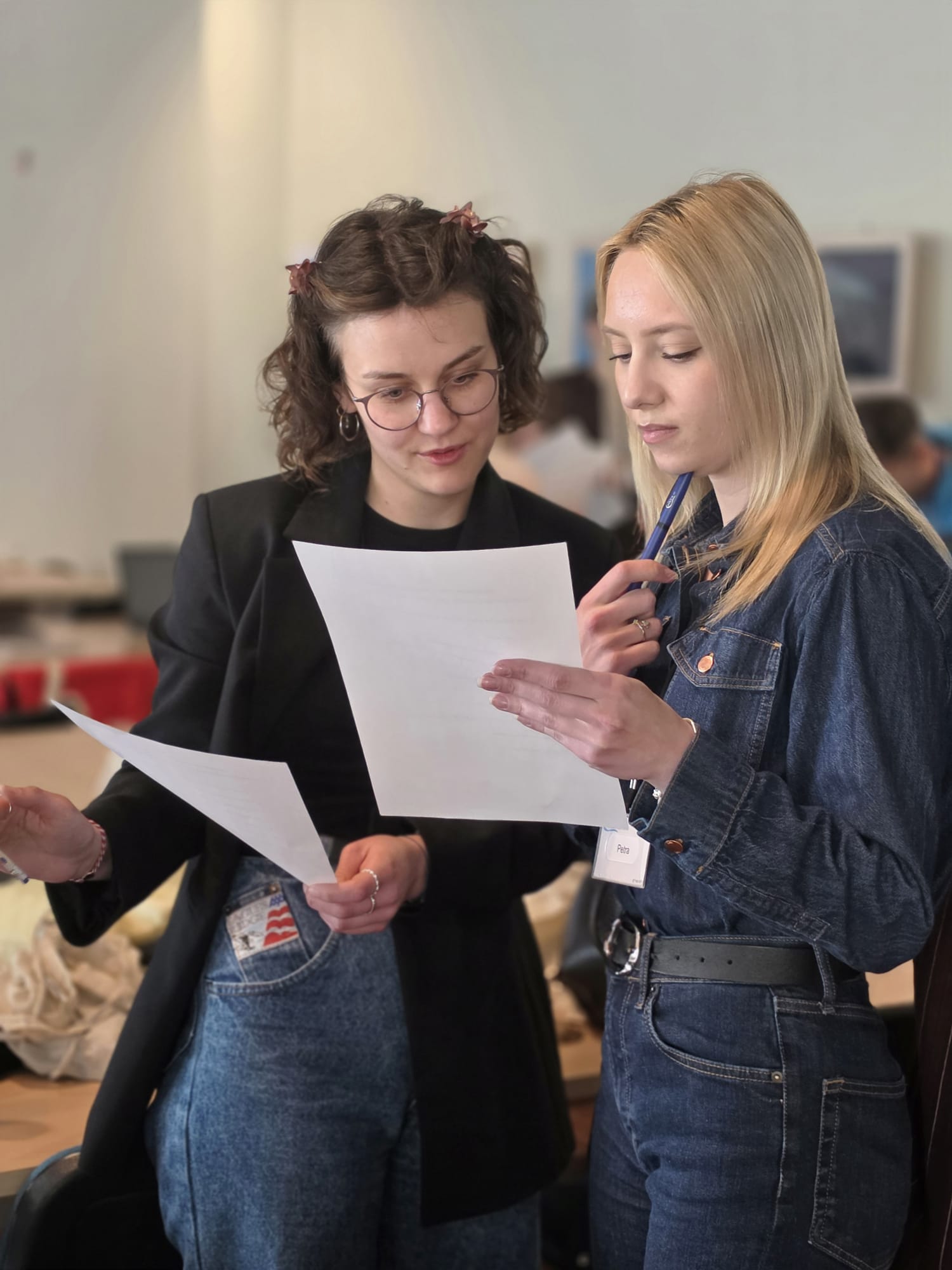
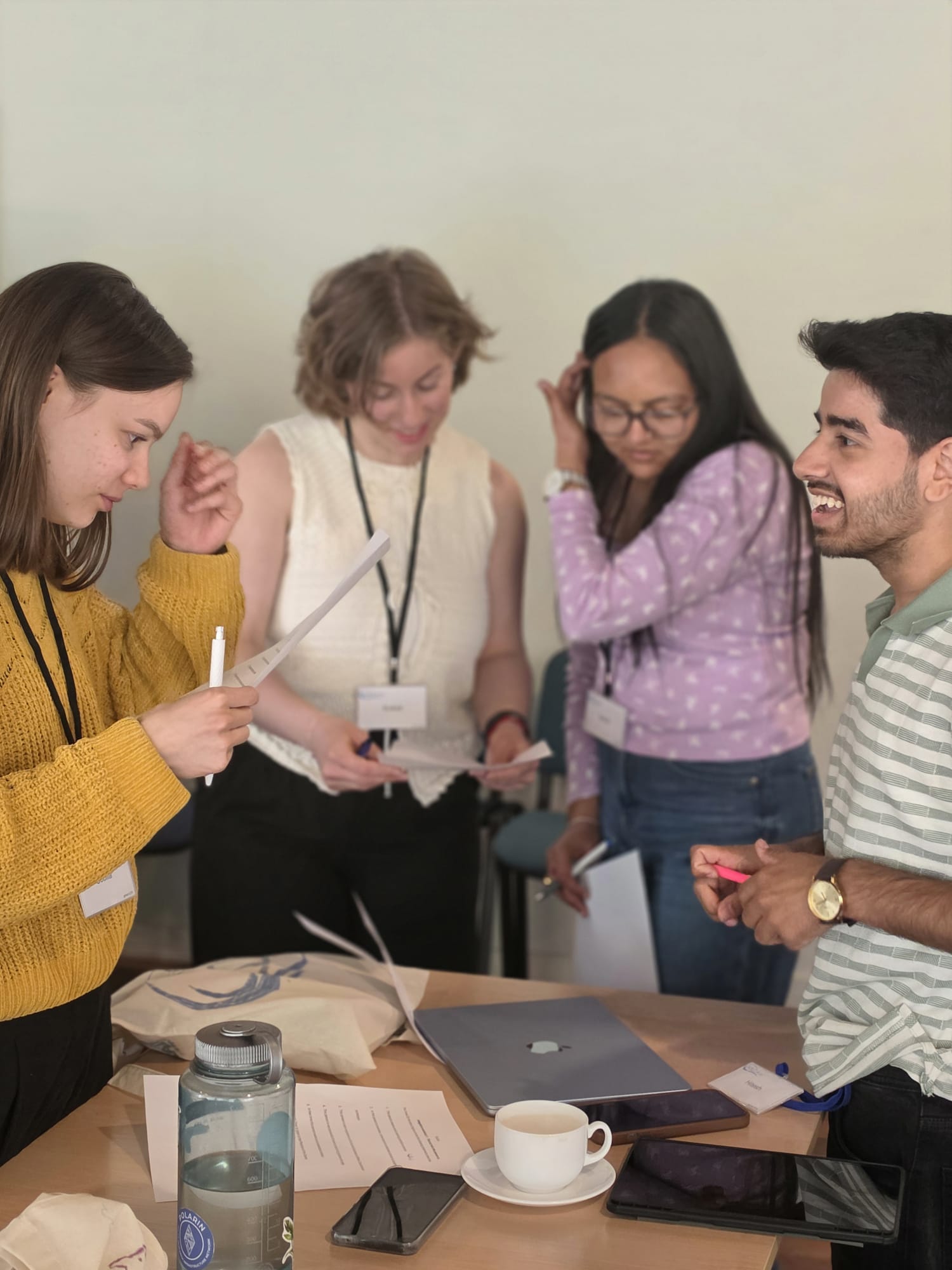
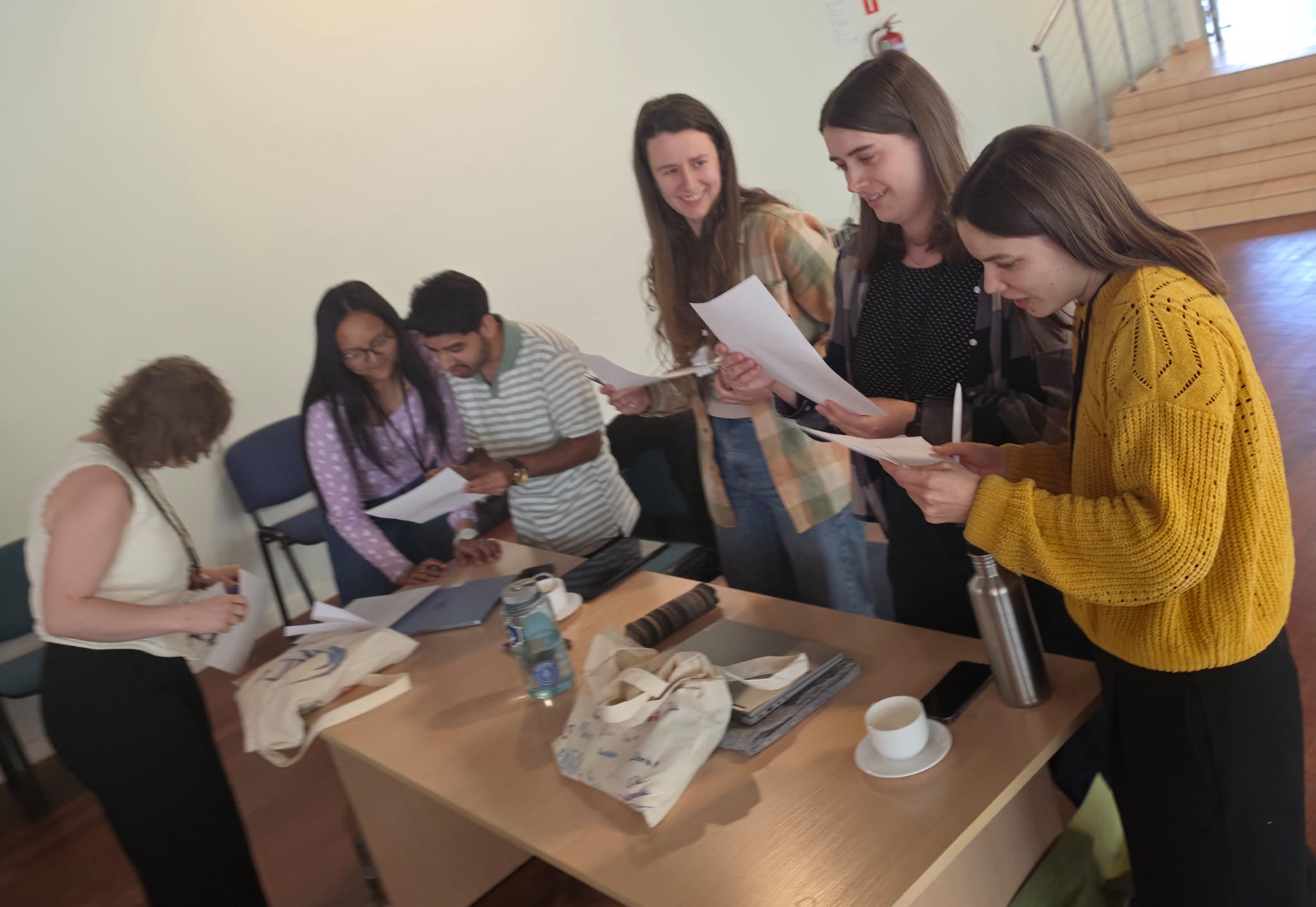
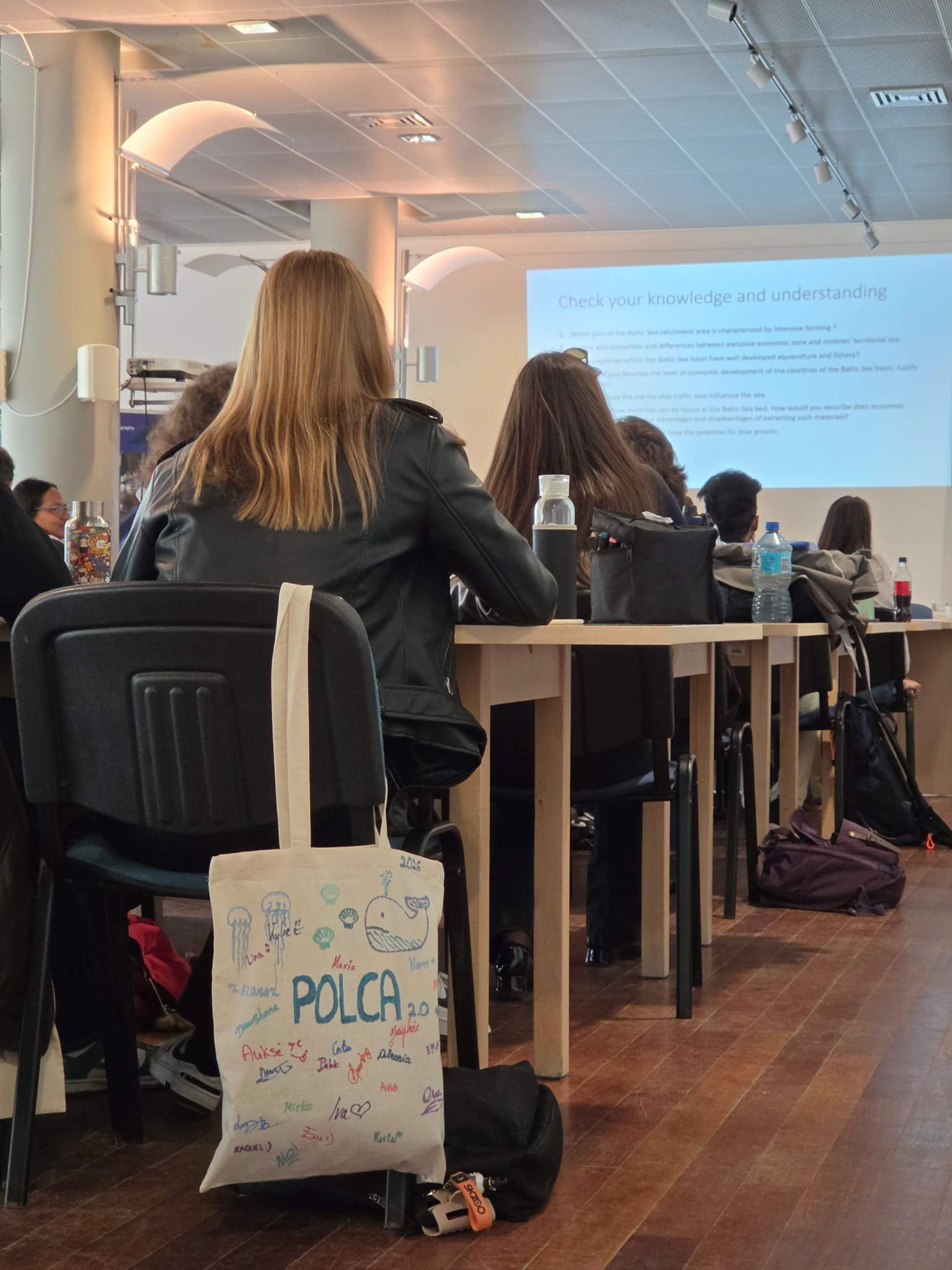
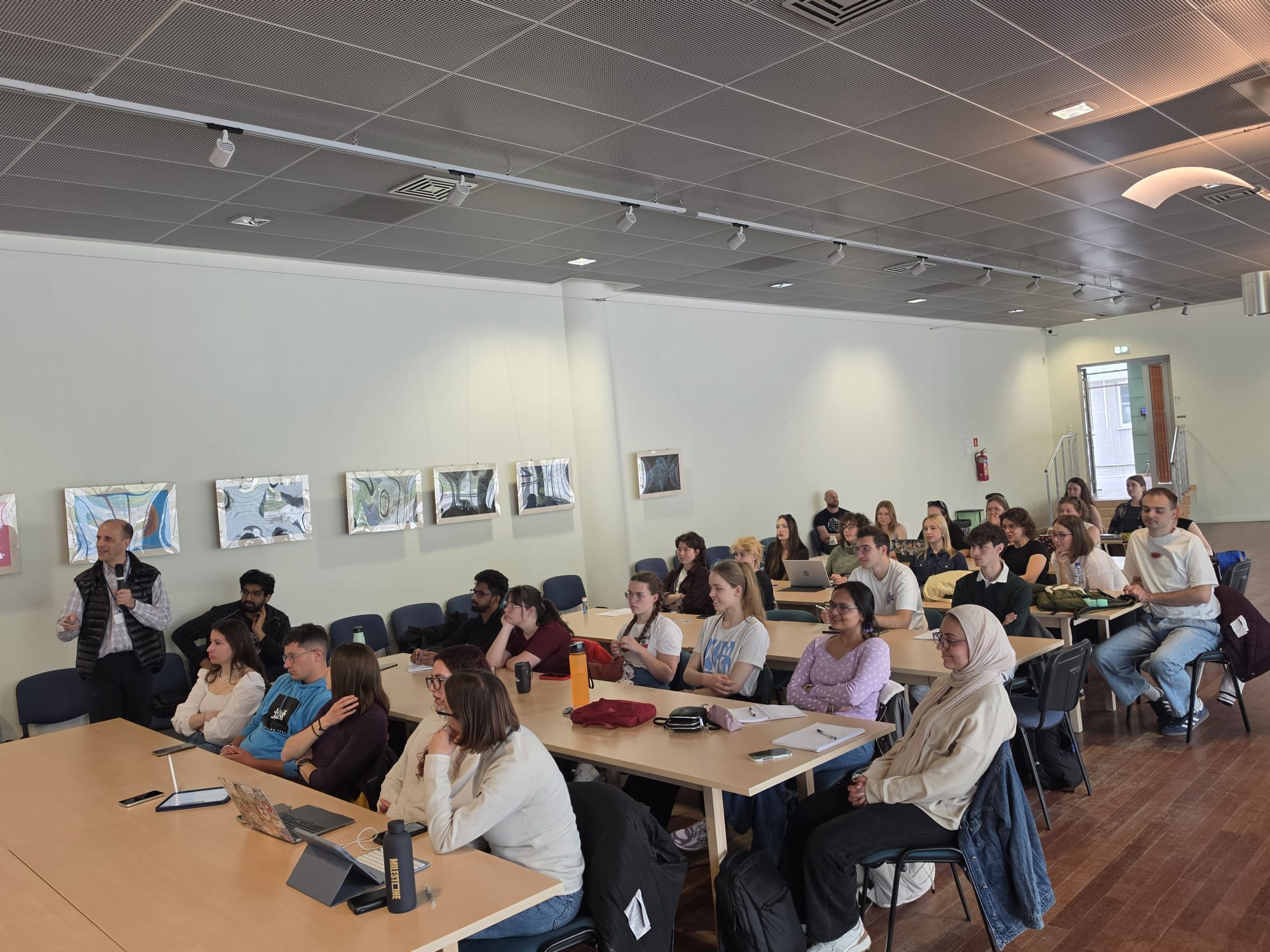
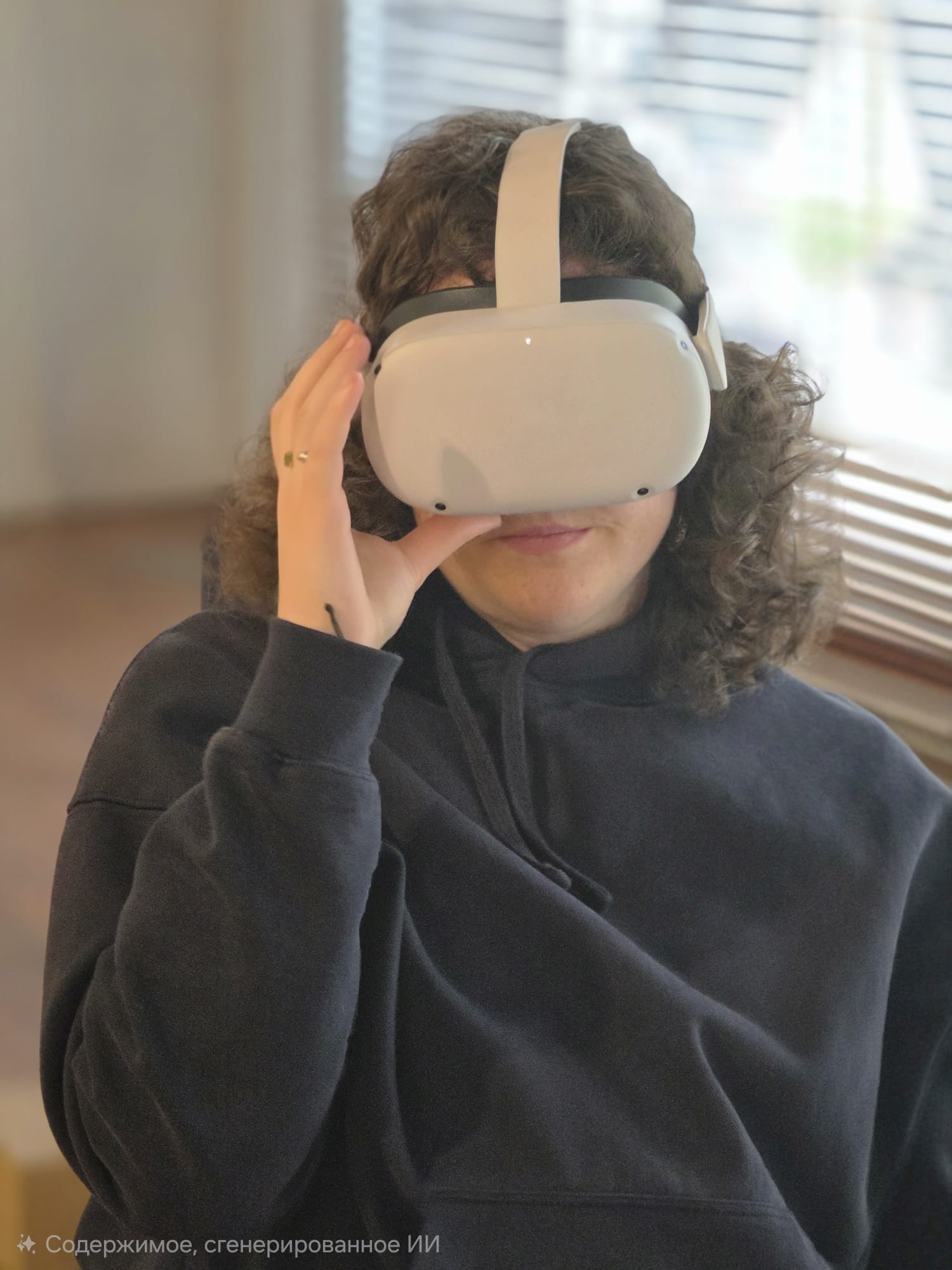
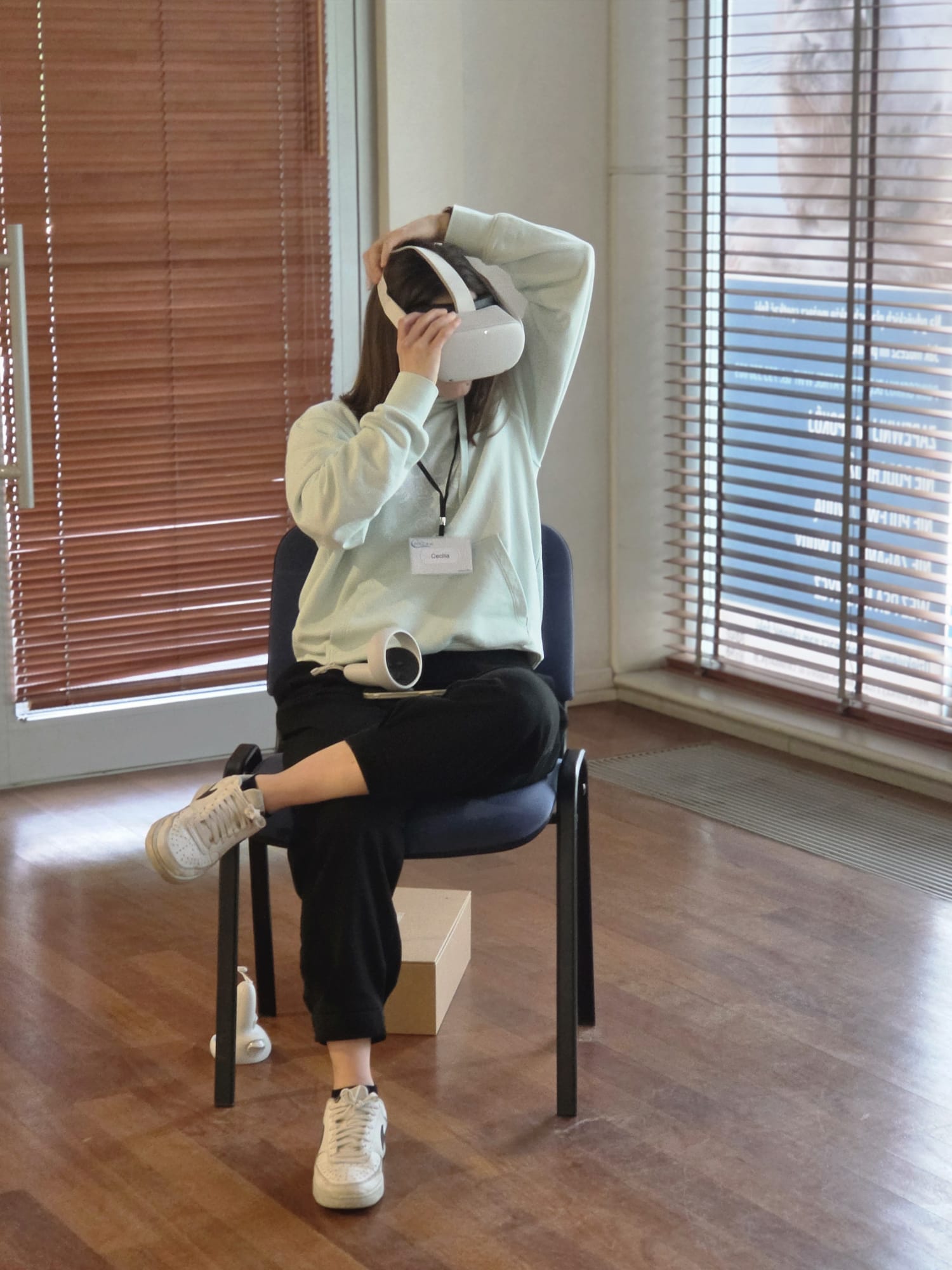
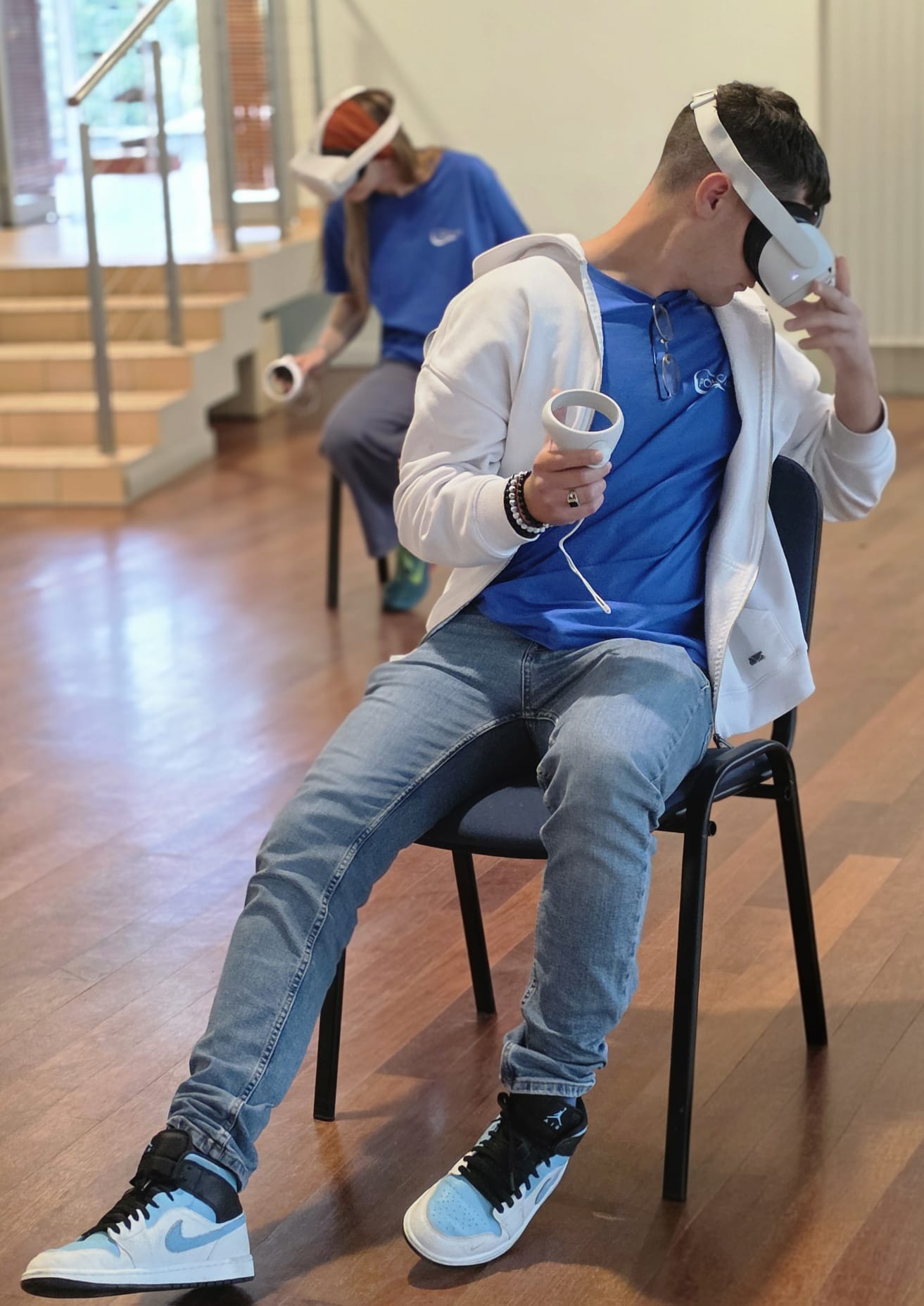
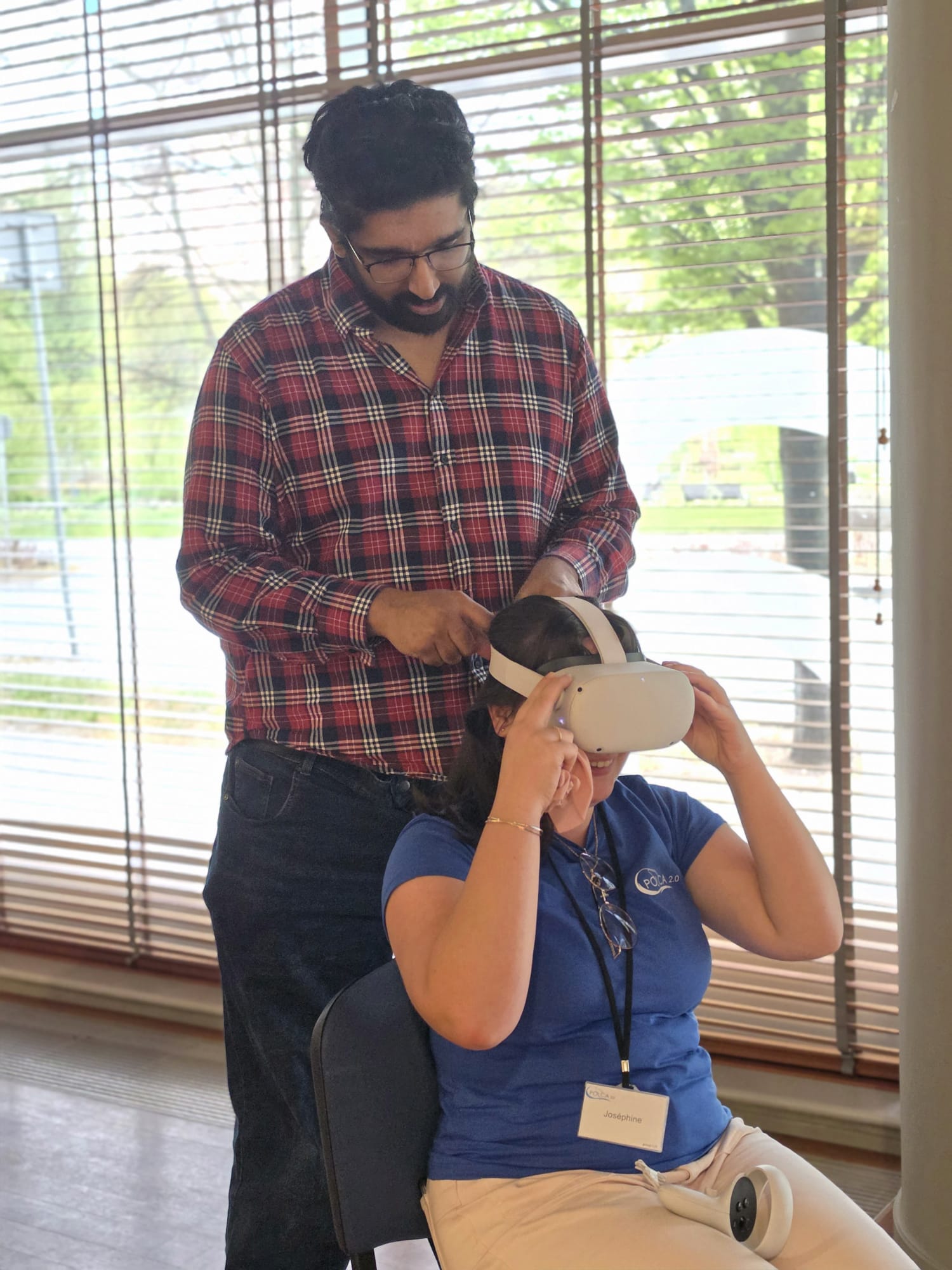
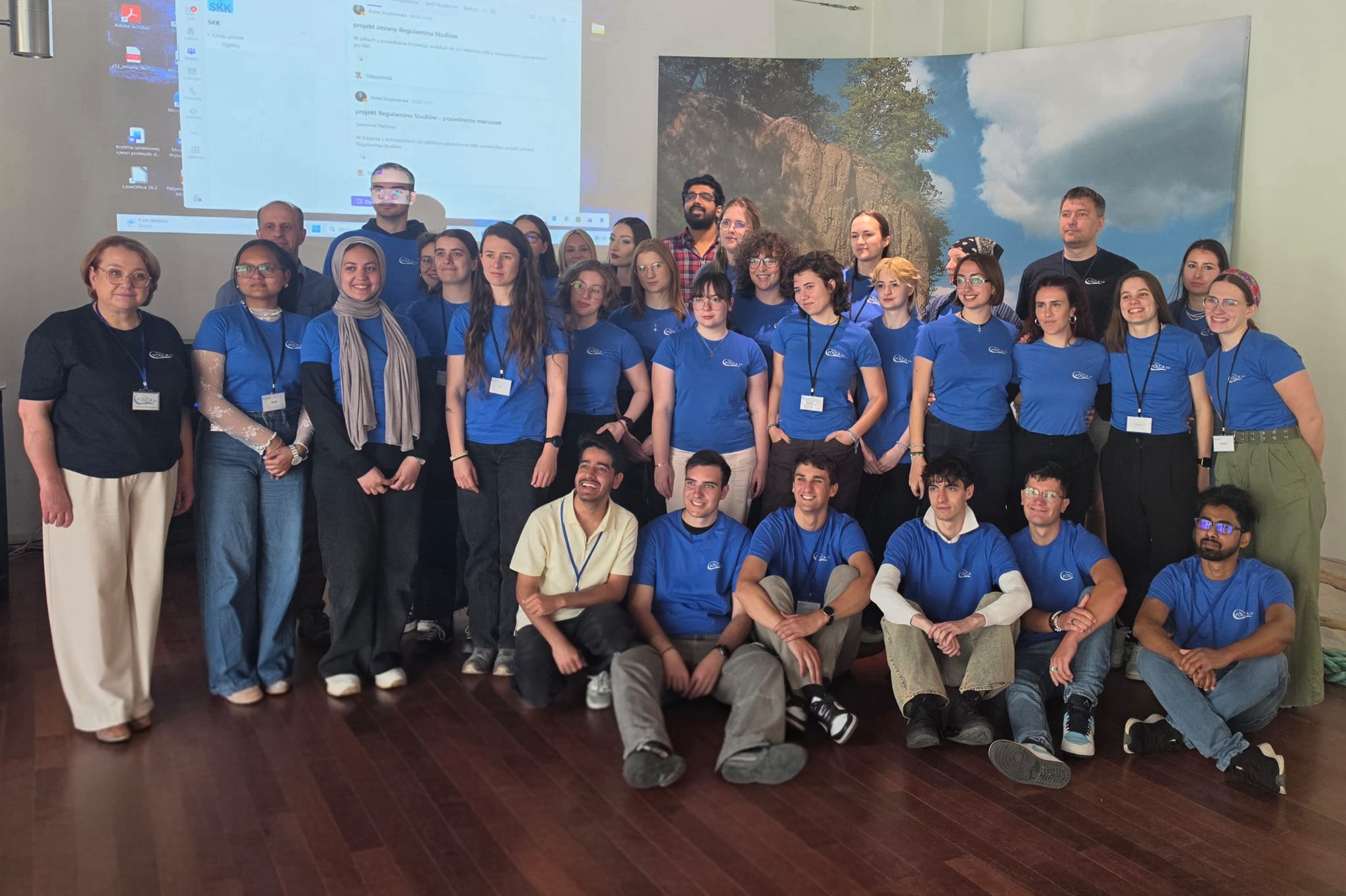
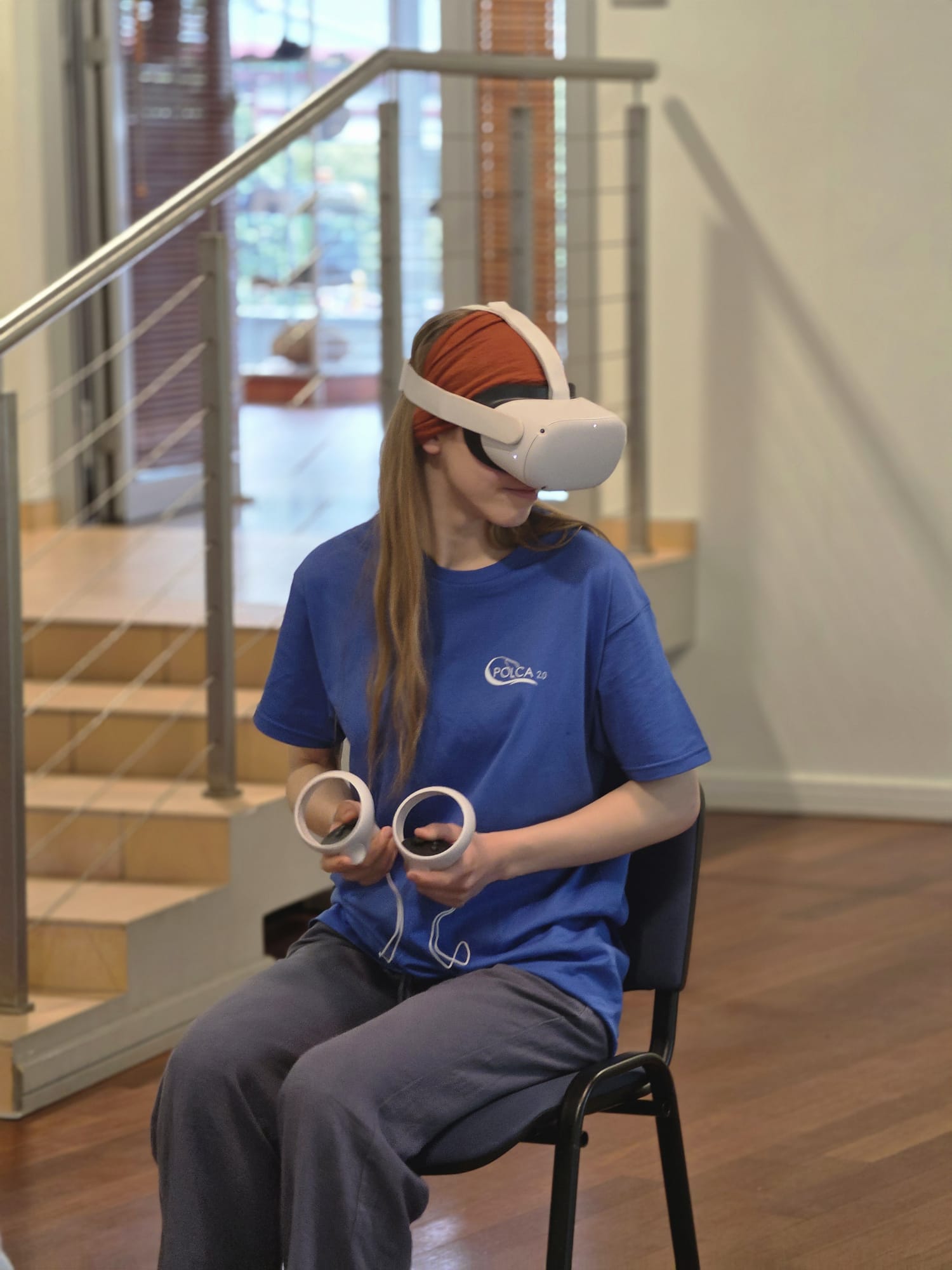
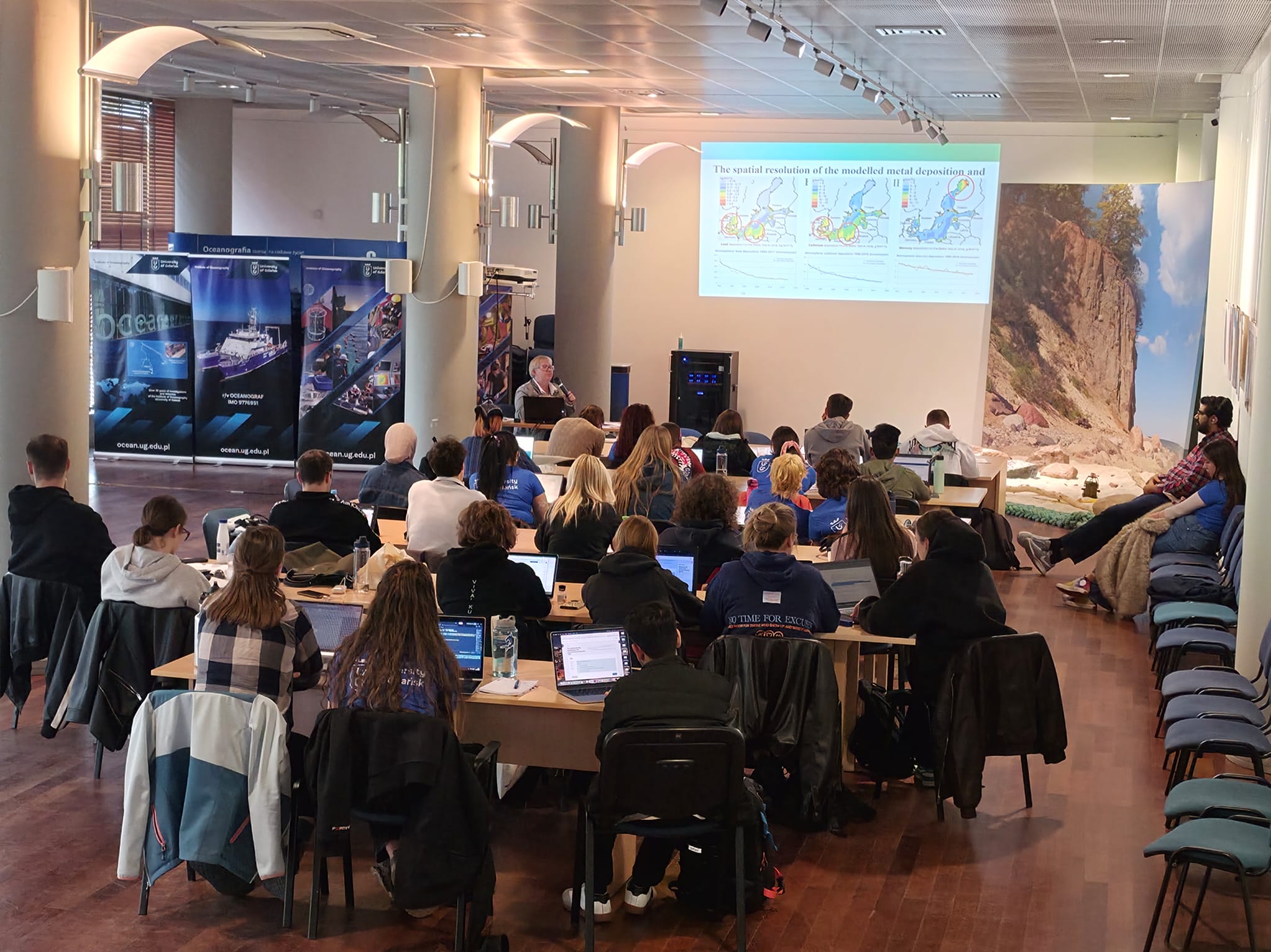
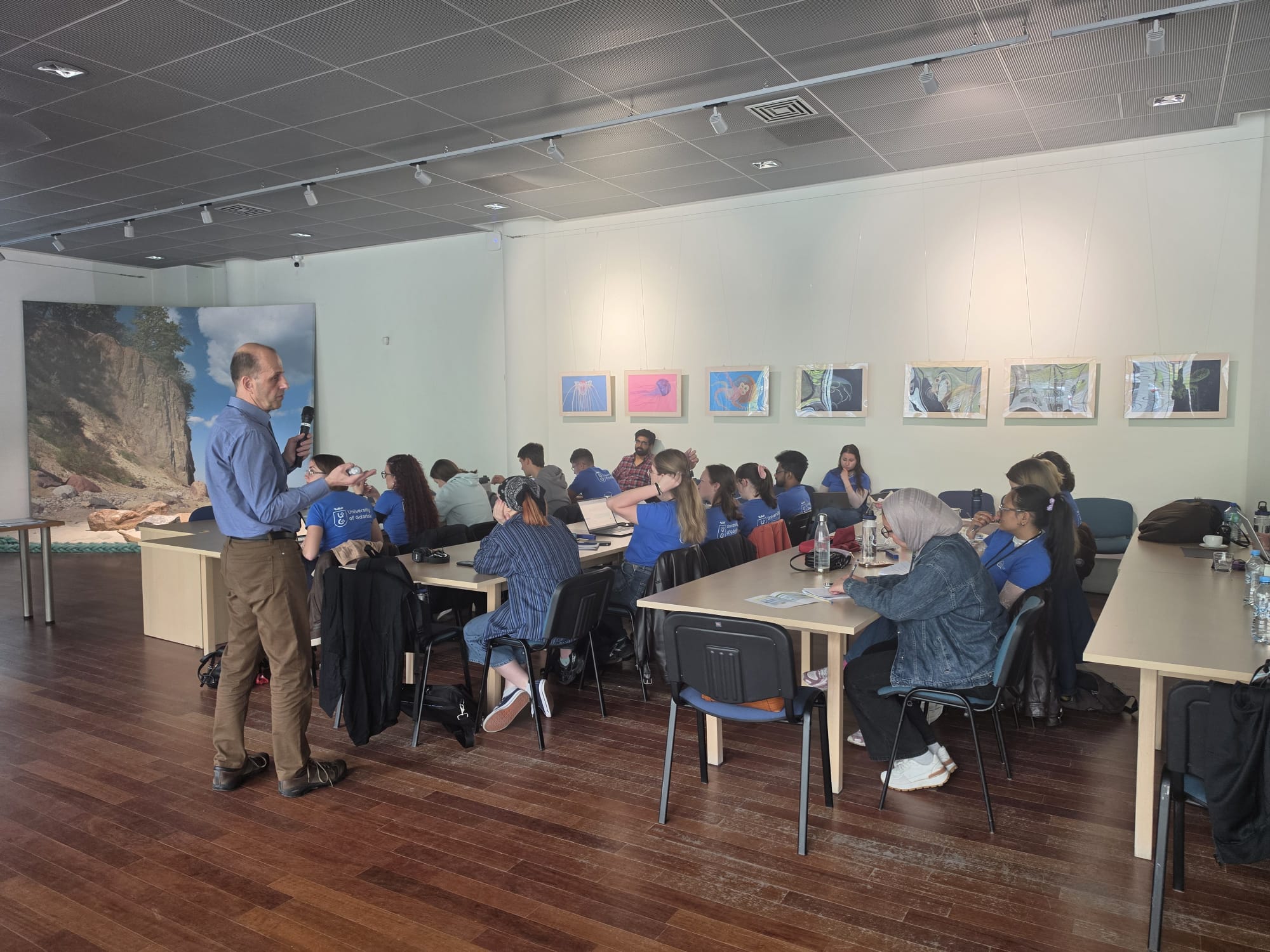
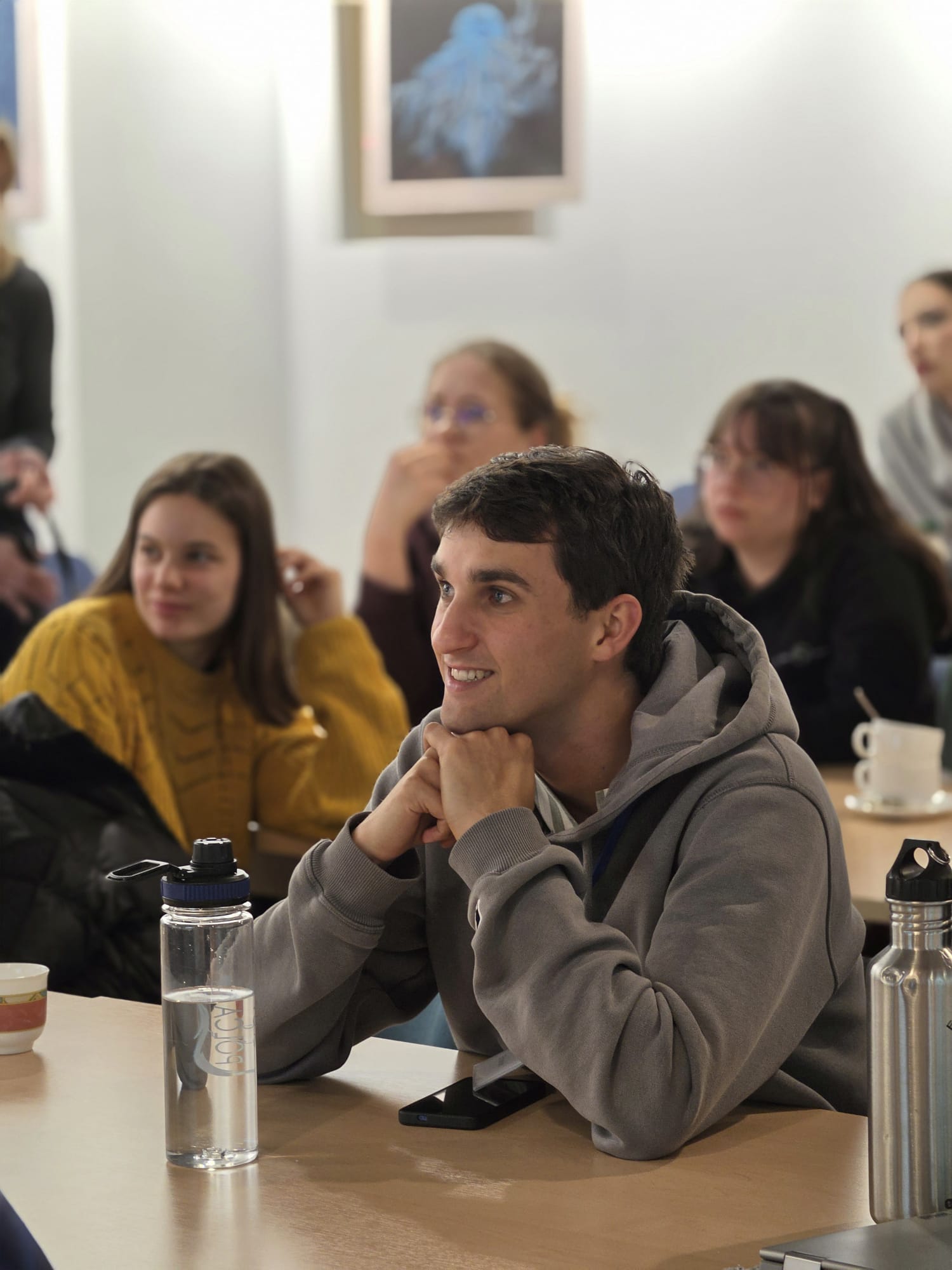
The third day of the International Summer School “Pollution in the Coastal Zone 2.0 (POLCA 2.0)” focused on cooperation, creativity, and integration among participants from different countries.
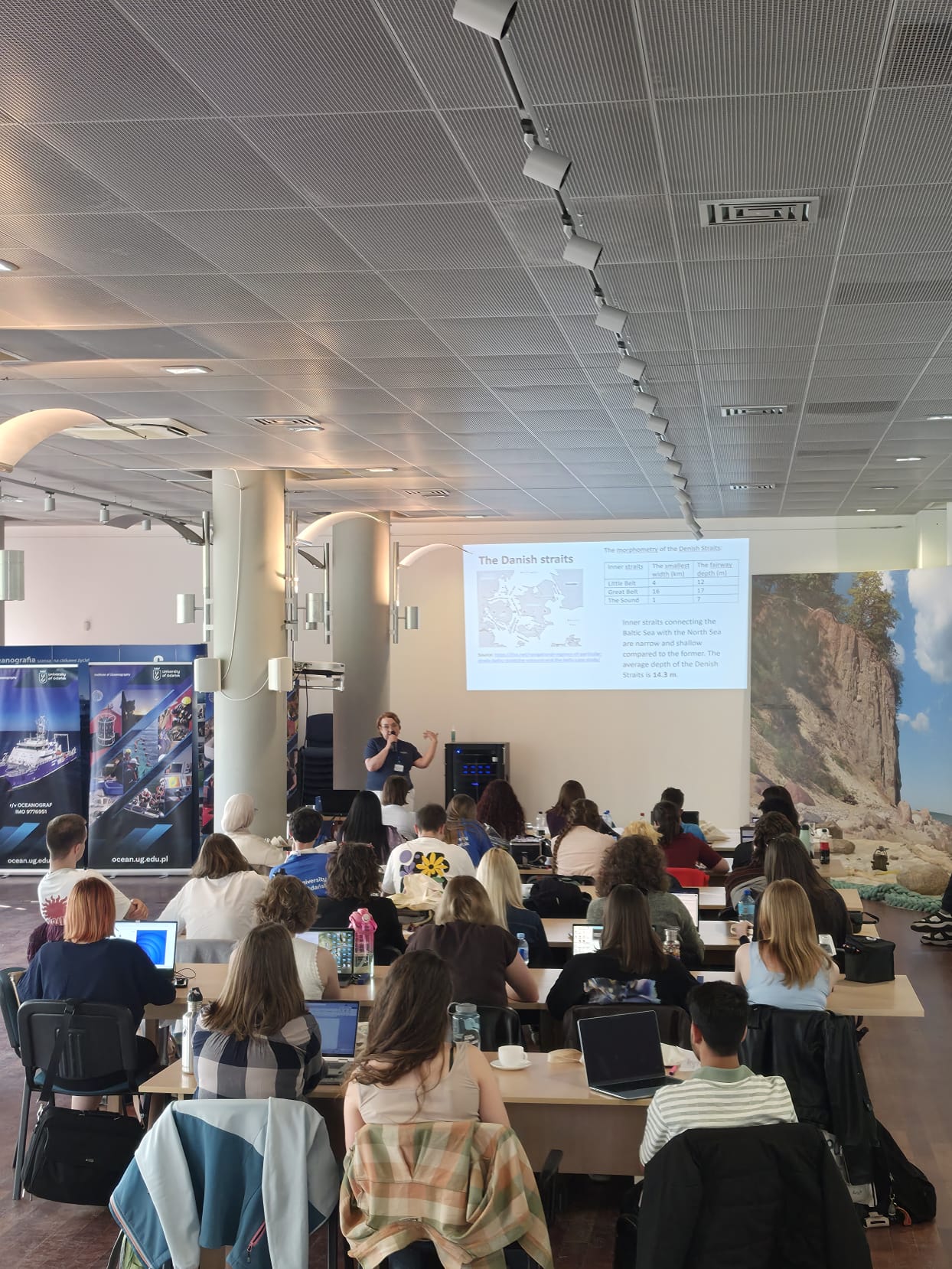
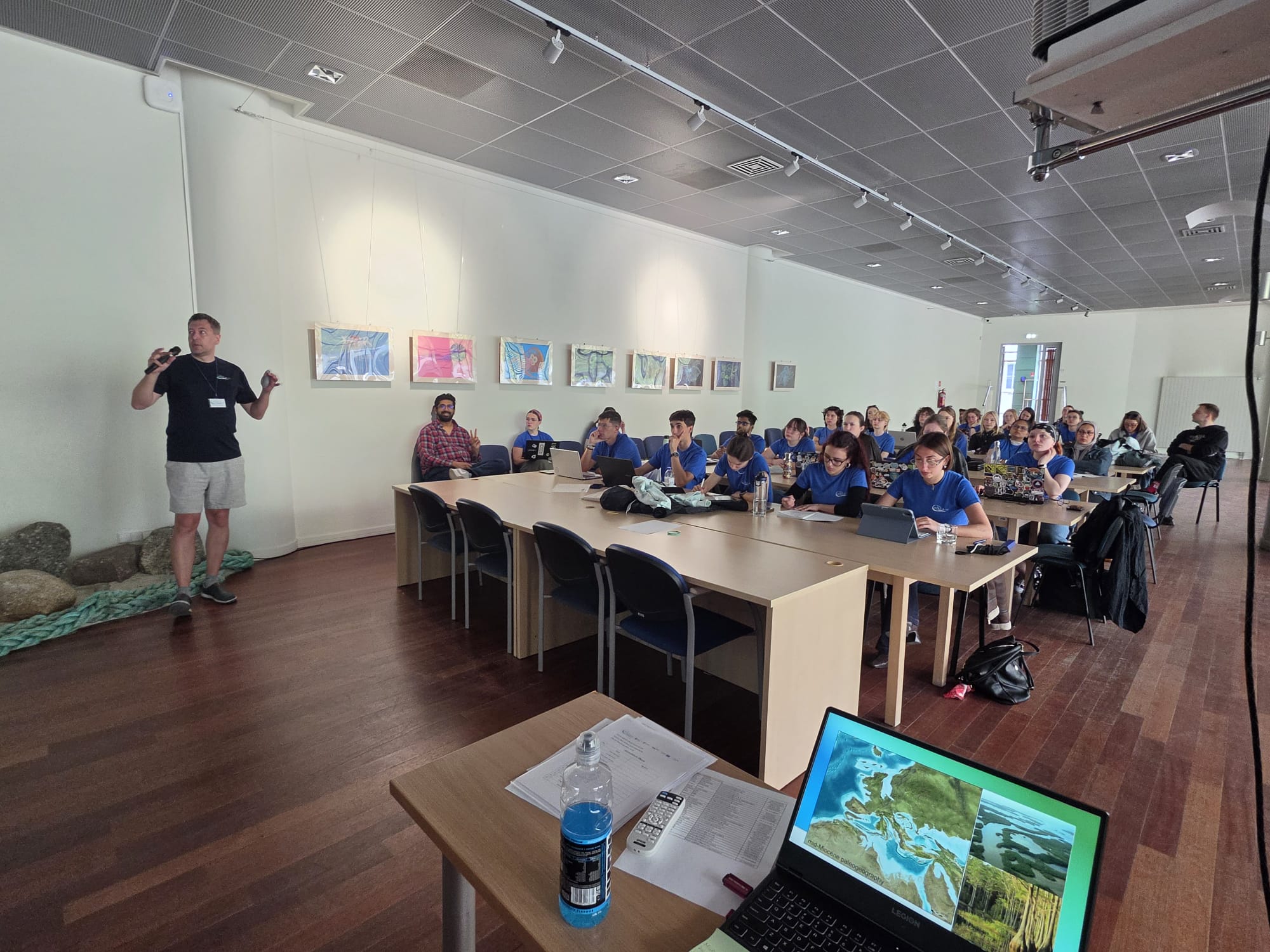
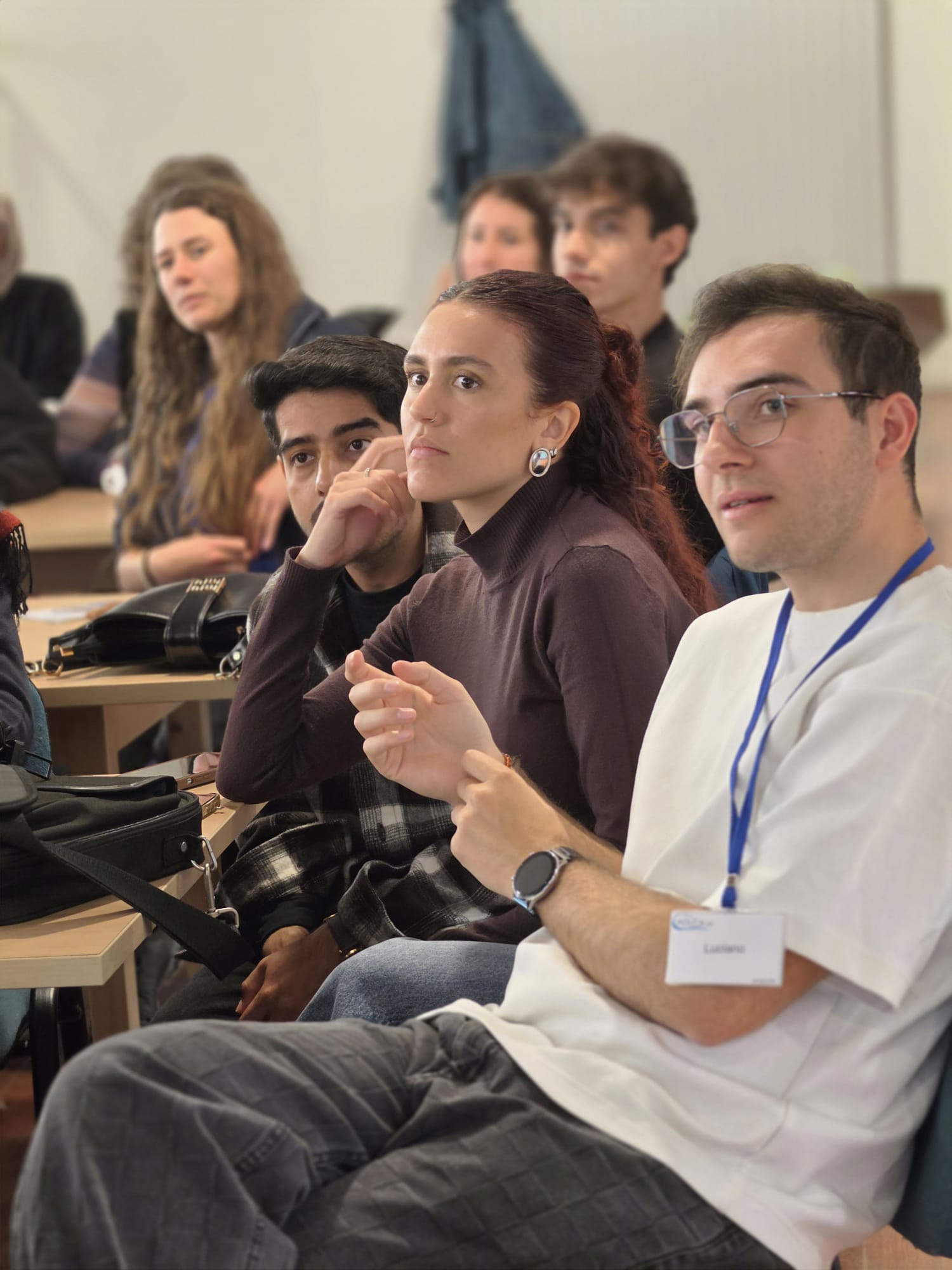
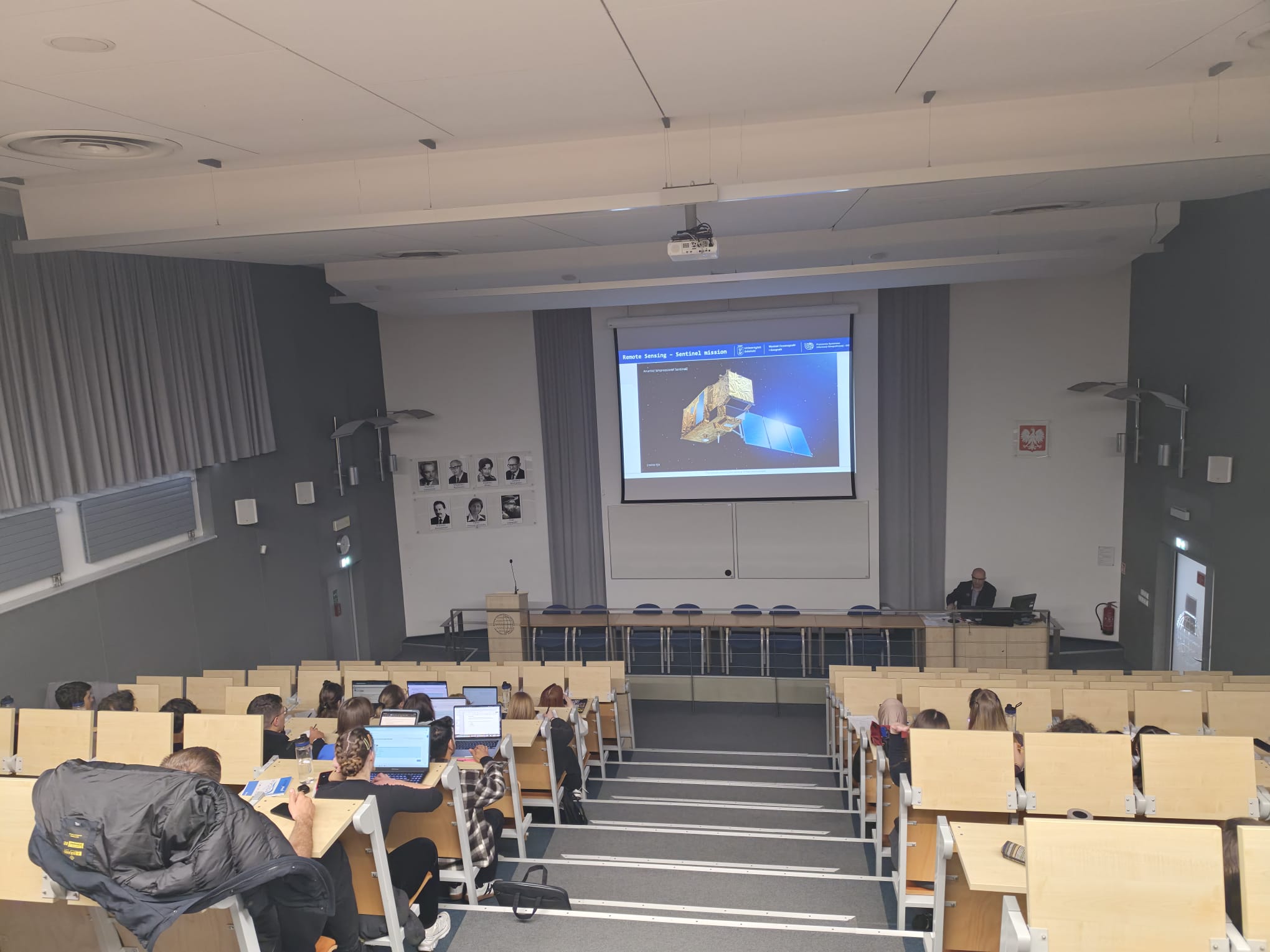
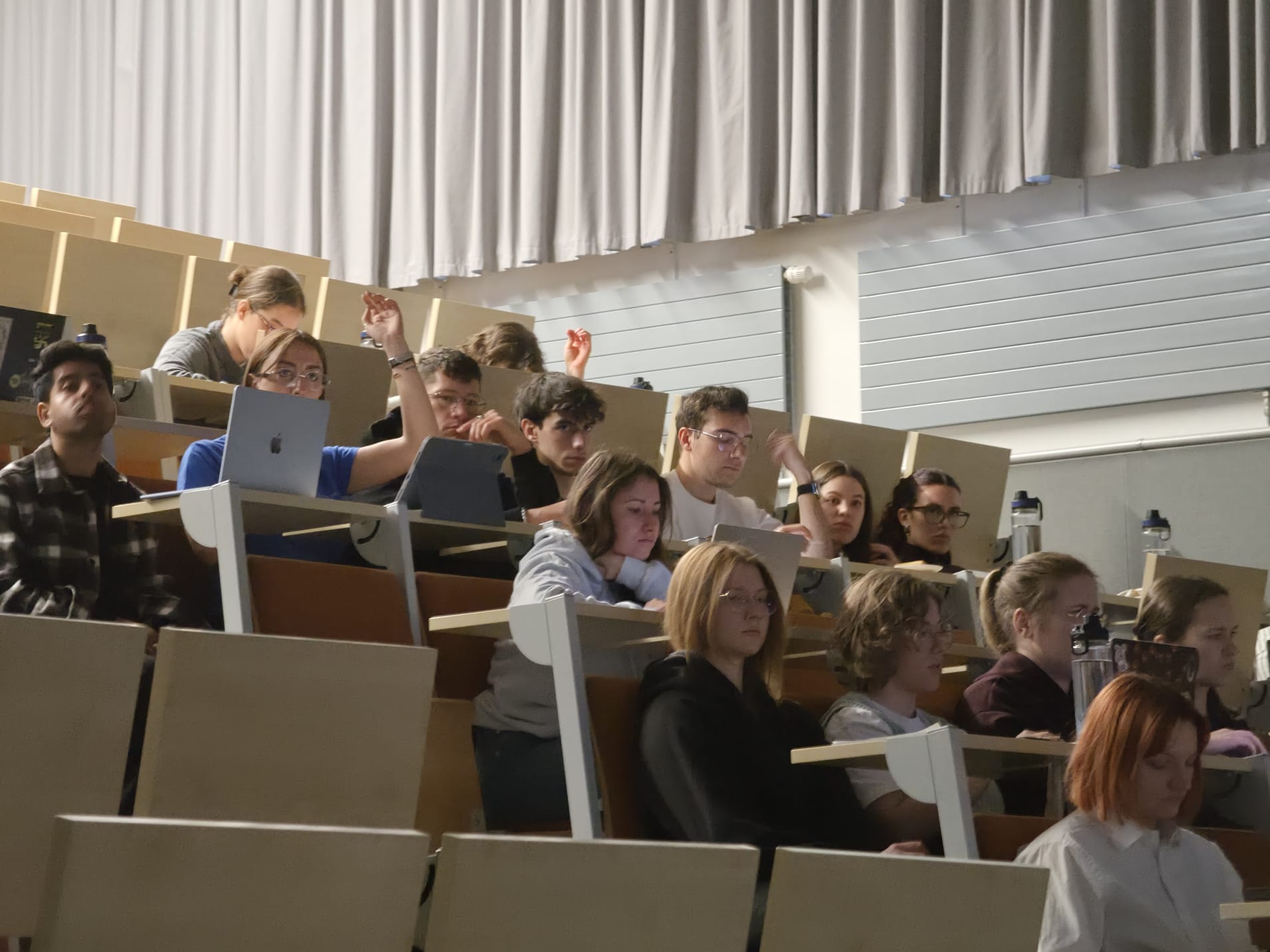
The academic part of the day included the lecture “Remote Sensing Environmental Monitoring” delivered by Dr Maciej Markowski. Participants had the opportunity to learn about the use of remote sensing and modern technologies in environmental monitoring and the observation of changes occurring in marine ecosystems.
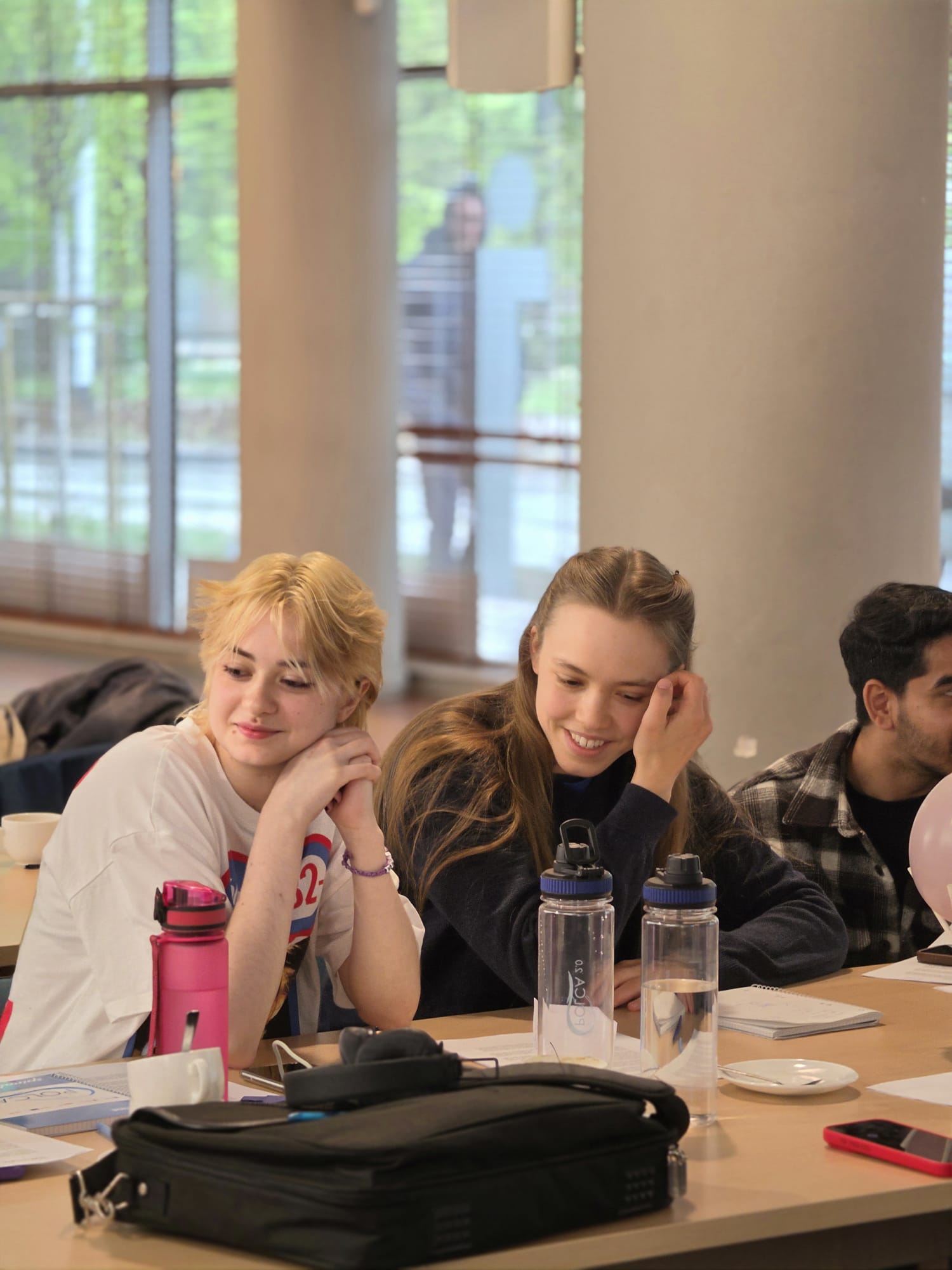
An important part of the programme was also the division into project groups, in which participants will work together on tasks related to the Summer School topics.
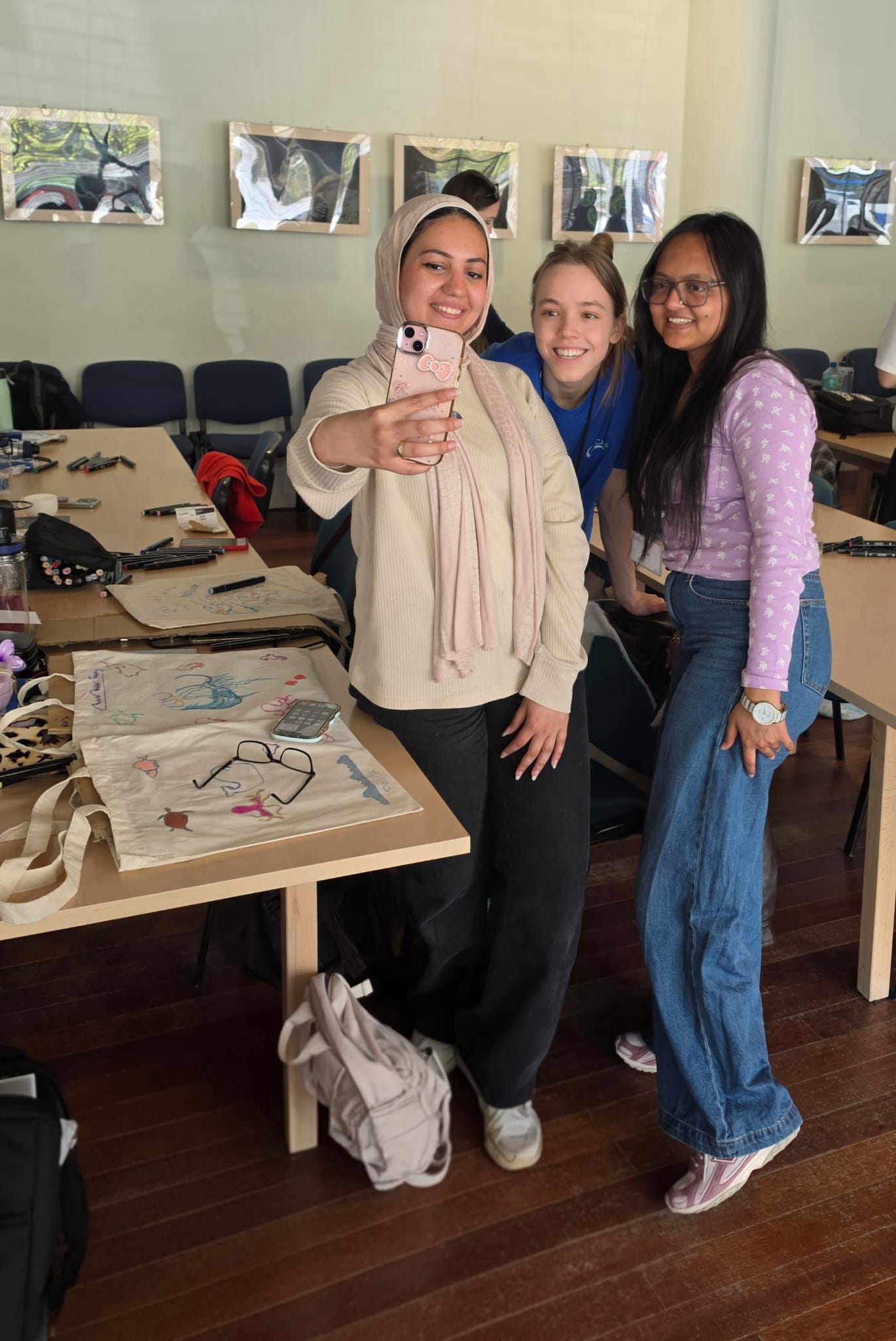
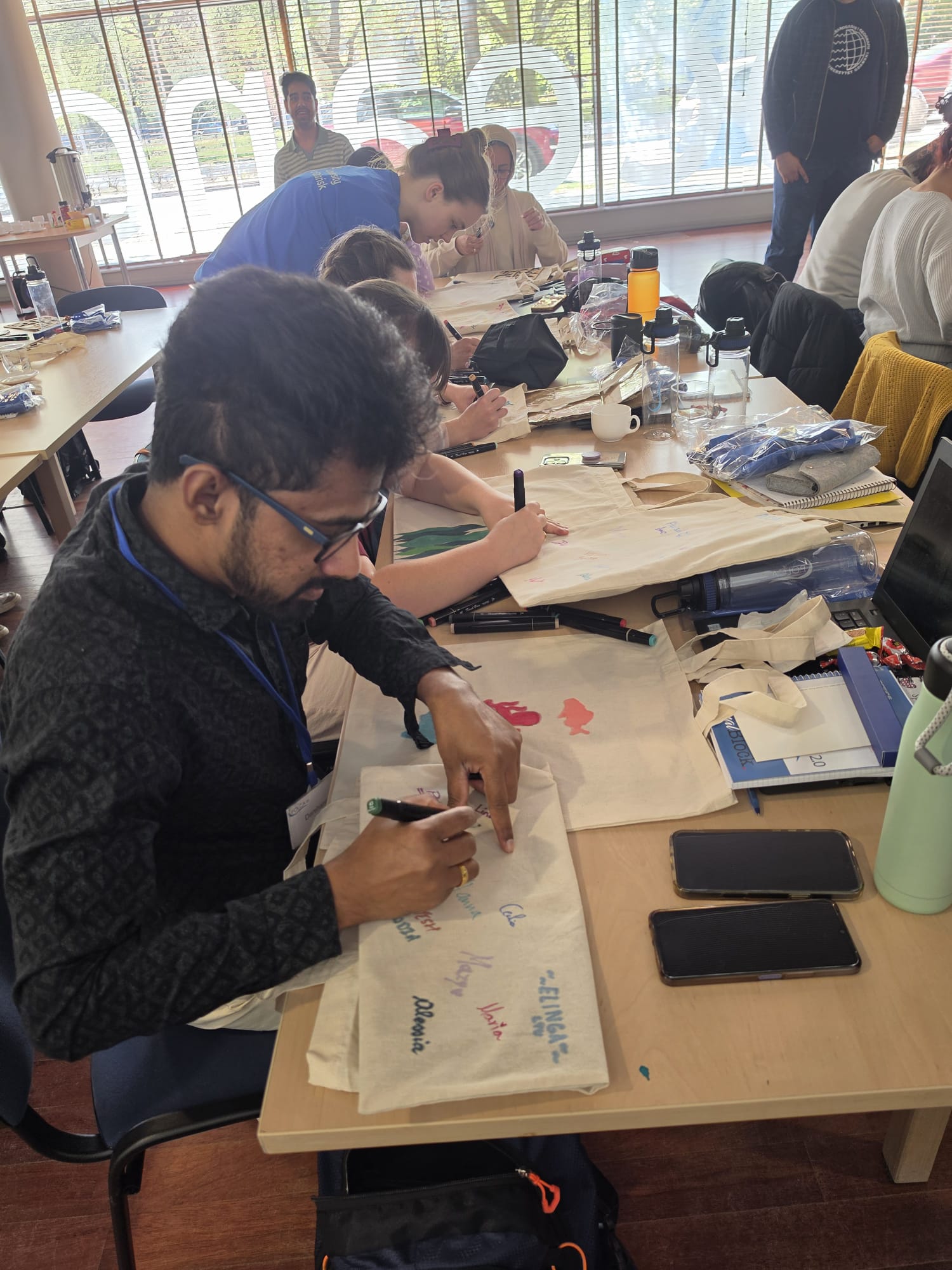
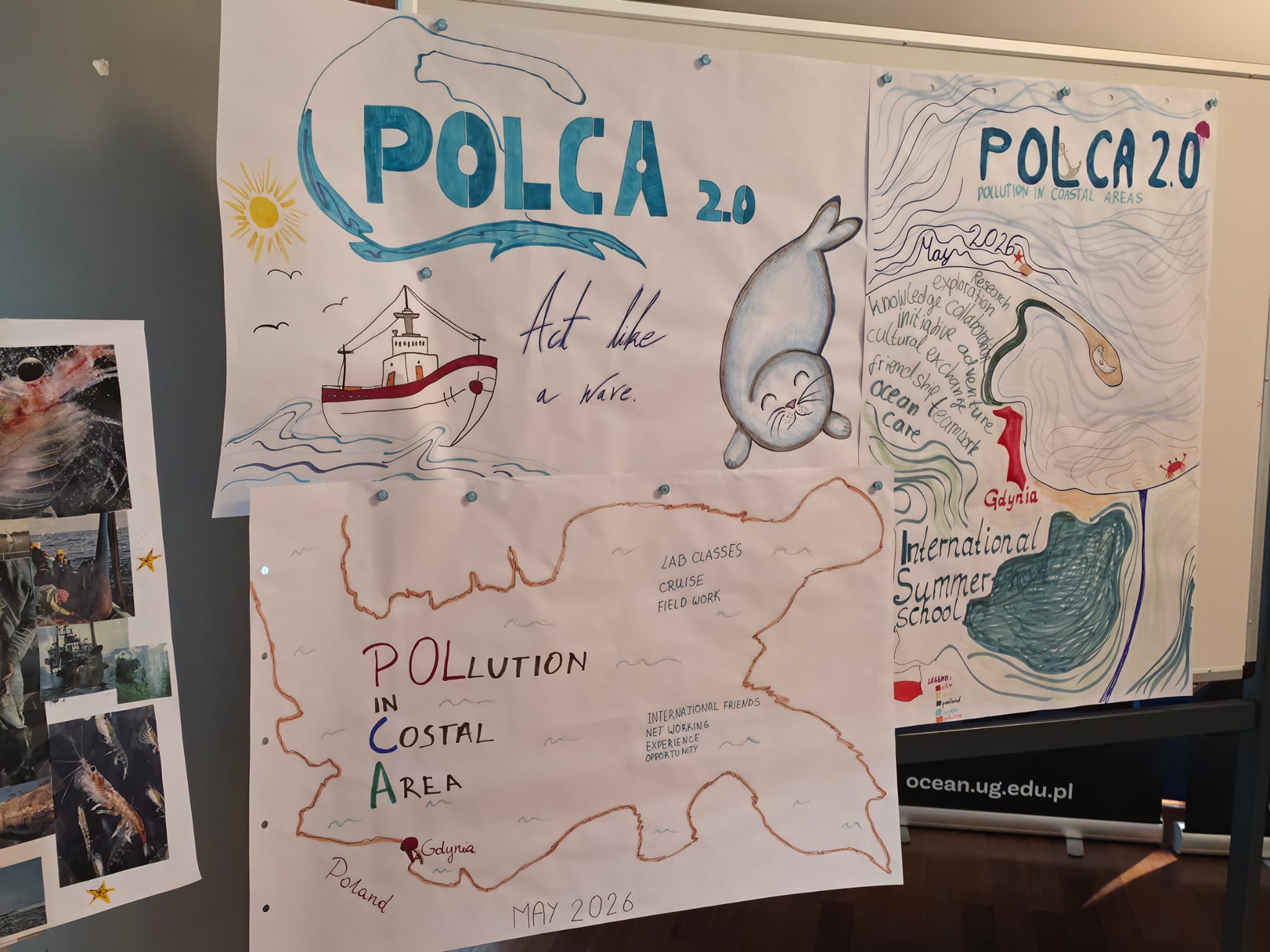
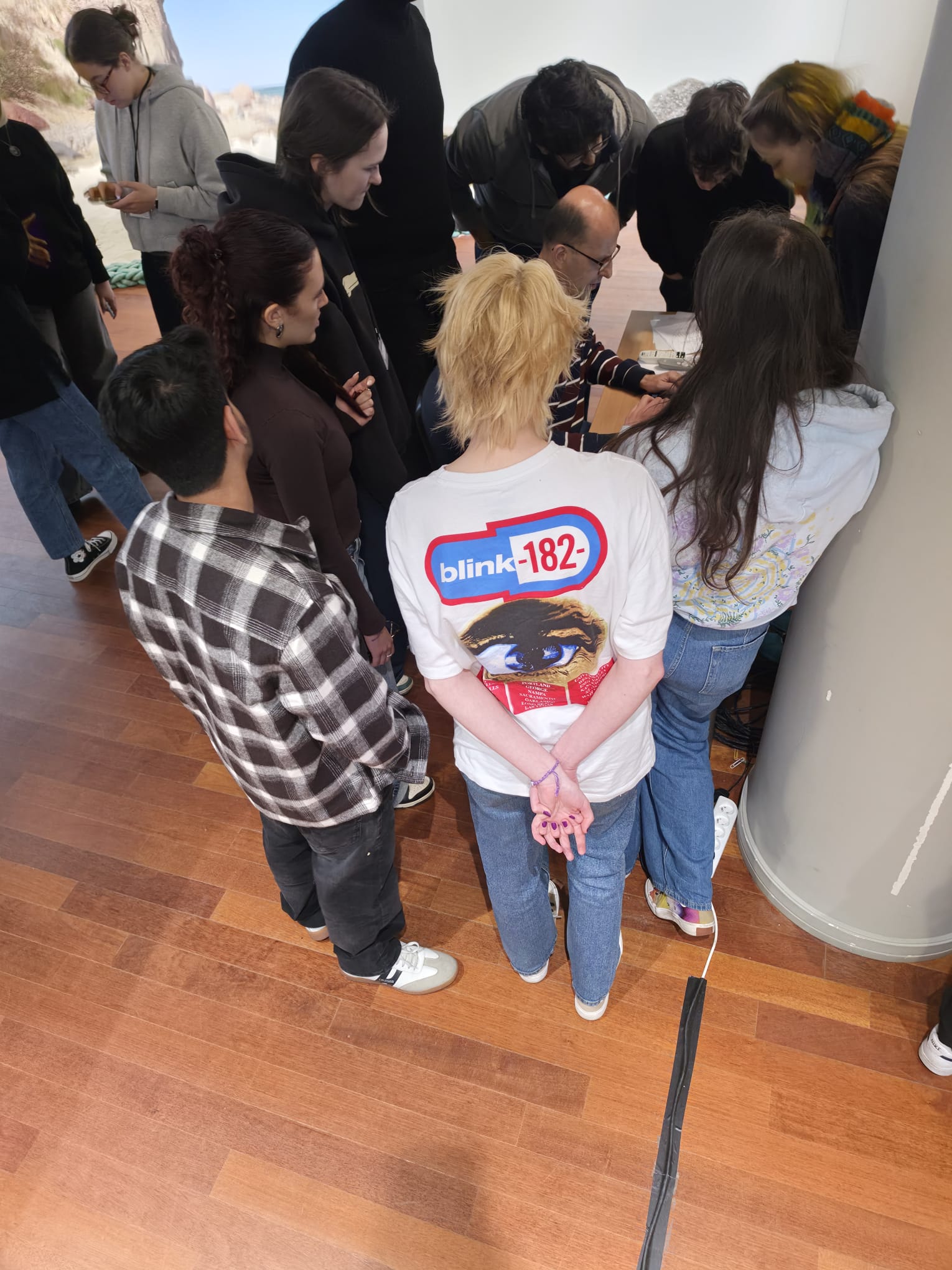
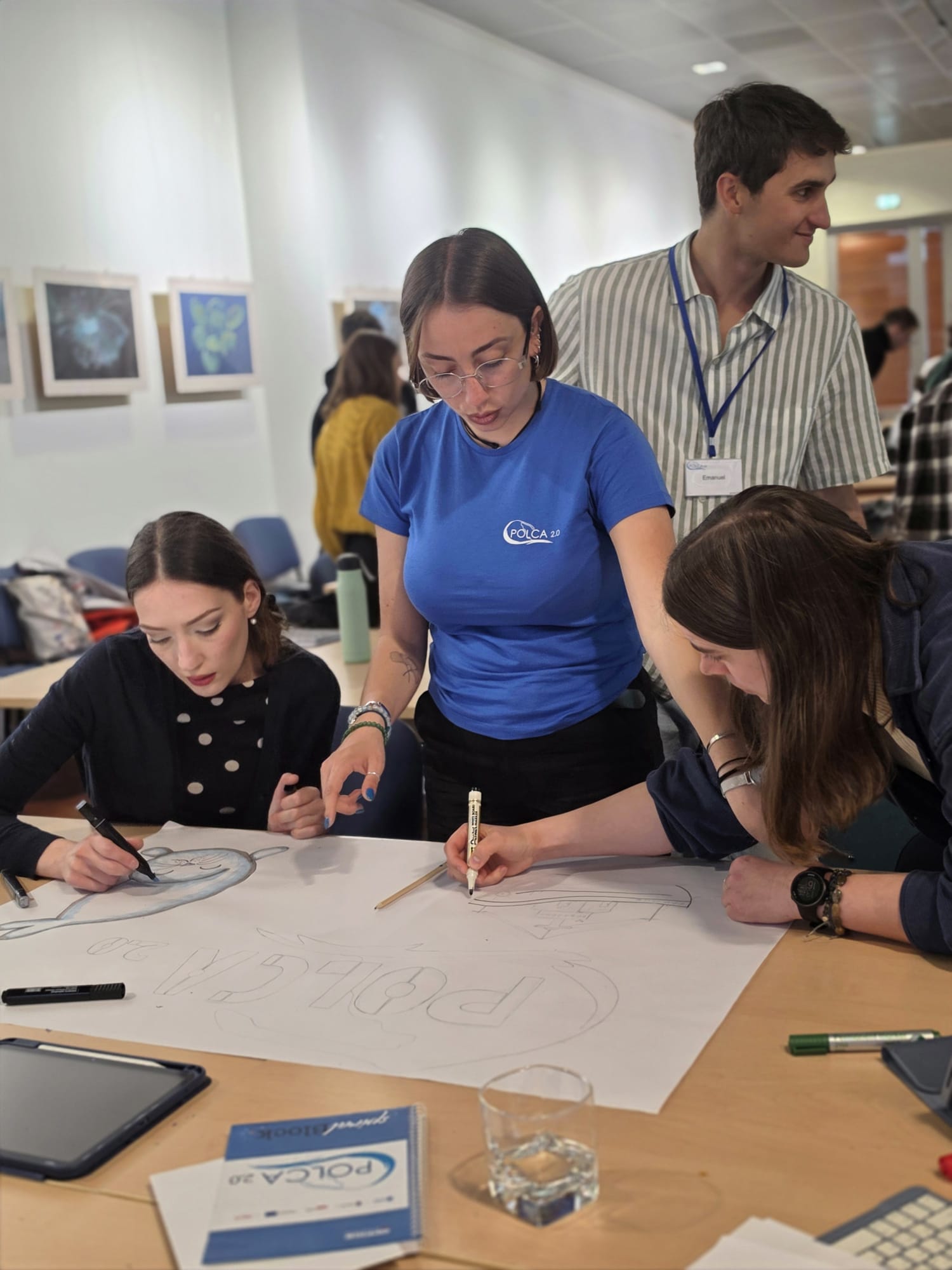
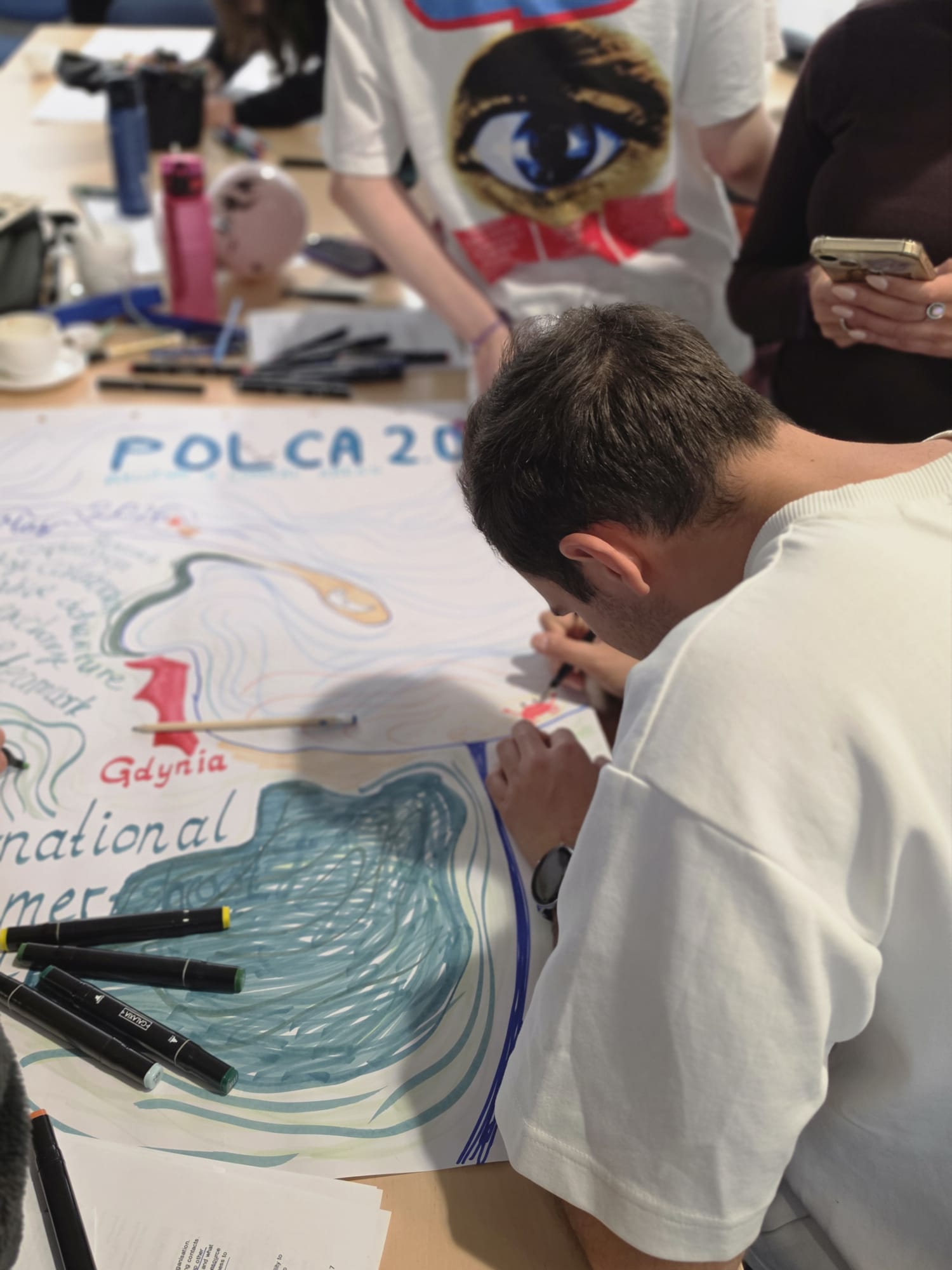
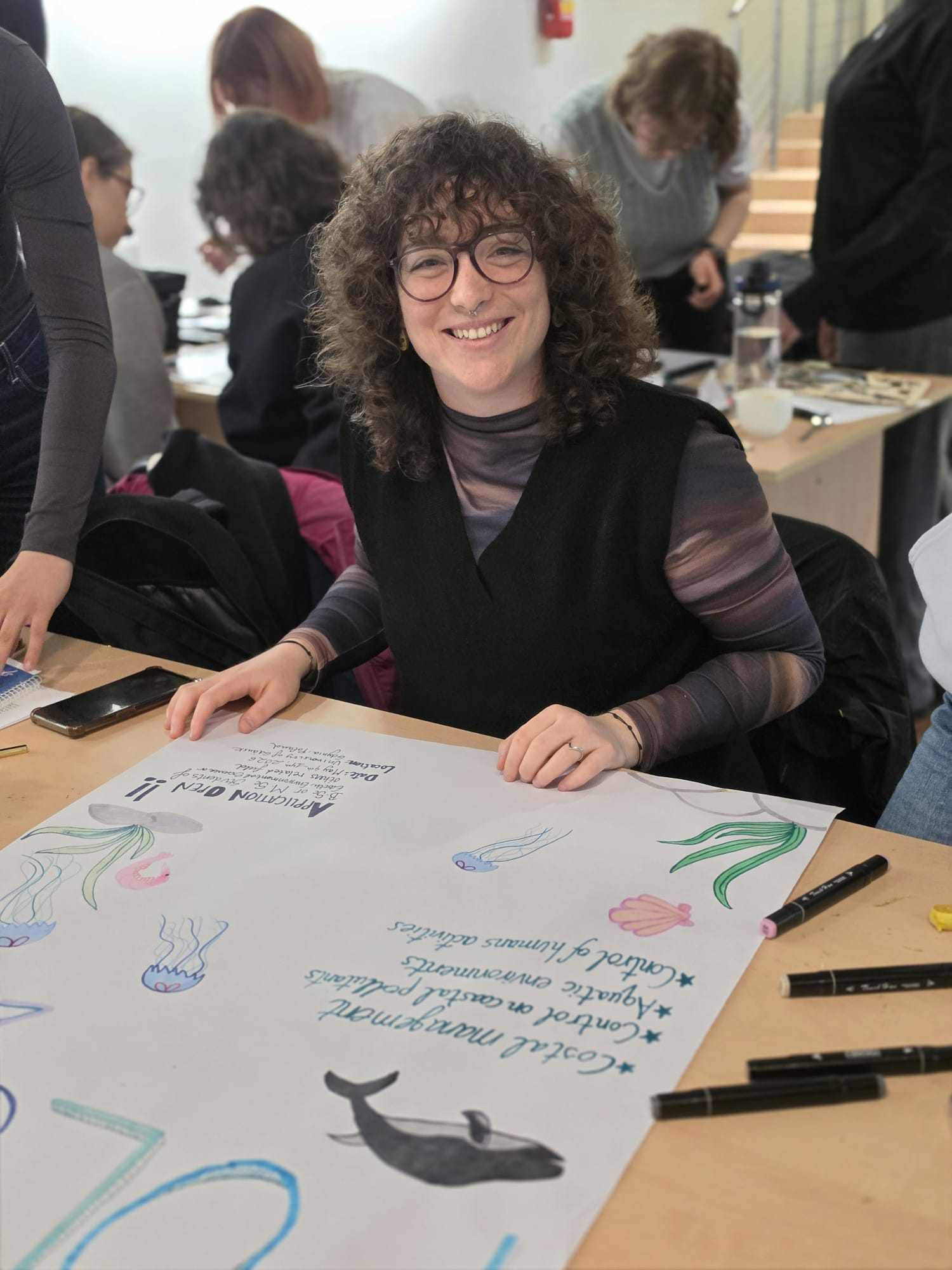
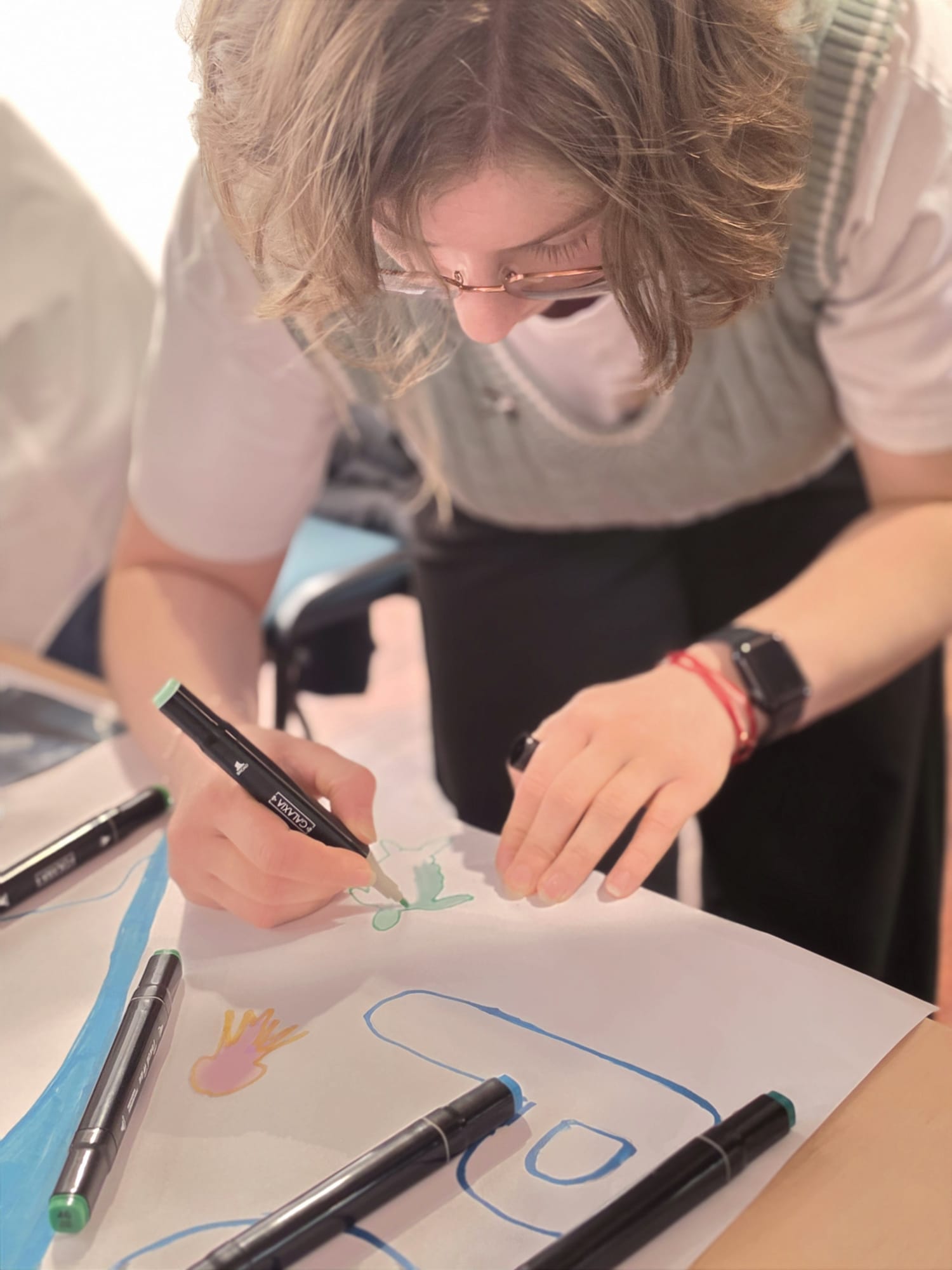
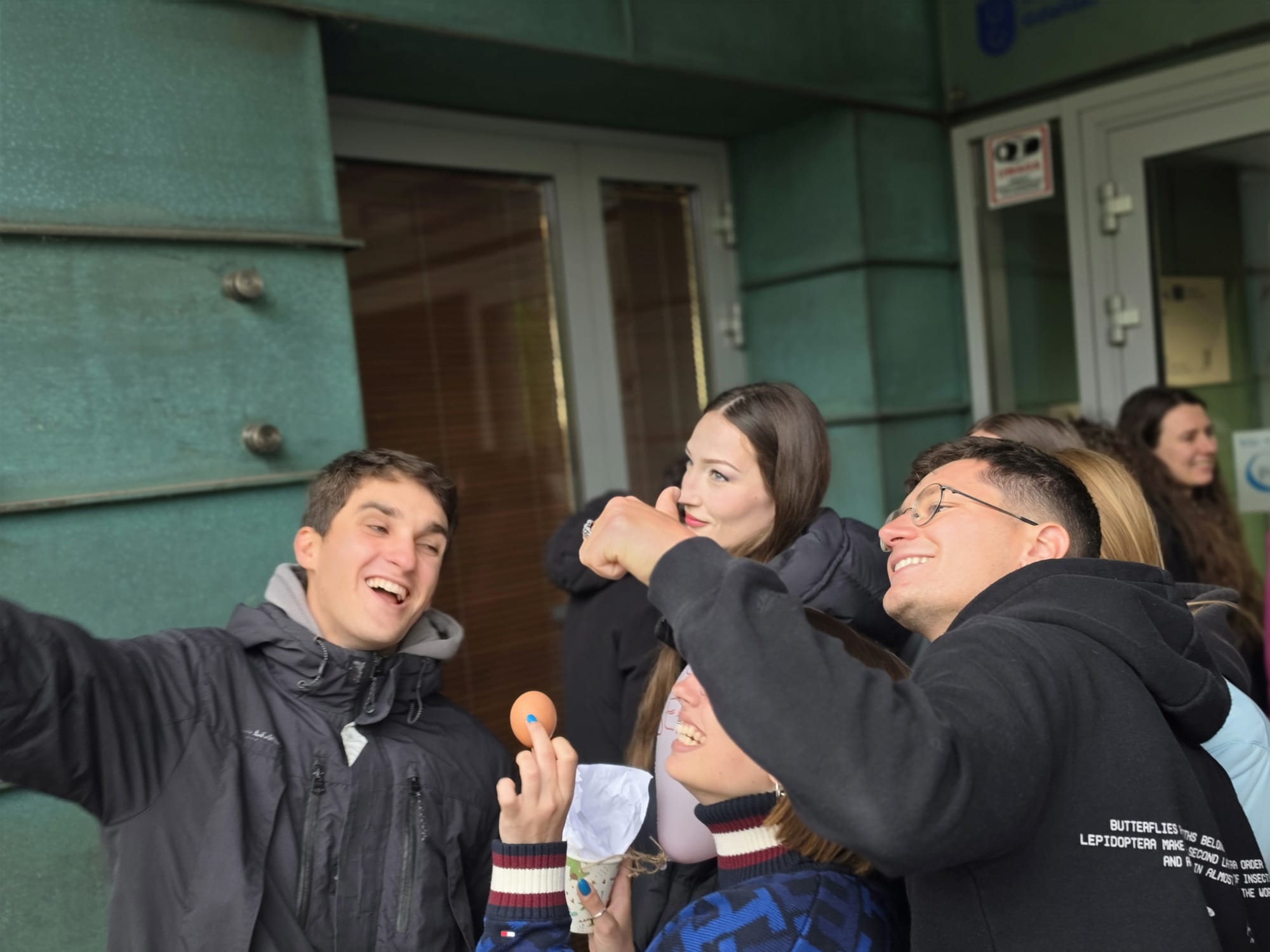
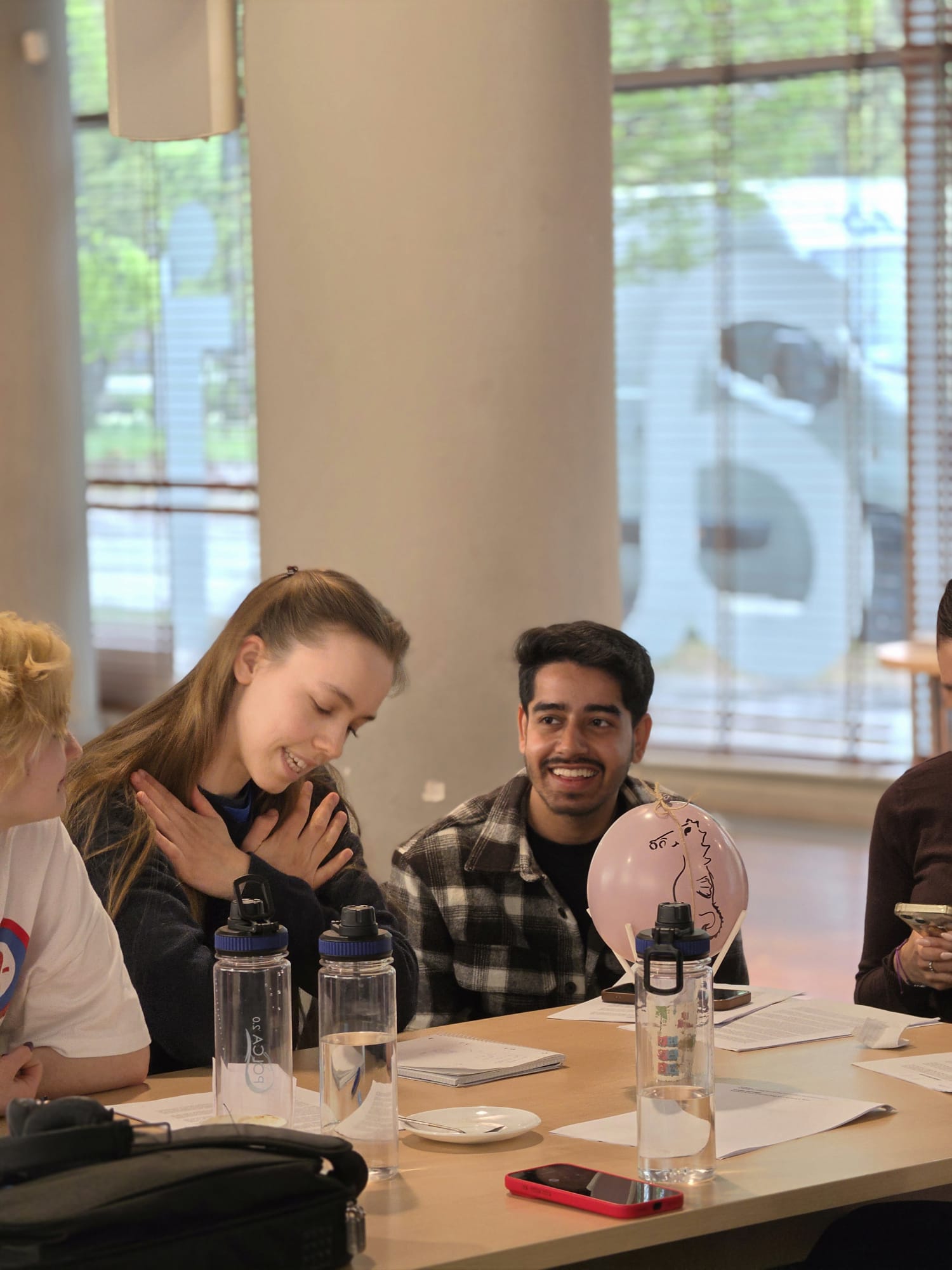
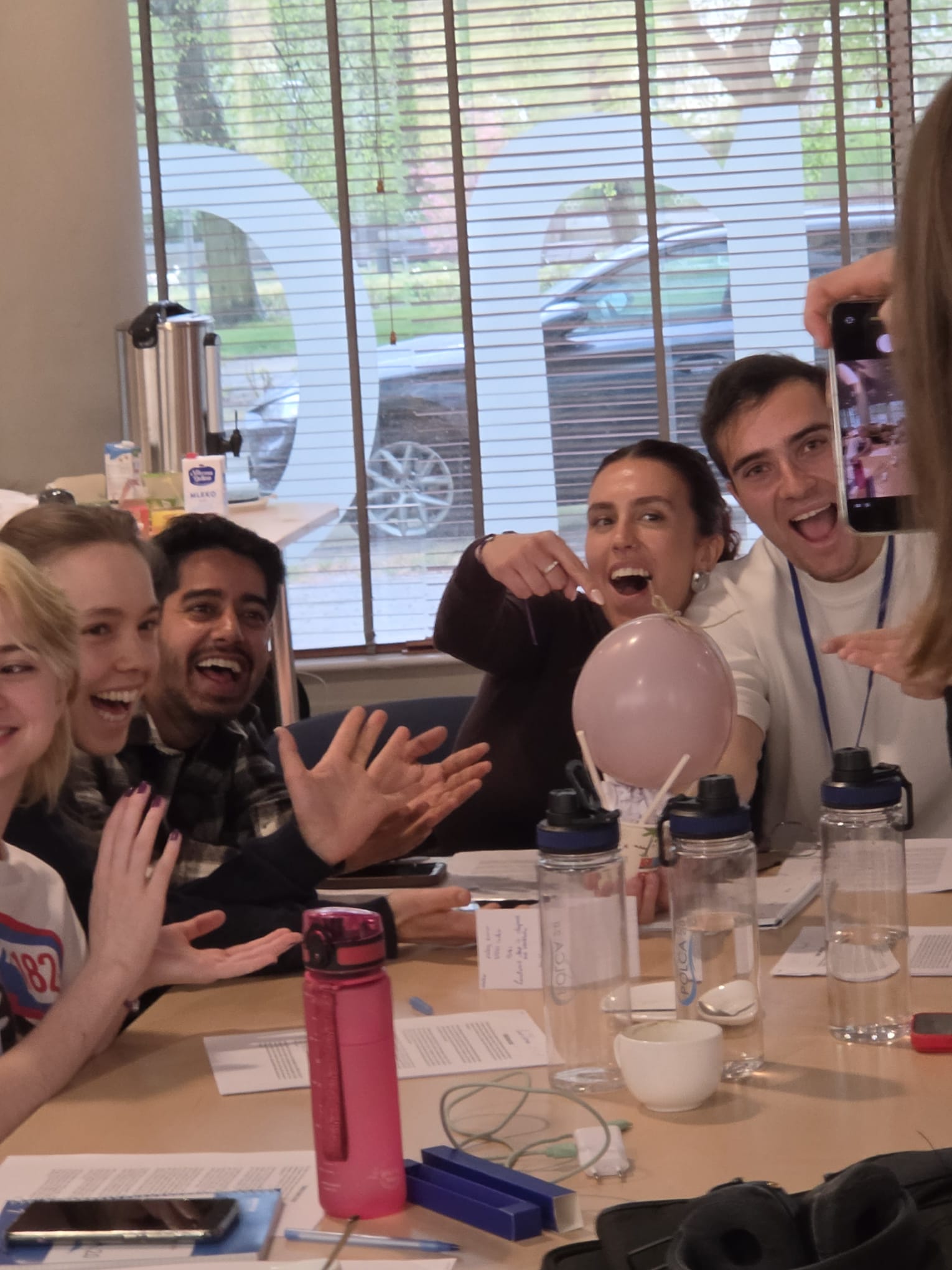
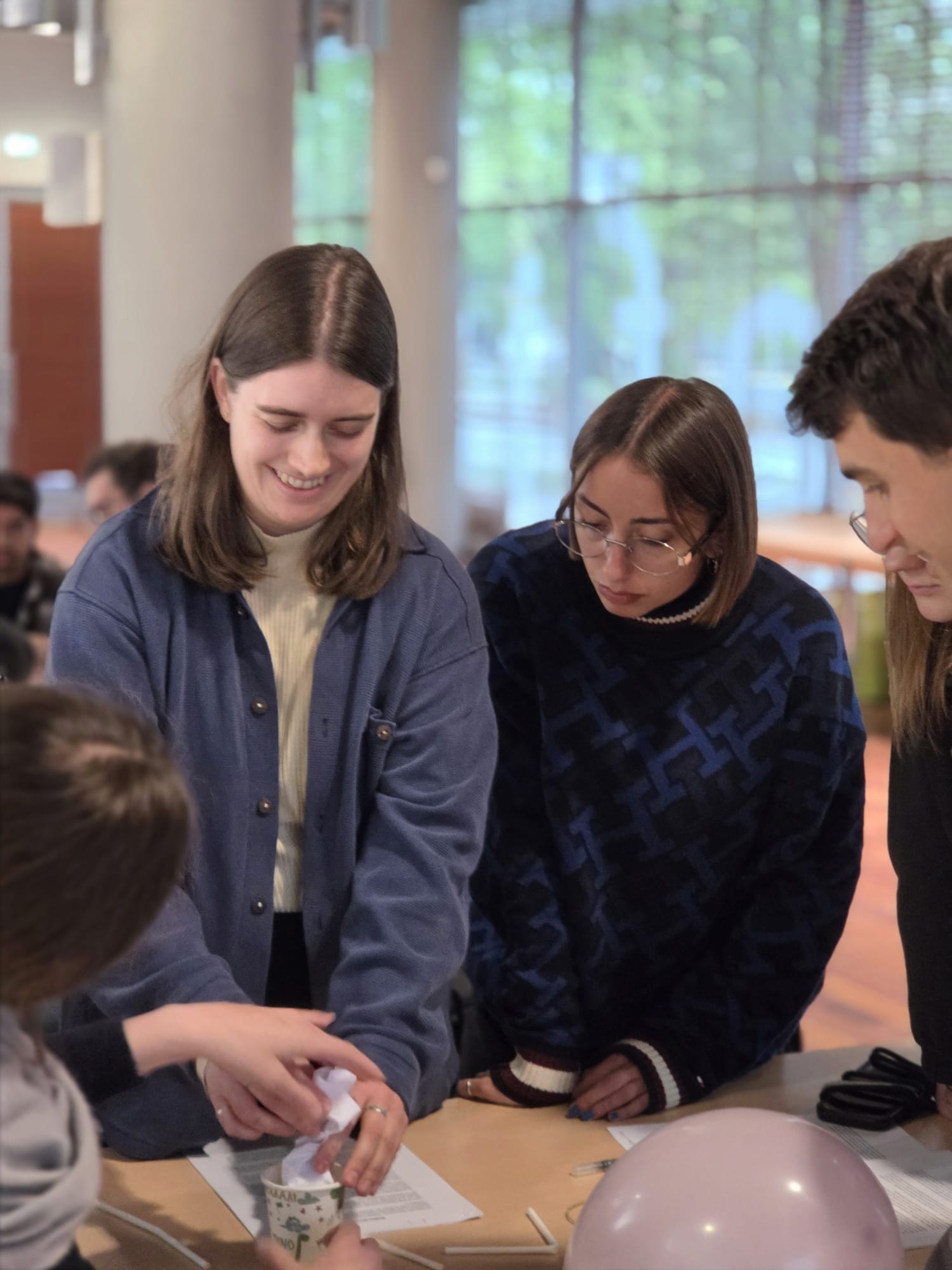
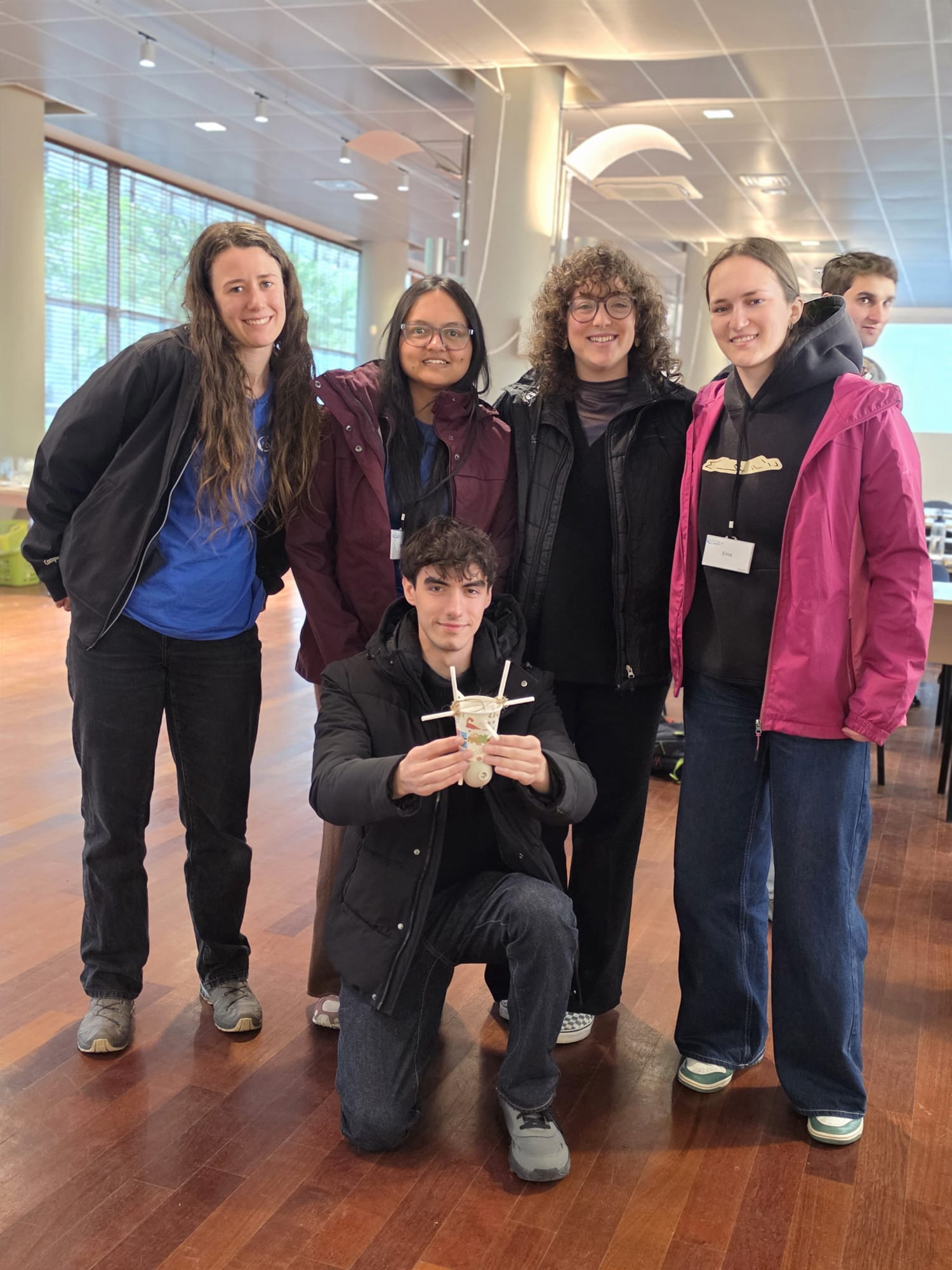
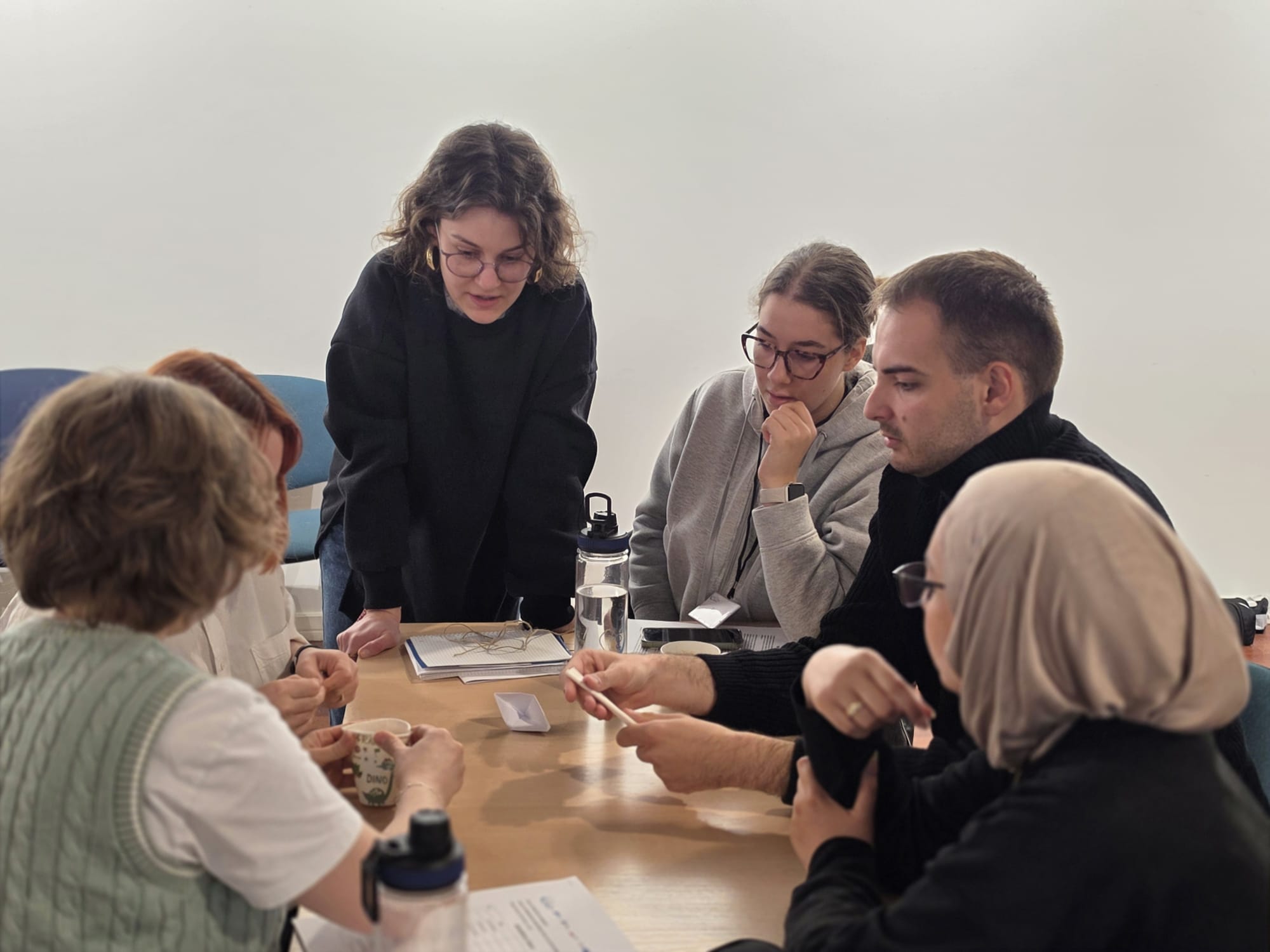
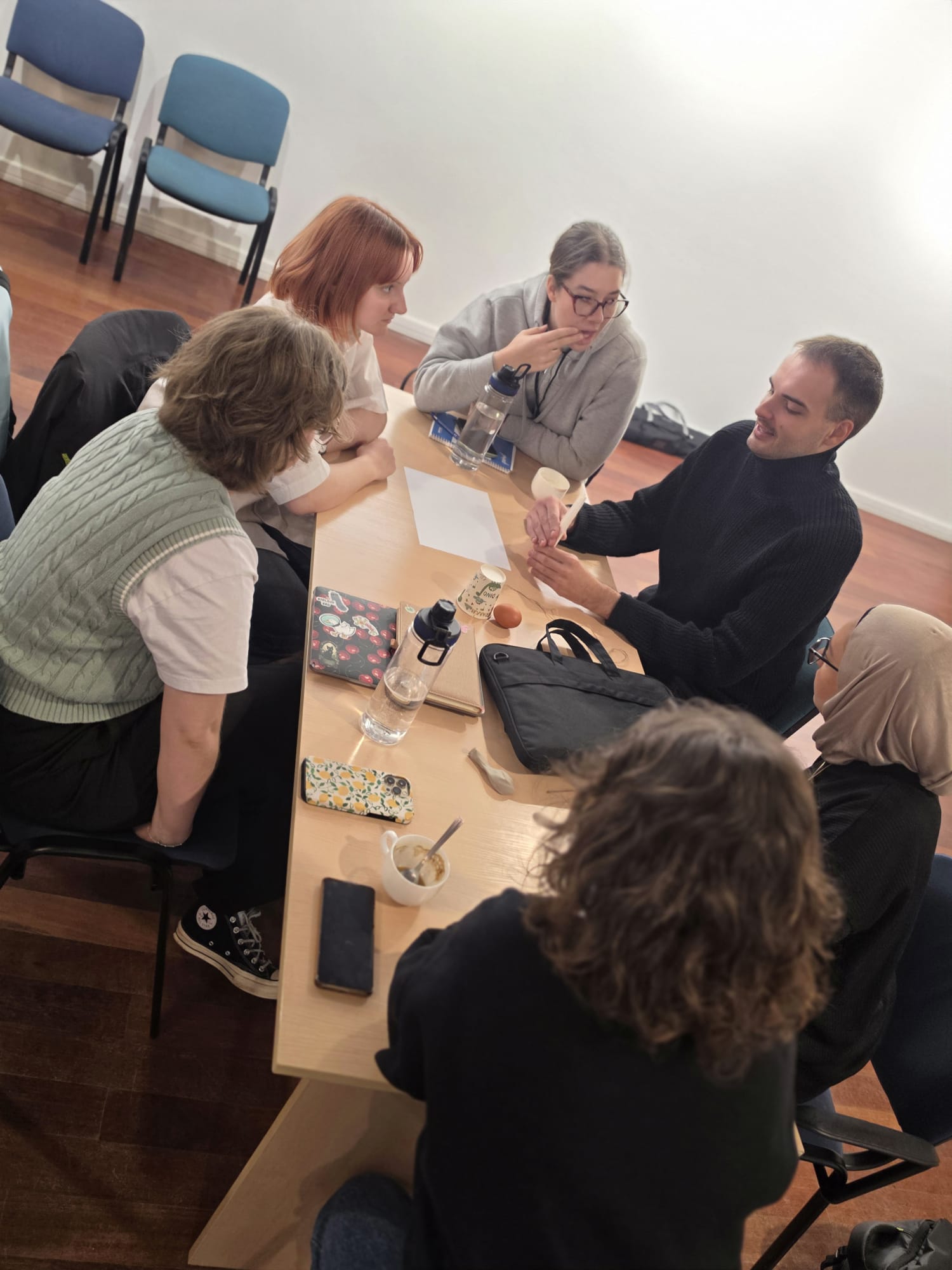
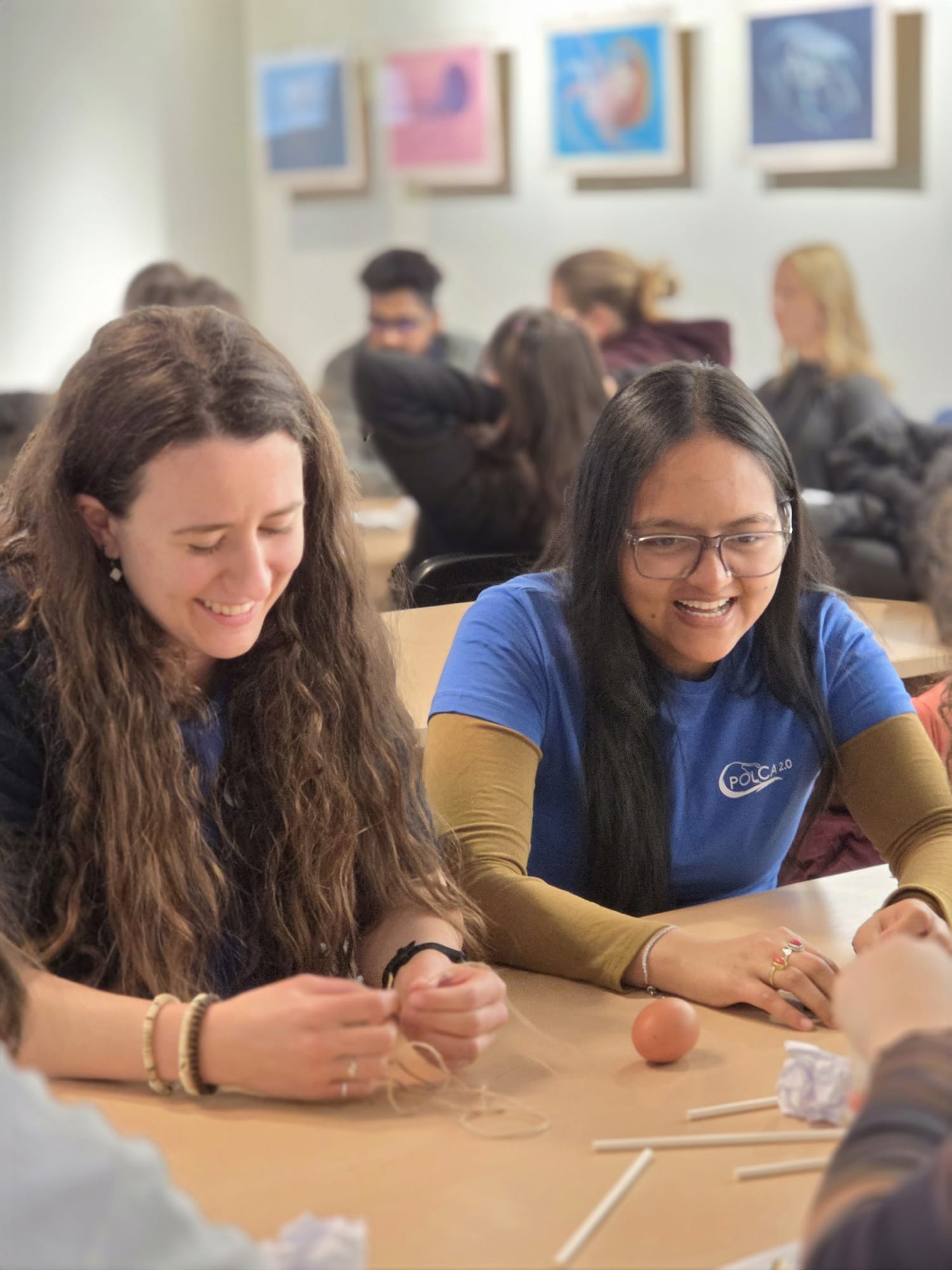
During the integration activities, participants worked together to create a POLCA poster and took part in a creative engineering challenge focused on designing a safety system for an egg. The goal was to build a structure that would protect the egg from breaking when dropped from a height. Out of all the teams, two successfully completed the challenge.
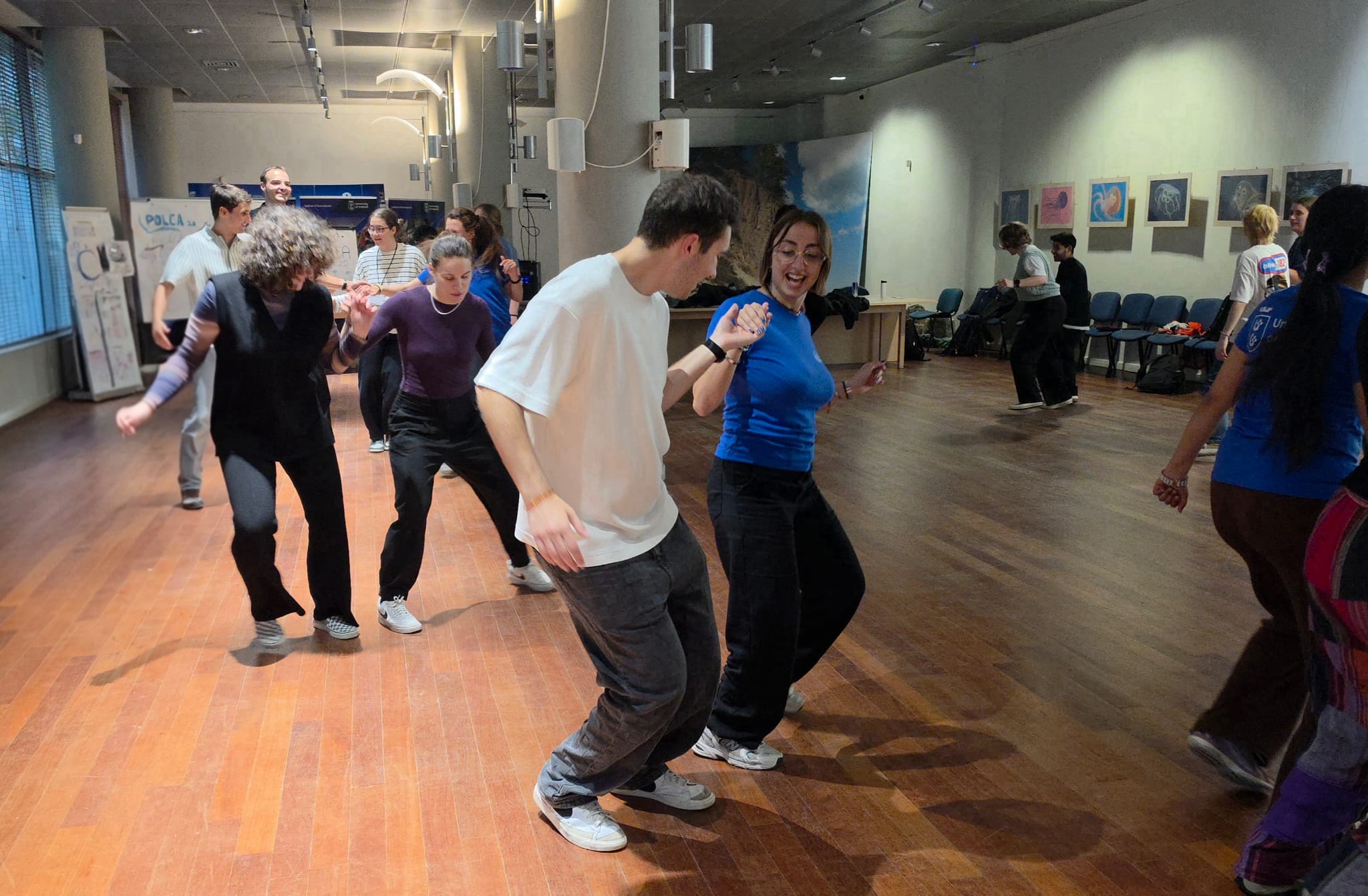
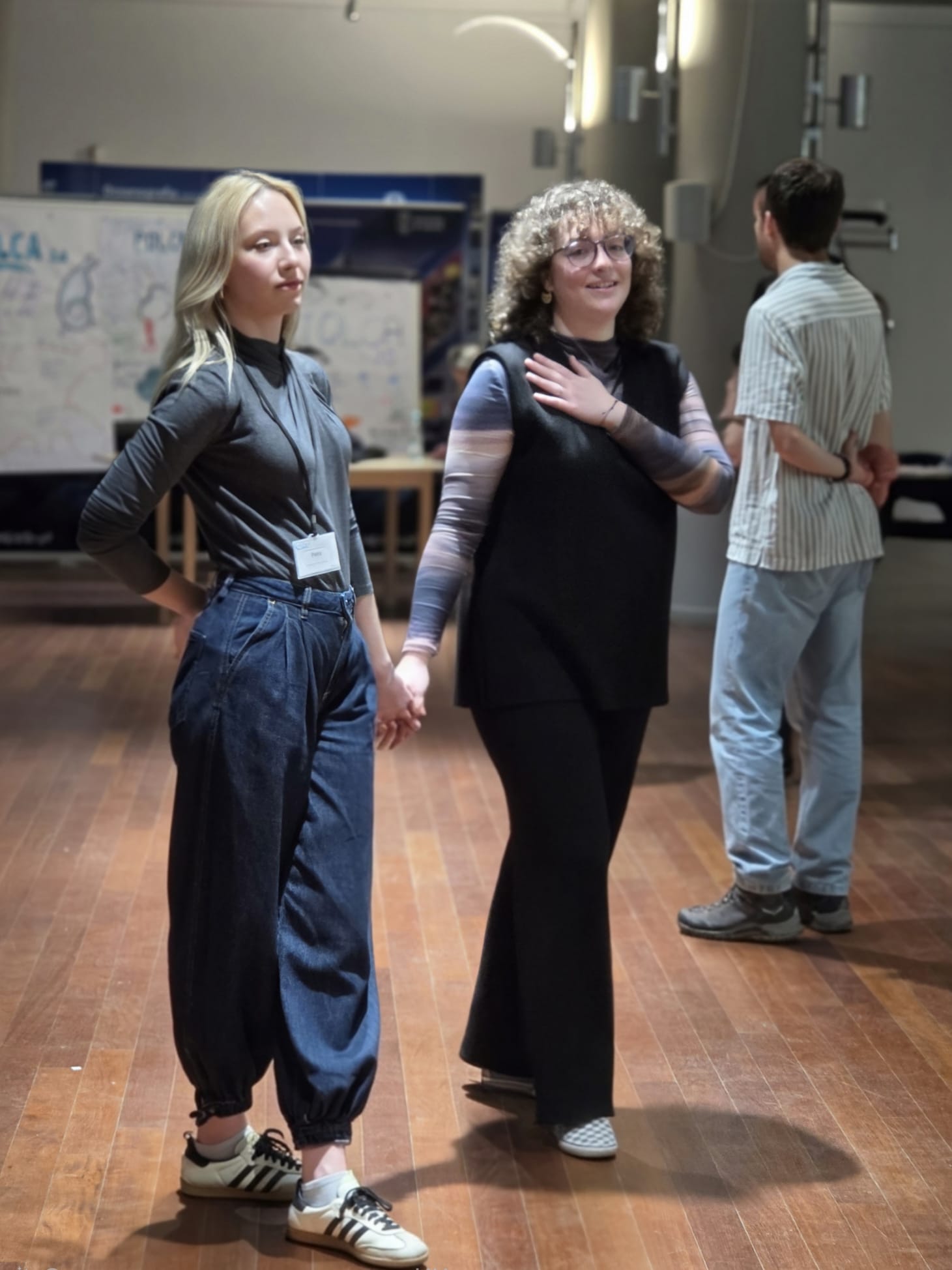
In the evening, participants explored elements of Polish culture during dance workshops, where they learned how to dance the traditional polka. The integration activities took place in a lively and joyful atmosphere, encouraging new international connections and teamwork.
Days 4-7 of POLCA 2.0 – field research, laboratories and scientific practice
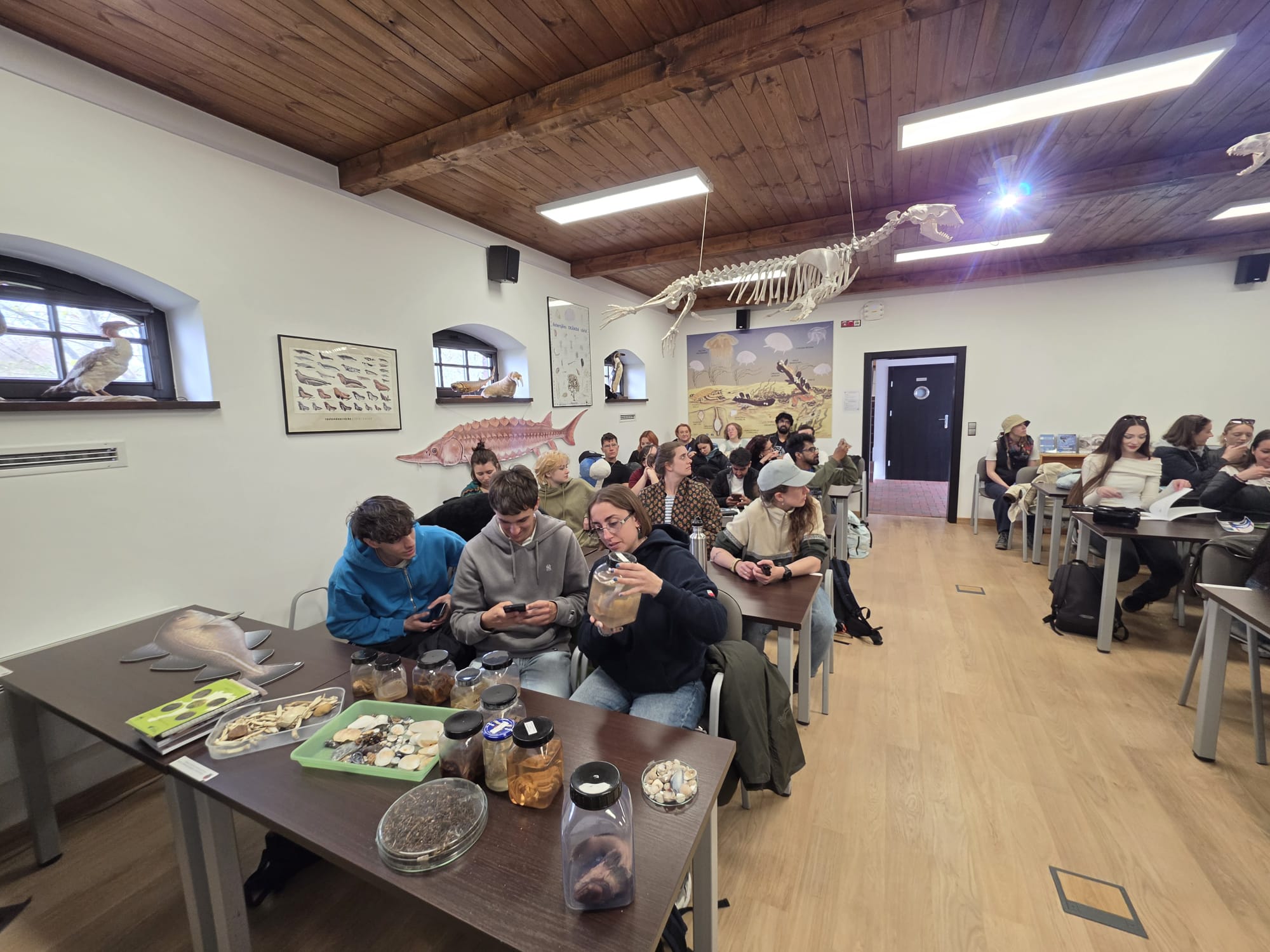
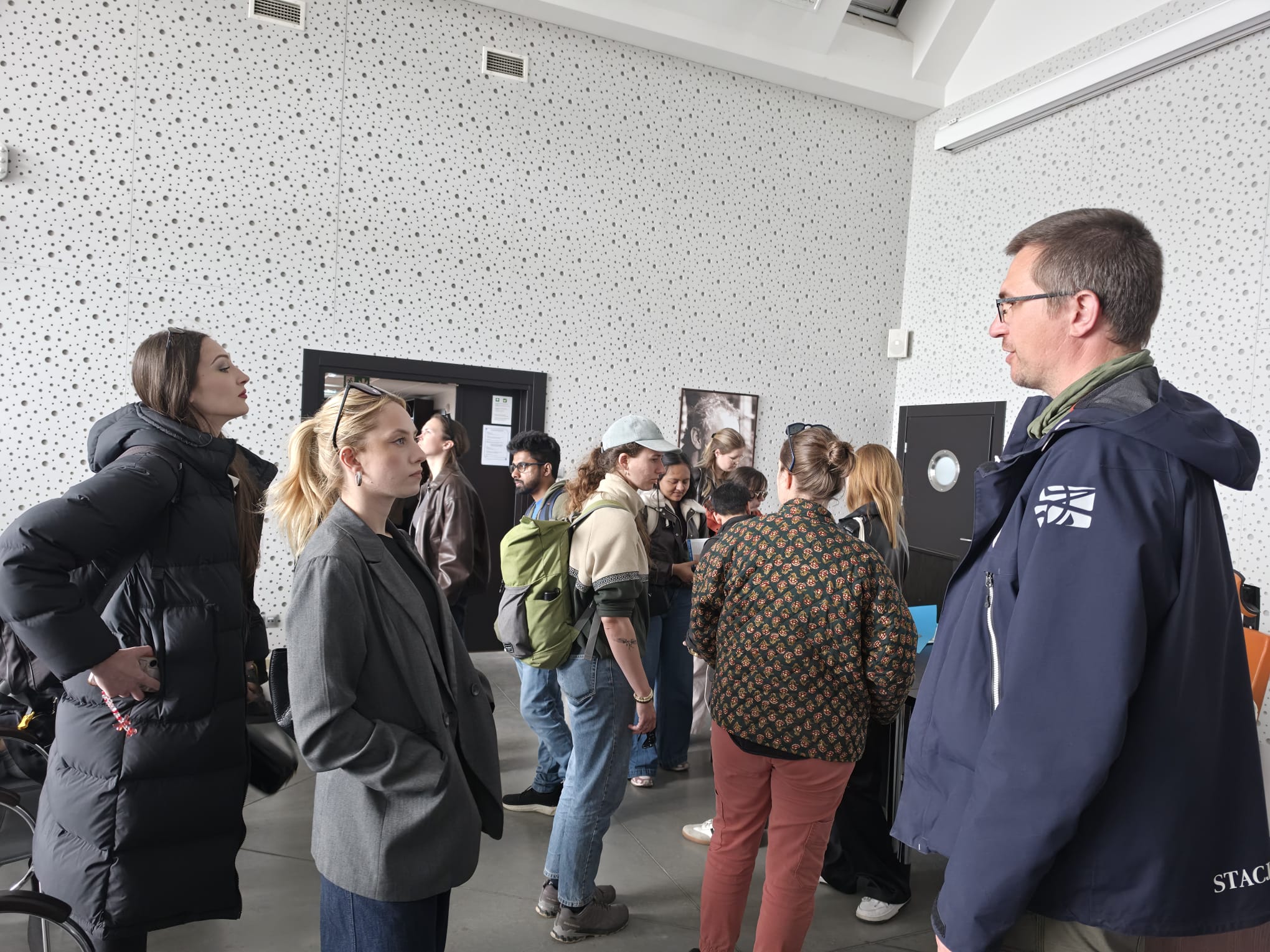
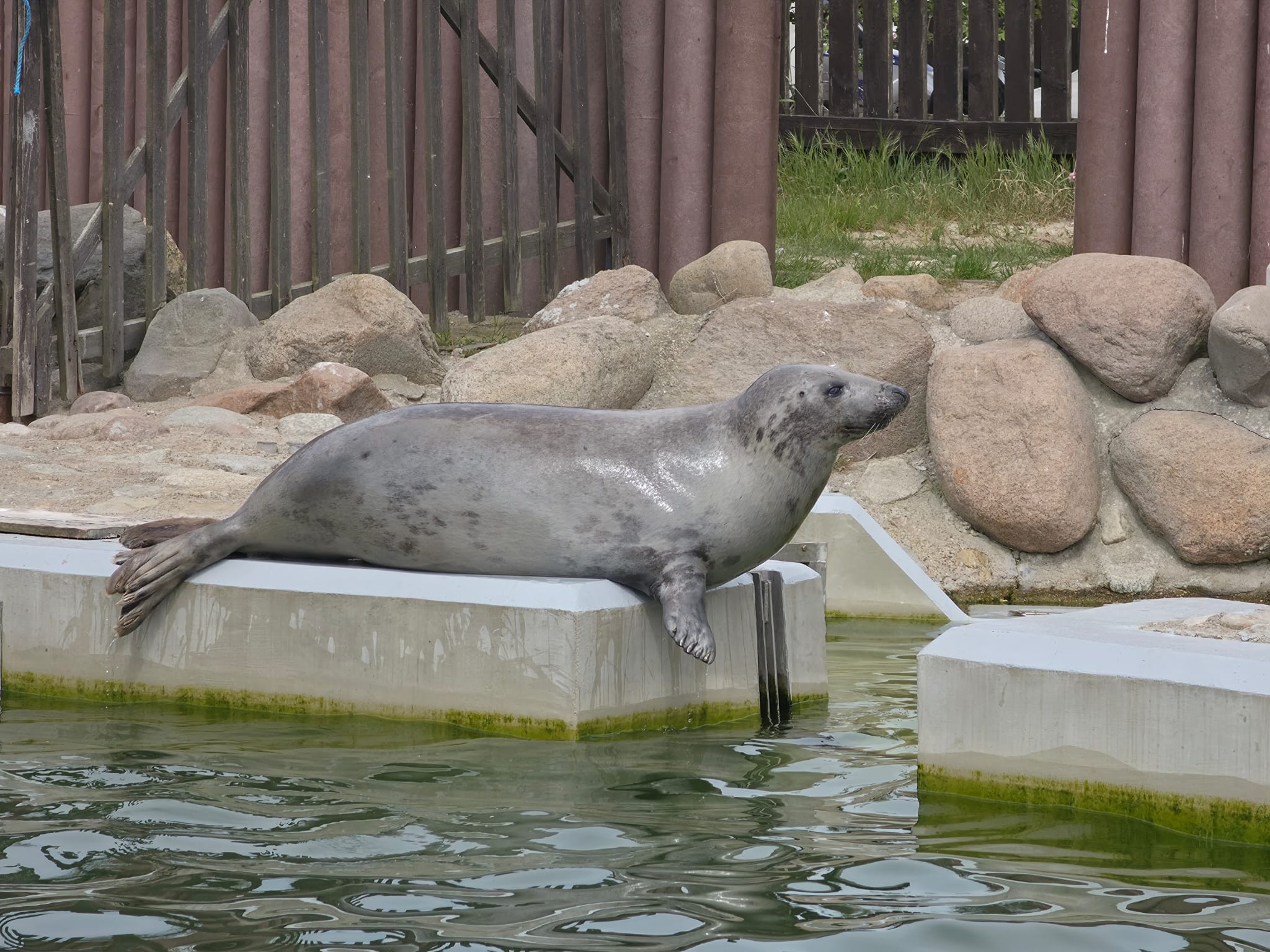
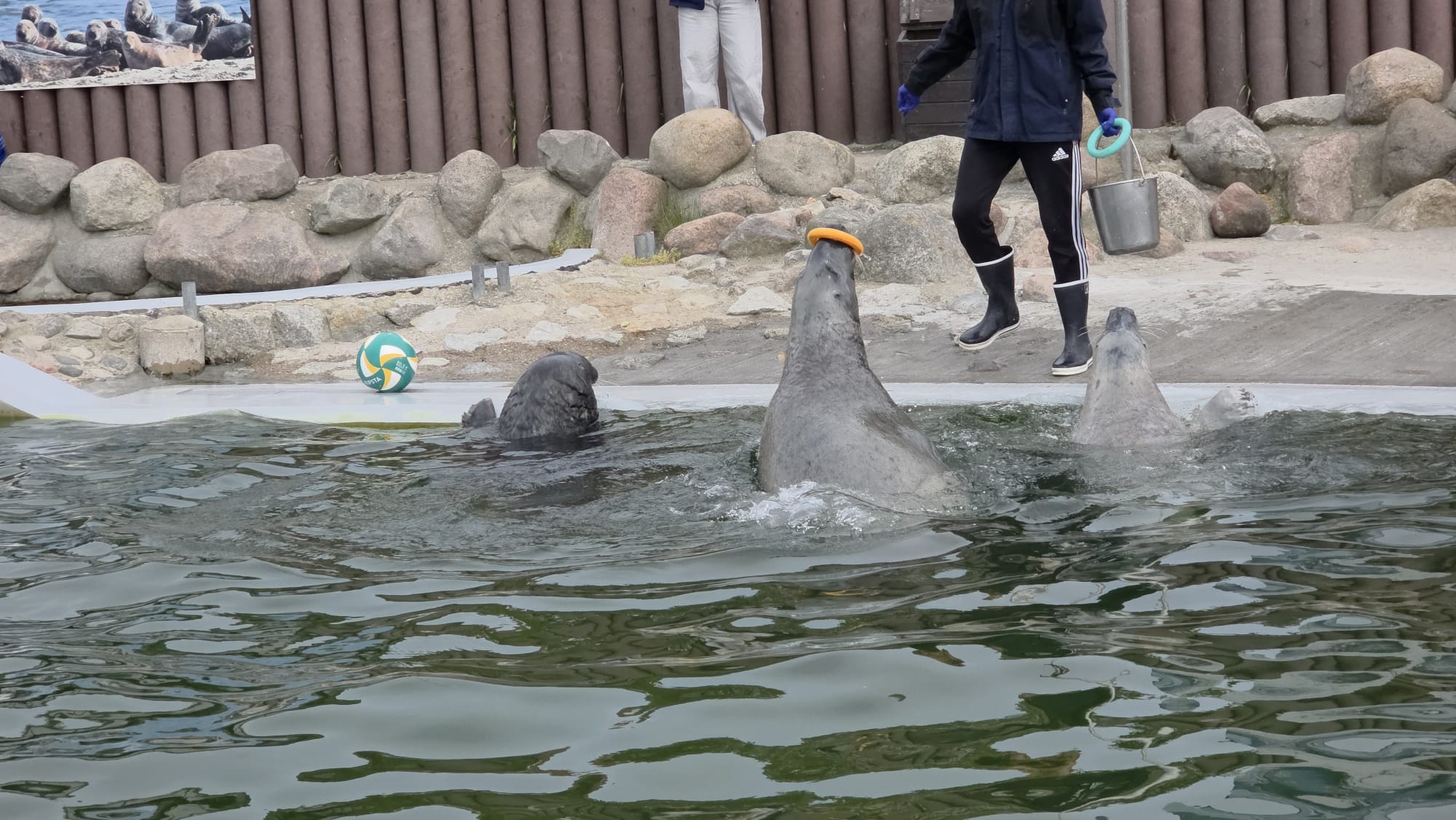
Days 4–7 of the International Summer School “Pollution in the Coastal Zone 2.0 (POLCA 2.0)” focused mainly on practical classes, field research, and laboratory work. The programme was organised in a rotational format, allowing each group to participate in all planned activities.
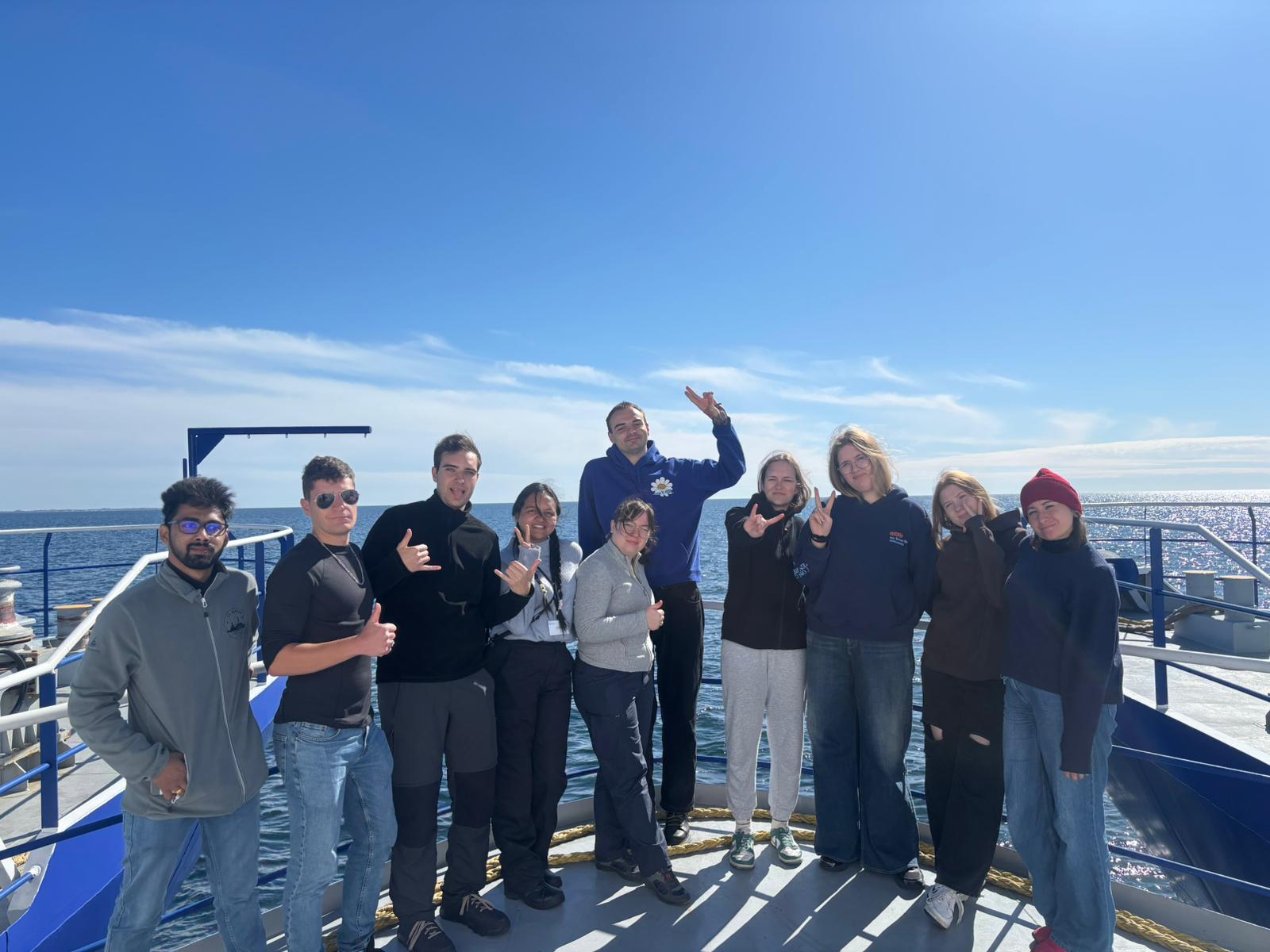
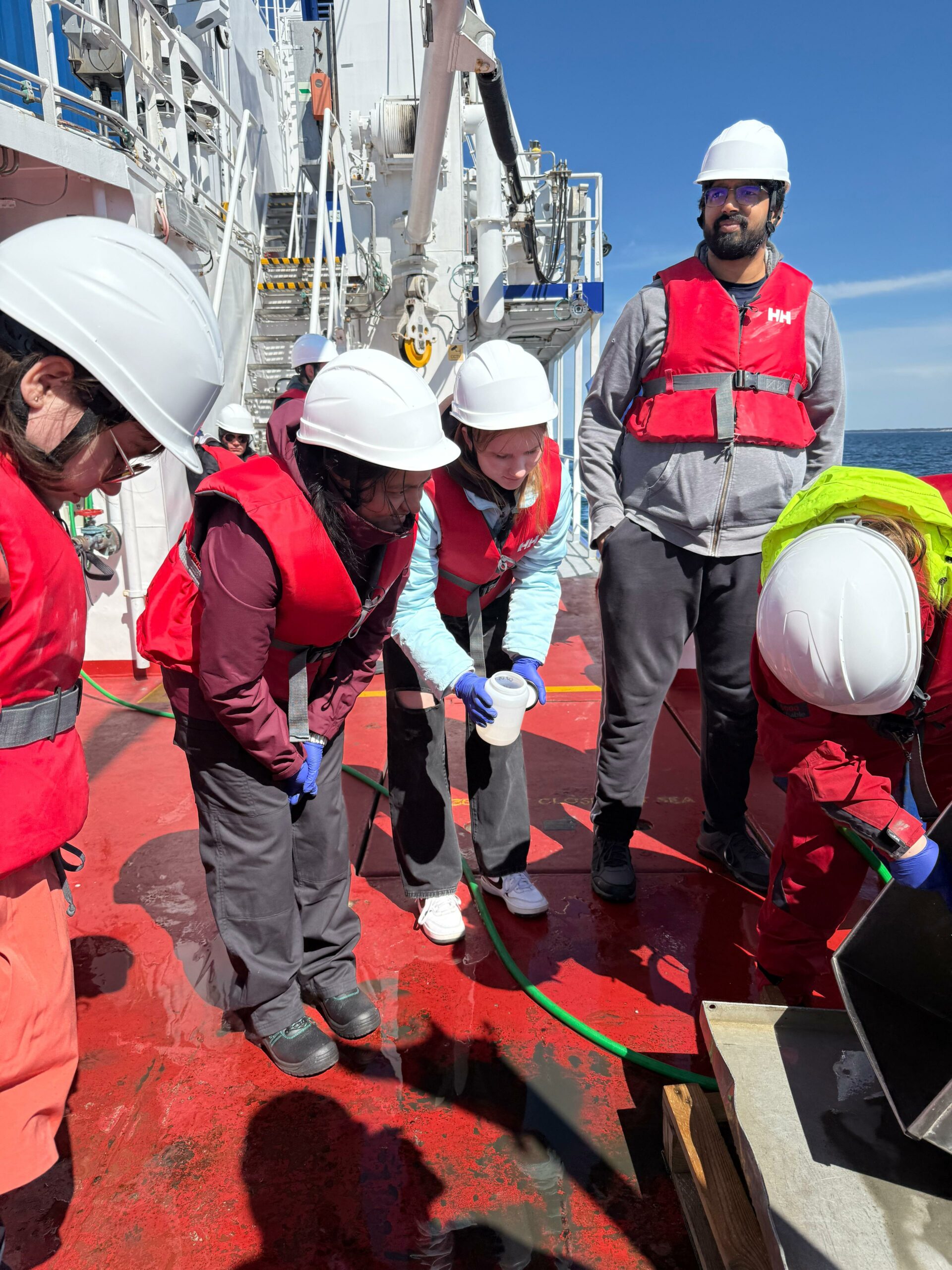
One of the key elements of the programme was a mini research cruise aboard the research vessel Oceanograf. Participants had the opportunity to experience the specifics of scientific work at sea, learn sampling methods, and become familiar with basic marine environmental monitoring techniques used during research cruises.
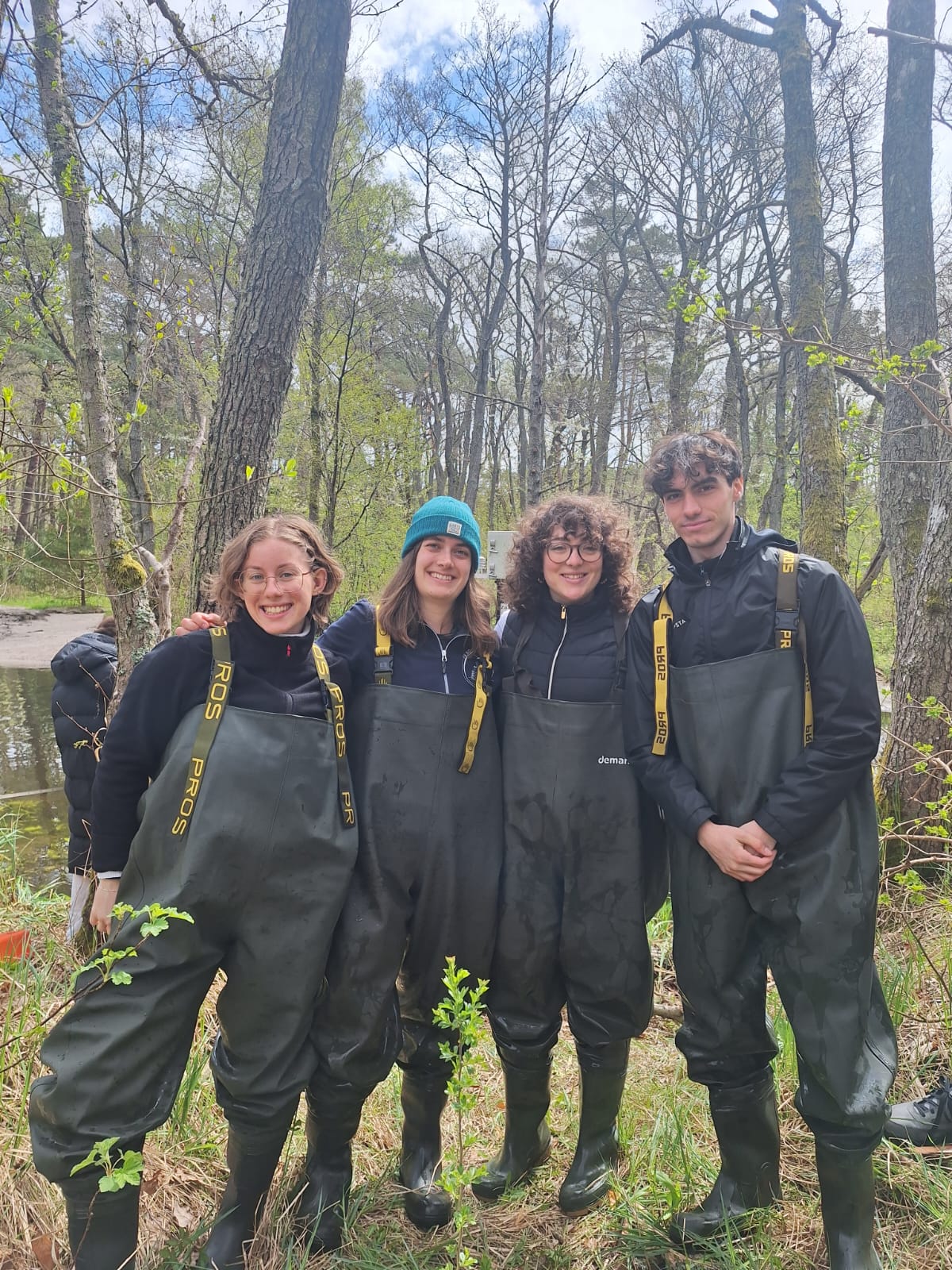
As part of the field study activities, participants conducted research in the Piaśnica River area, performing environmental measurements using drones. These activities were included in the workshop “Remote Sensing Environmental Monitoring using UAVs (Unmanned Aerial Vehicles),” during which students explored the use of unmanned aerial vehicles in environmental monitoring and coastal zone analysis.
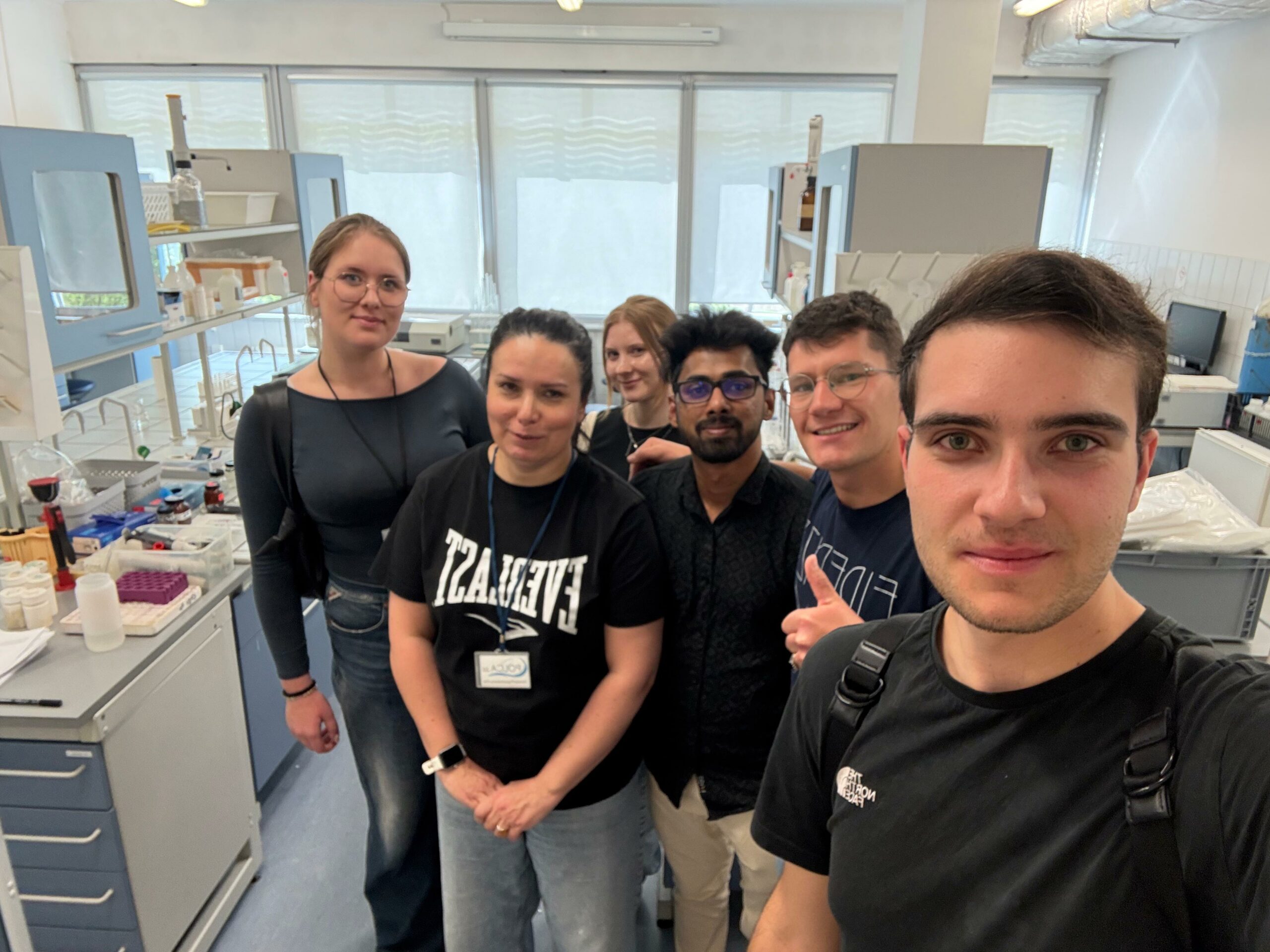
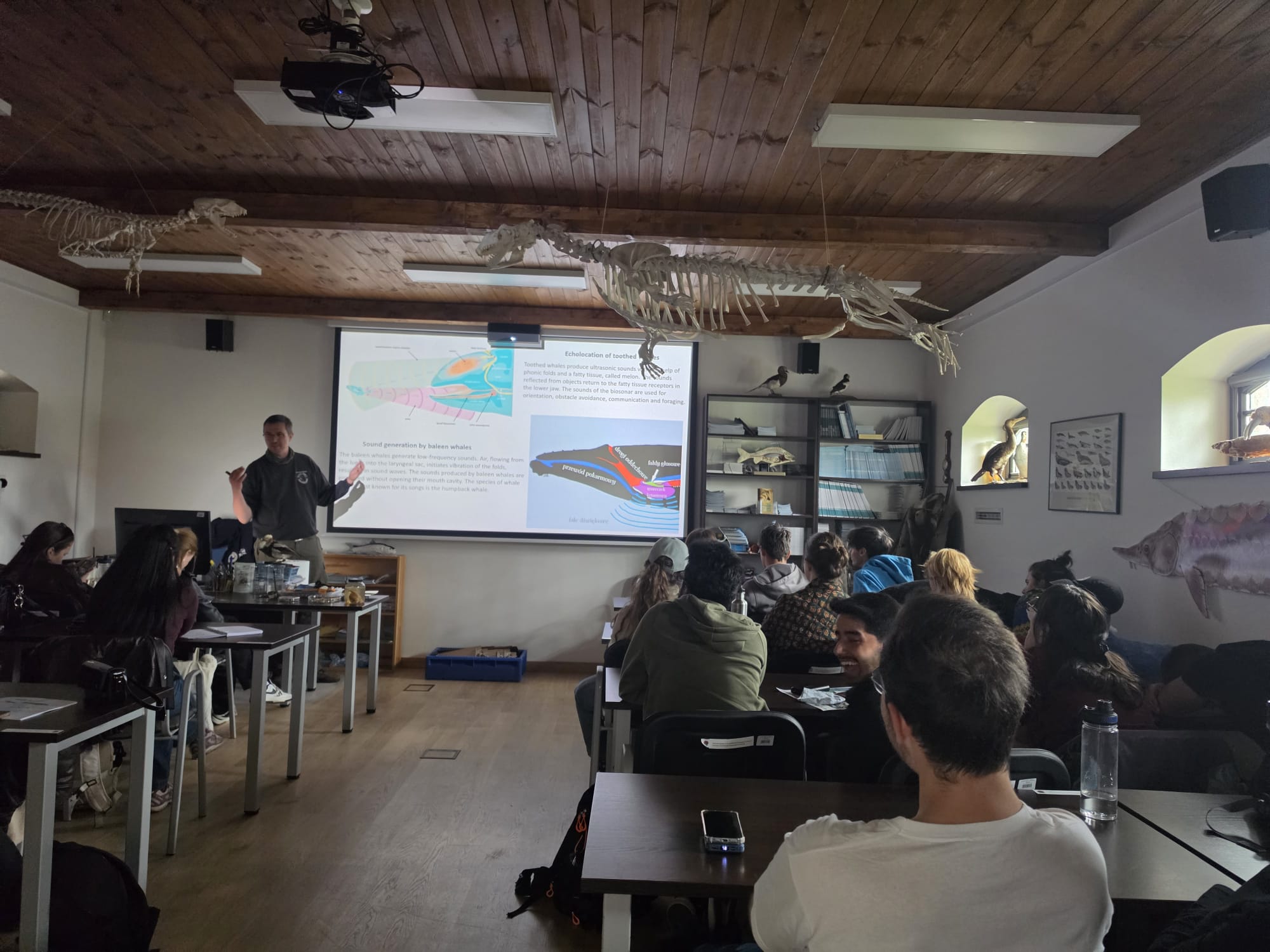
The programme also included laboratory classes carried out at the Faculty of Oceanography and Geography of the University of Gdańsk. During the workshop “Pollution in the Coastal Zone – Selected Chemical Aspects,” participants analysed selected chemical aspects of marine pollution. Another class, “Collection and Analysis of Zoobenthos in the Vistula Outflow,” introduced methods of sampling and analysing zoobenthos in the Vistula estuary area and highlighted the importance of benthic organisms in assessing aquatic environmental conditions.
An important part of the programme was also the workshop “Soft Skills 4Cs – Communication, Collaboration, Critical Thinking, Creativity,” which focused on developing communication, teamwork, creative thinking, and international cooperation skills.
Days 4–9 of POLCA 2.0 enabled participants to combine theoretical knowledge with practical experience, gain hands-on skills in field and laboratory research, and better understand modern methods used in marine environmental studies.
Final Days of POLCA 2.0 – teamwork, presentations and unforgettable memories
The final two days of the International Summer School “Pollution in the Coastal Zone 2.0 (POLCA 2.0)” were dedicated to intensive project work, presentations, and celebrating the conclusion of the Summer School together.
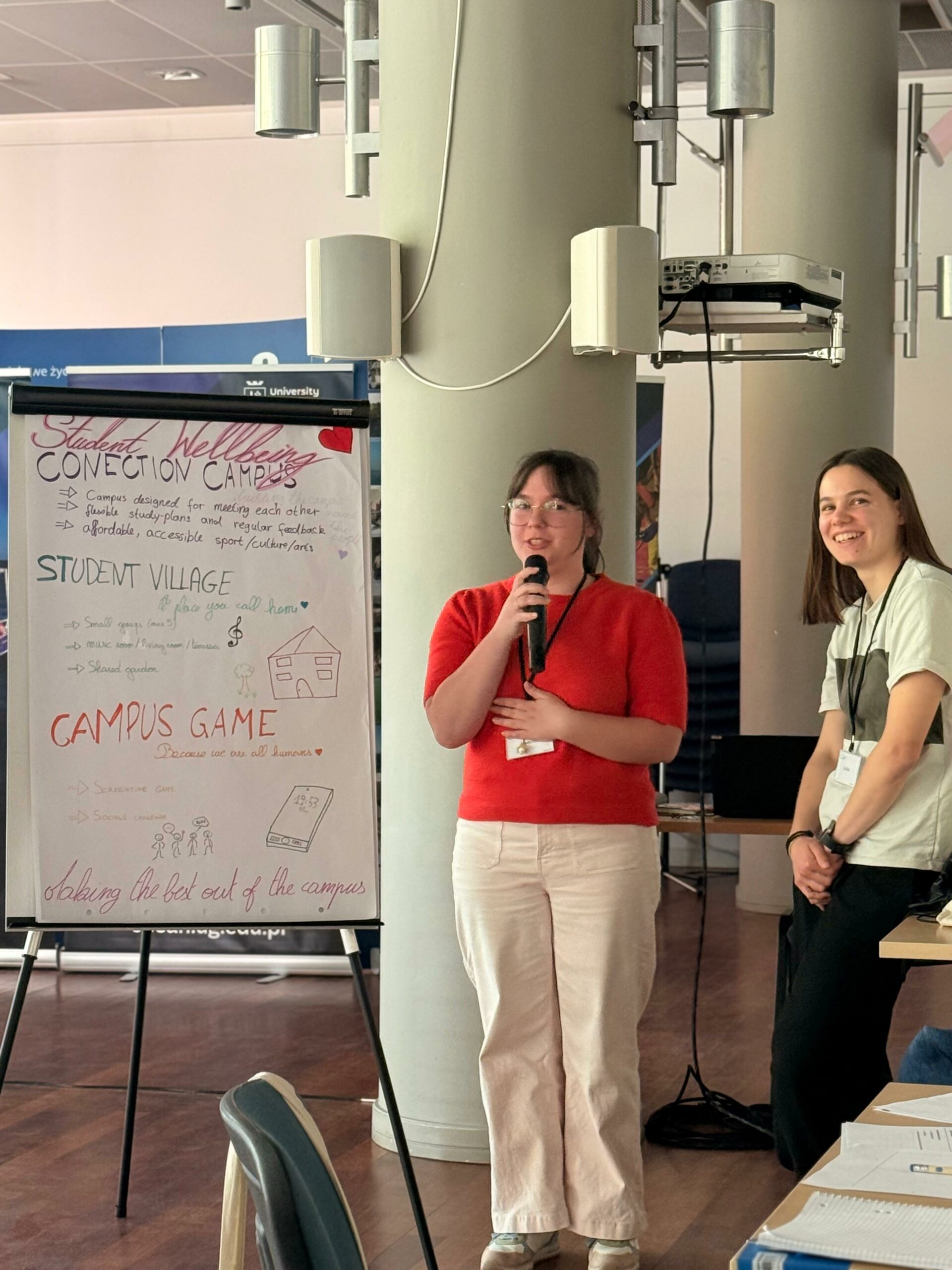
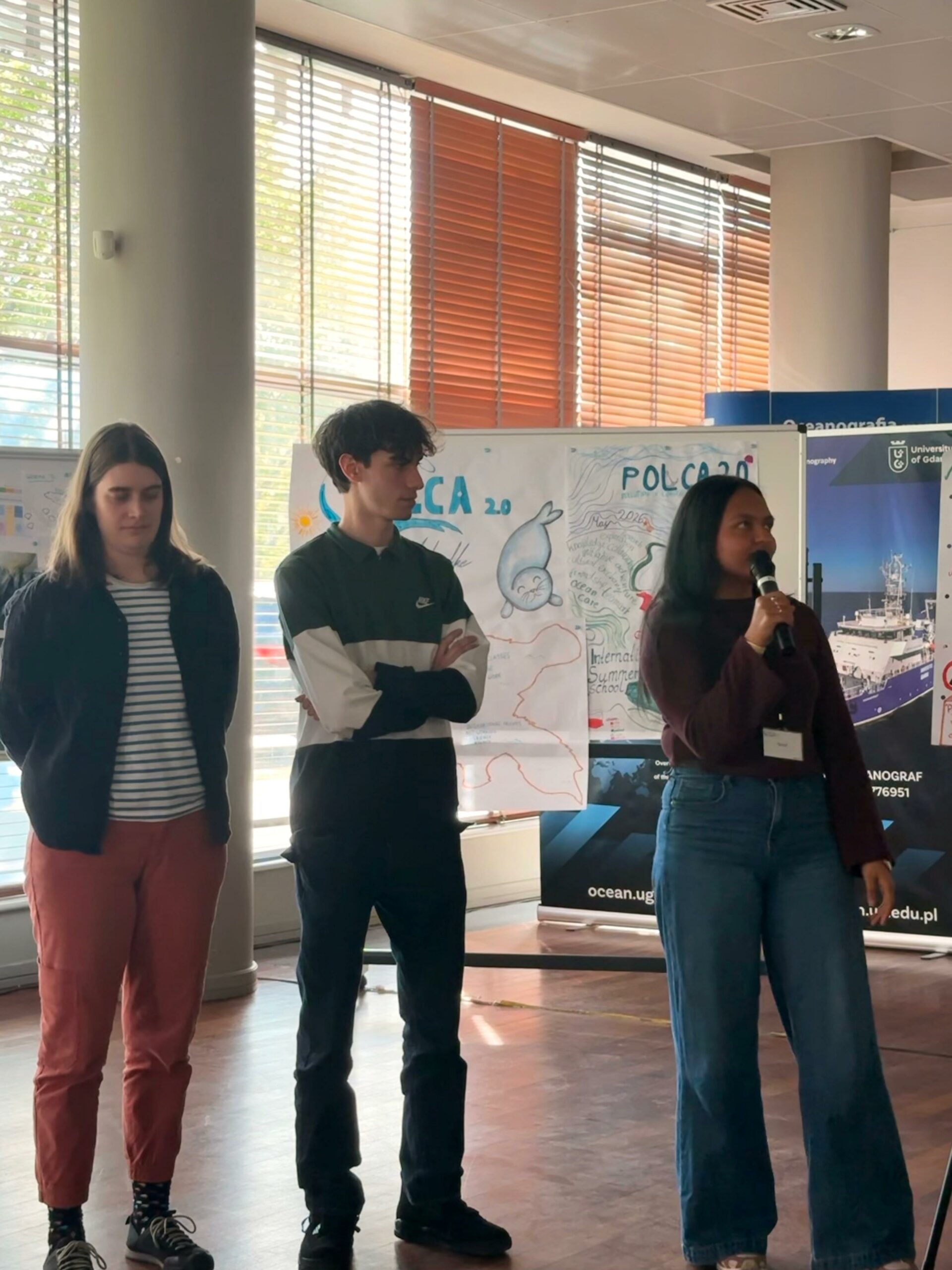
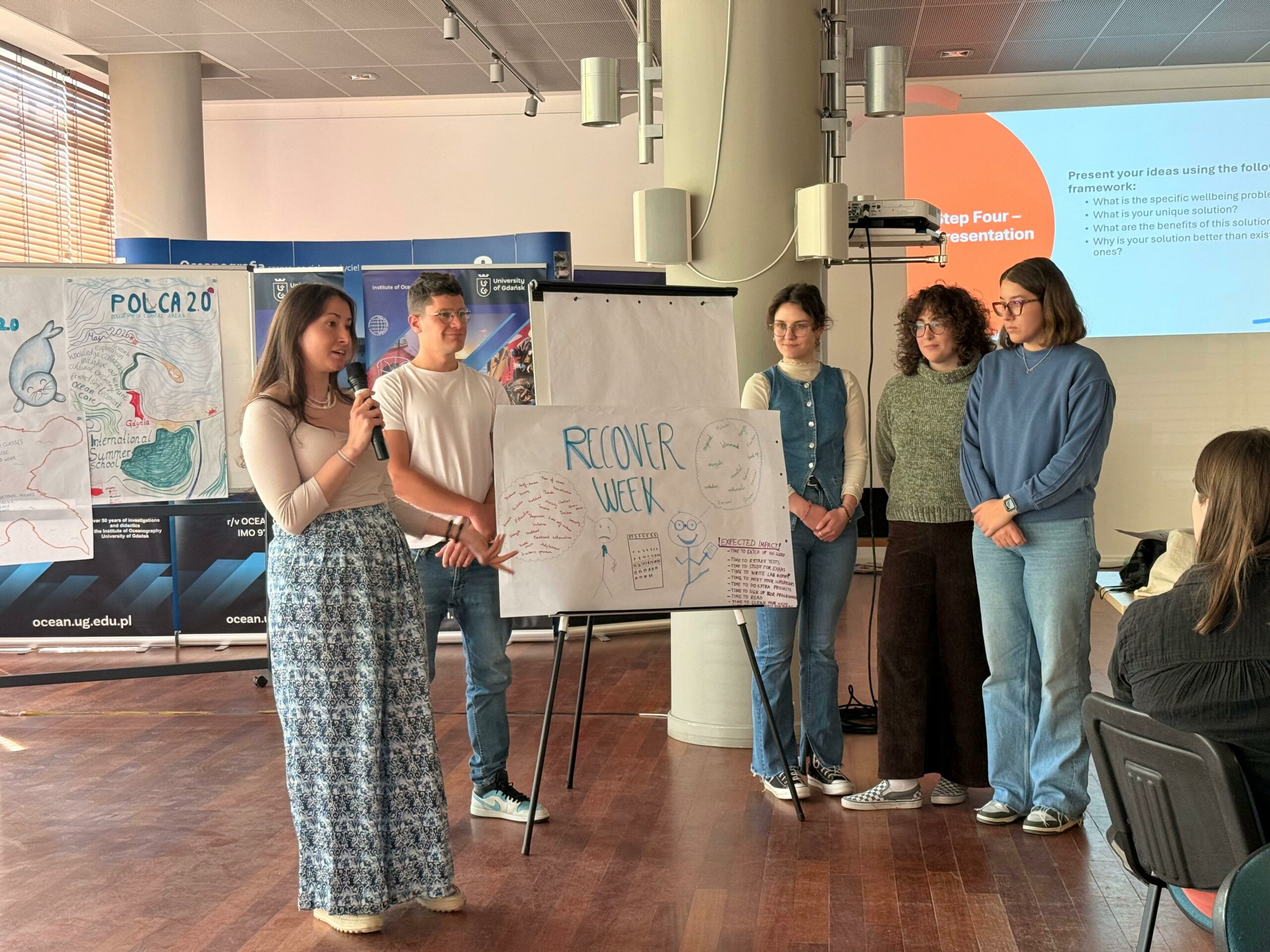
Participants worked in international groups on selected topics related to marine environmental protection, monitoring, and coastal pollution issues. It was a time for analysing collected data, preparing results, and creating final presentations summarising their work throughout the programme.
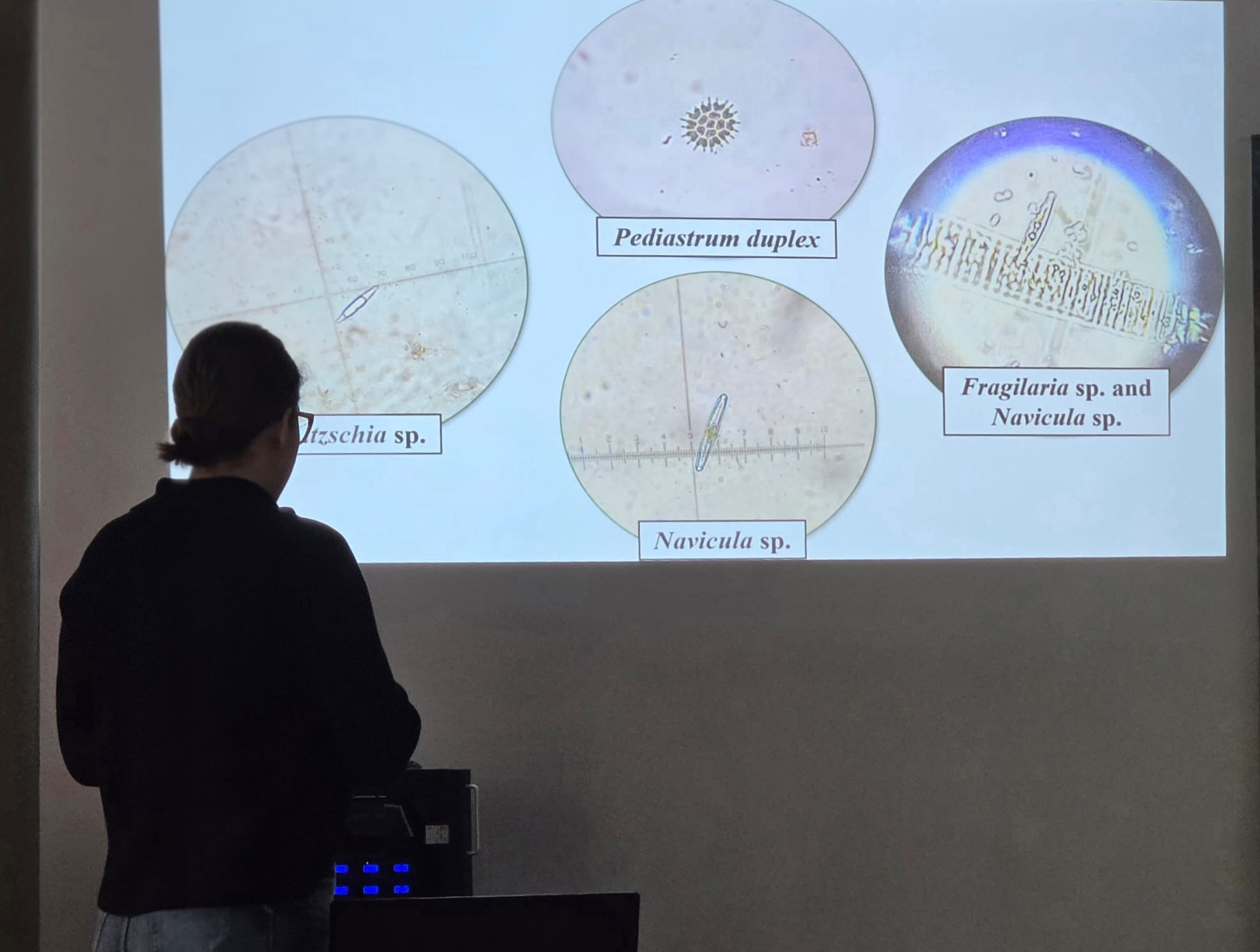
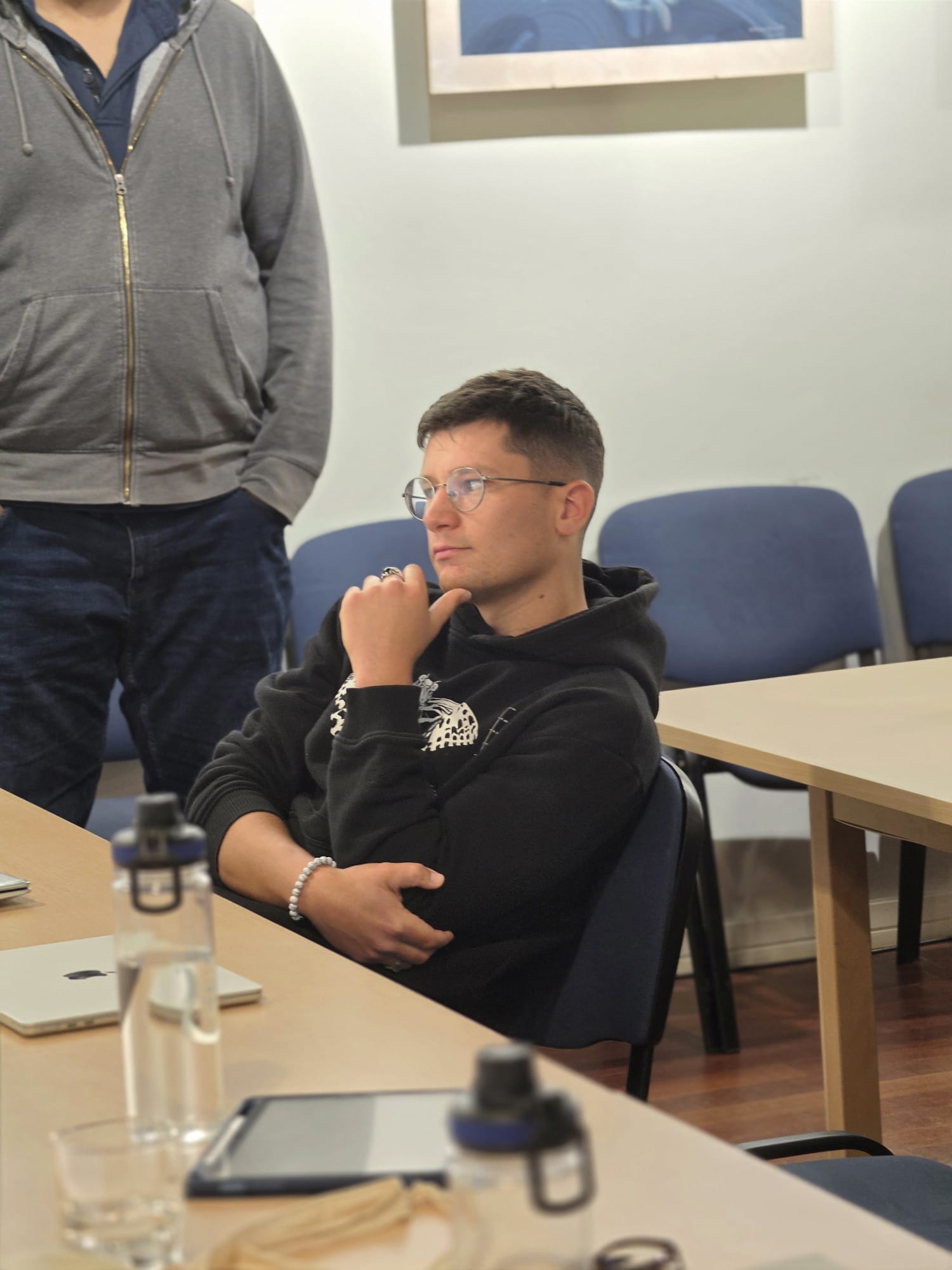
At the end of the programme, each group presented the outcomes of their projects to the other participants and the academic staff. The presentations highlighted not only the participants’ knowledge and commitment, but also excellent international cooperation, creativity, and teamwork skills.
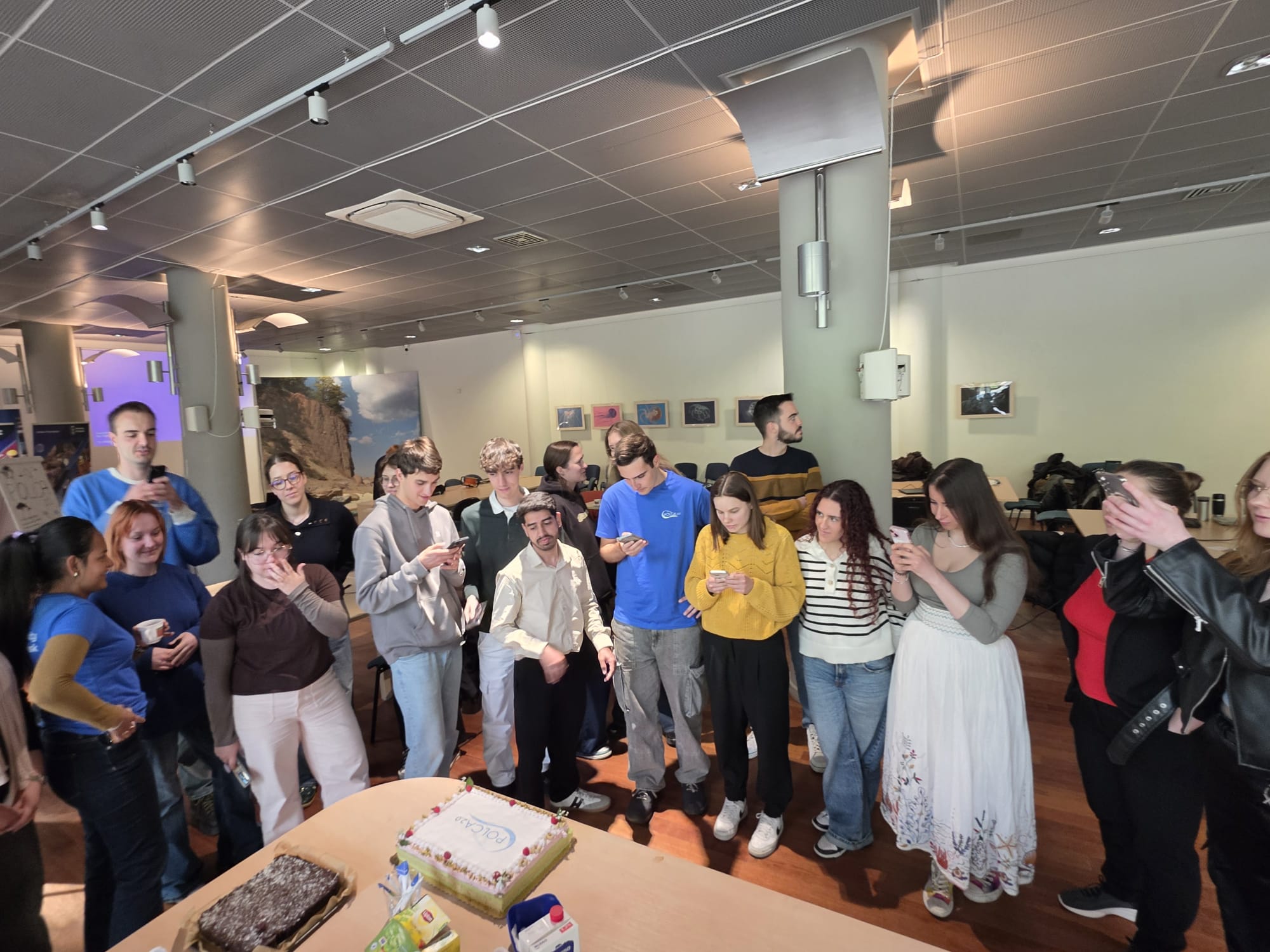
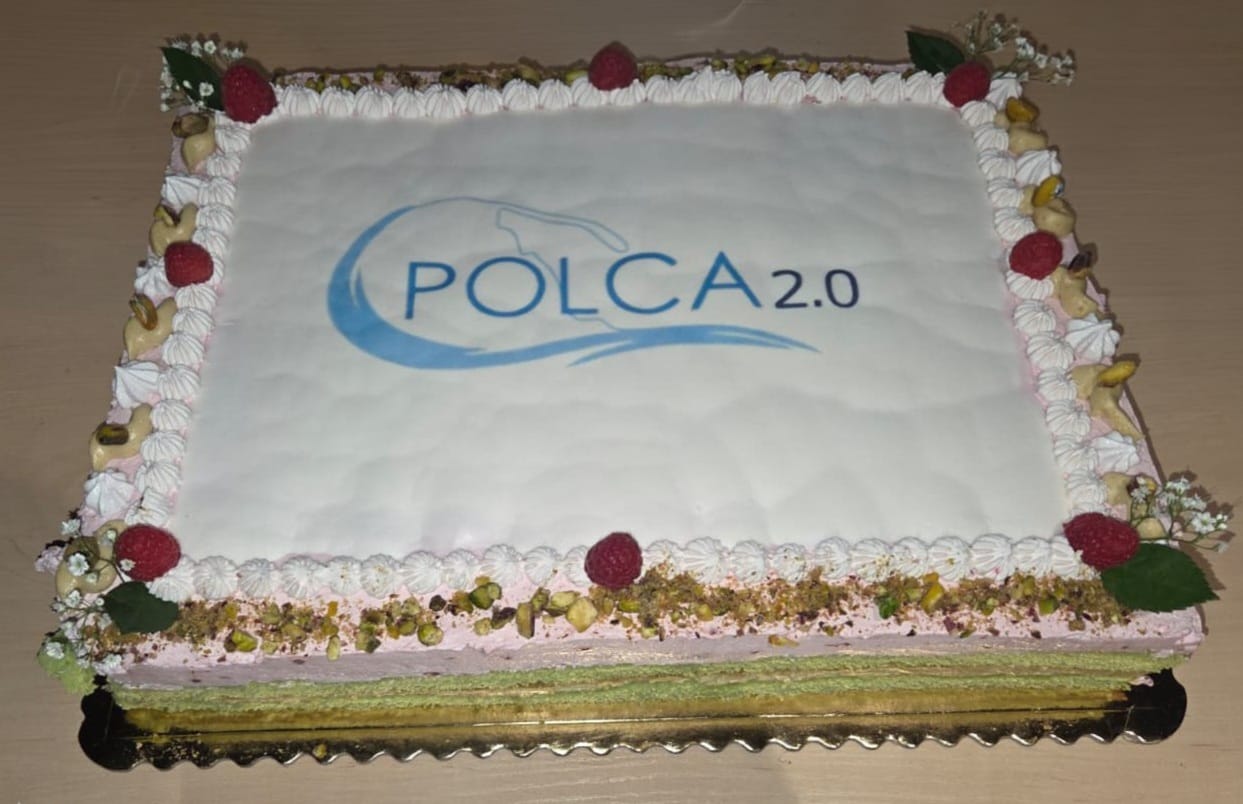
After the official part, it was time for a shared celebration, ending with a symbolic cake prepared for the finale of POLCA 2.0 🎂
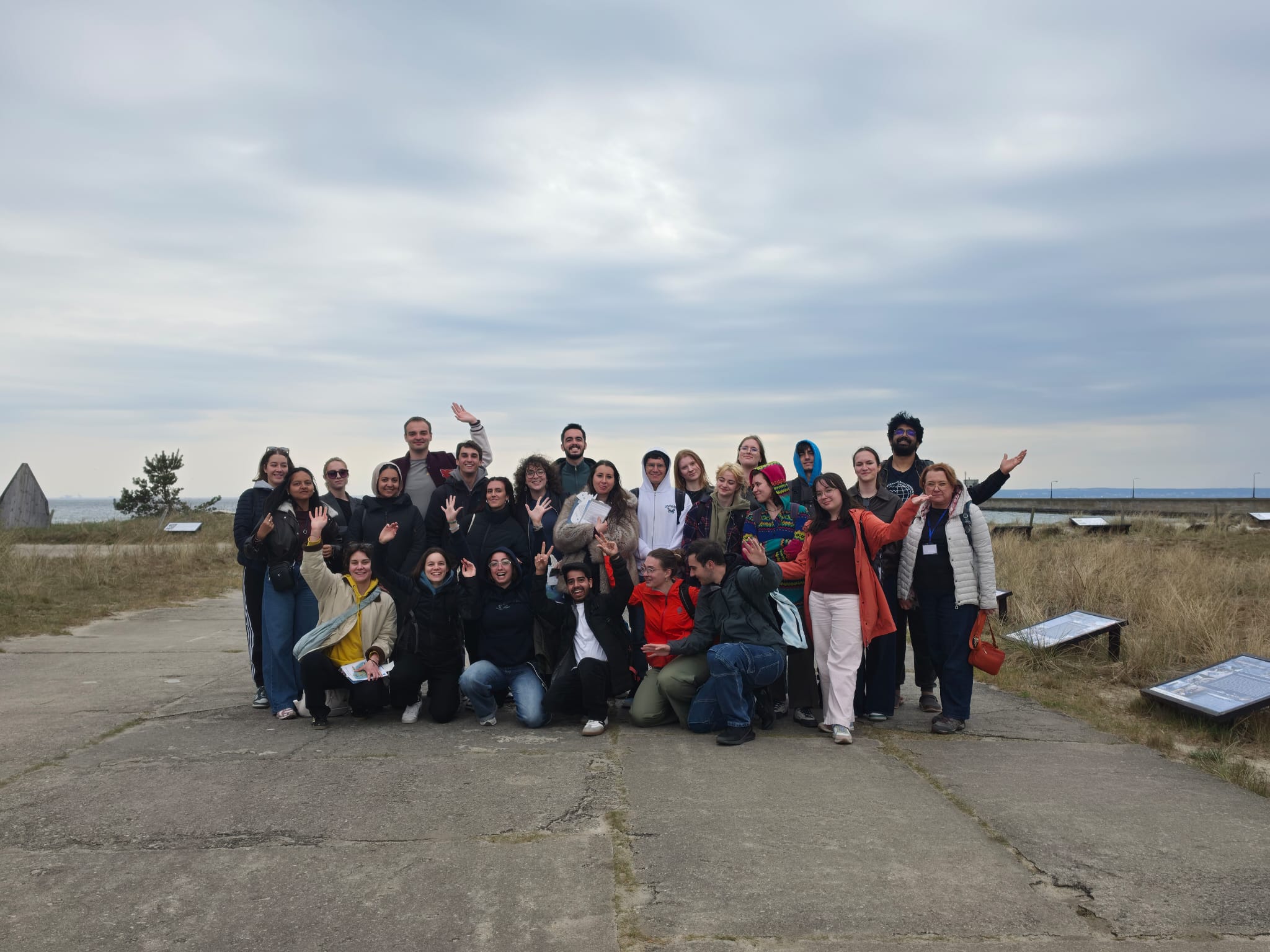
These were incredibly intensive 10 days – full of learning, new experiences, positive emotions, and amazing energy brought by the participants every single day. POLCA 2.0 became not only a space for gaining knowledge, but also a place where international friendships and connections were created. Thanks to this experience, we now have friends in different countries – people we can meet for coffee during future travels and remember this special time together.
We would like to express our sincere thanks to the entire academic staff and organisers for their hard work, support, and dedication in preparing and conducting the Summer School programme. Special thanks also go to all participants for their enthusiasm, openness, active involvement, and for creating such a wonderful atmosphere throughout POLCA 2.0.
Congratulations to all participants – we did it! 💙🌊